
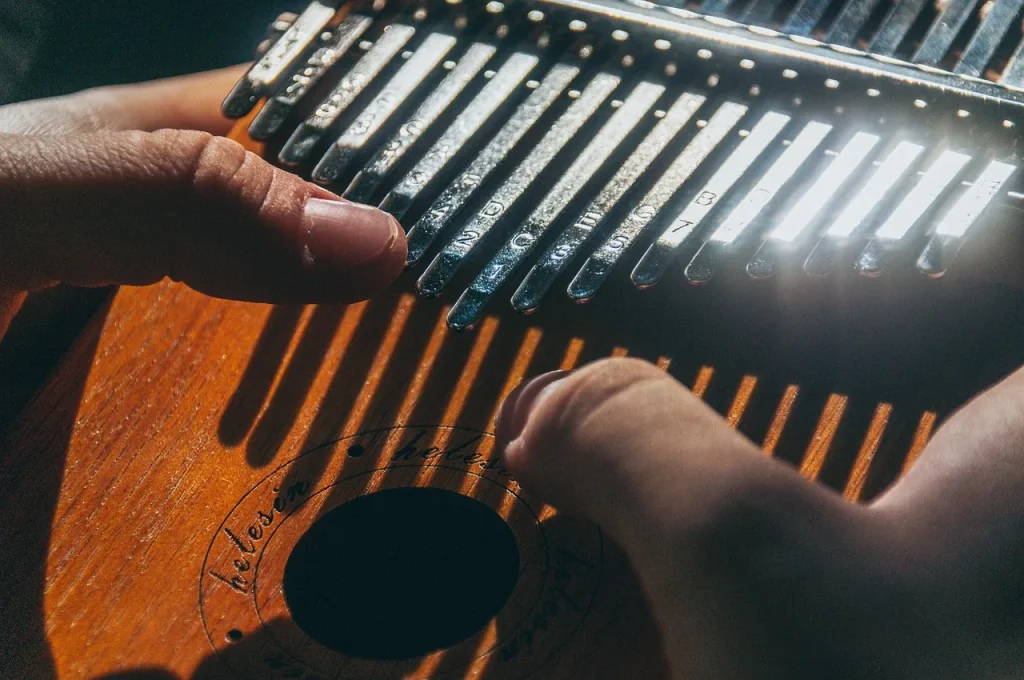
Playing the kalimba is a fun and rewarding musical experience. If you have an 8-tine kalimba and want to learn how to play it, this tutorial will guide you through the whole process. From basic techniques to creating melodies, you will find everything you need to start making beautiful music with your kalimba.
Before you start playing the kalimba, it is important to become familiar with the basics. This section will cover the essential techniques you need to know, such as how to hold the instrument, play each tine individually, and tune your kalimba. By mastering these fundamental skills, you will be ready to play your first melodies.
Once you have a good command of the basic techniques, it is time to start learning songs on your 8-tine kalimba. This section will introduce kalimba tablature, a visual representation of each note on the instrument. You will find popular songs adapted for the 8-tine kalimba, along with their corresponding tablature. By following the tablature and practicing regularly, you will be able to play your favorite songs on the kalimba.
As you gain experience with the kalimba, you may want to improve your playing technique and develop your musical skills. This section will give you tips to take your kalimba playing to the next level. You will learn how to play chords, add musical expression to your melodies, and adopt effective practice strategies. By putting these tips into practice, you can improve your kalimba playing and make your music more dynamic and captivating.
The 8-tine kalimba is an excellent instrument for beginners, but later on you may become interested in a kalimba with more tines. This section will discuss the benefits of moving up to a 17-tine kalimba, which offers a wider range of notes and a richer sound. You will discover how a more advanced kalimba can broaden your musical repertoire and challenge your playing skills. Whether you choose to stay with the 8-tine kalimba or move on to an instrument with more tines, the important thing is to enjoy the musical journey.
The kalimba has a rich history and is used in a variety of musical genres around the world. In this section, you will dive into the world of kalimba music, exploring different genres and styles that can be played on this instrument. You will also discover famous kalimba players and learn how to join the vibrant kalimba community. Whether you are interested in traditional African music, contemporary songs, or experimental sounds, there is a whole world of kalimba music to discover.
Playing the kalimba is a rewarding and enjoyable experience. Whether you are a beginner or an advanced player, the key to success is to enjoy the process and let yourself be carried along by this journey of learning and musical creation. With dedication, practice, and a real passion for the instrument, you will be able to create beautiful melodies on your 8-tine kalimba and beyond. So pick up your kalimba, start playing, and let the music guide you on this musical adventure.
Sommaire
The Basics of Playing the Kalimba
Before you start playing the kalimba, it is important to become familiar with the basics. This section will cover the essential techniques you need to know, such as how to hold the instrument, play each tine individually, and tune your kalimba. By mastering these fundamental skills, you will be ready to play your first melodies.
To begin, make sure you hold the kalimba correctly. Place it in your hands with the tines facing upward and the holes facing you. Use your thumbs to play the tines with a press-and-release motion. Try different hand positions and find the one that feels best in terms of comfort and ease of playing.
Once you are familiar with holding the kalimba, it is time to learn how to play each tine individually. Each tine on the kalimba produces a different note, so it is important to know where it is and how to play it. Start by gently pressing one tine at a time with your thumb and listen to the different sounds produced. Practice playing the tines one by one and try to become familiar with the different notes.
Another essential aspect of playing the kalimba is tuning. Since each tine is designed to produce a specific note, it is important to make sure your kalimba is properly tuned. You can use an electronic tuner or refer to online resources to guide you through the process. Correct tuning will ensure that your kalimba sounds good and will allow you to play harmonious melodies.
In short, the basics of playing the kalimba include holding the instrument correctly, being able to play each tine individually, and tuning your kalimba properly. By mastering these basic techniques, you will be able to create beautiful melodies on your kalimba. Remember to practice regularly and have fun throughout your learning process.
Tuning Your Kalimba
| Tine | Note |
|---|---|
| Tine 1 | C |
| Tine 2 | D |
| Tine 3 | E |
| Tine 4 | F |
| Tine 5 | G |
| Tine 6 | A |
| Tine 7 | B |
| Tine 8 | C |
It is fascinating to see how the kalimba, with its eight tines, can produce a range of melodic sounds. Take the time to learn the basics of playing the kalimba, and you will soon discover a new musical world to explore.
To learn more about the kalimba, see the Wikipedia page devoted to this instrument.
Learning Songs on the 8-Tine Kalimba
Once you have mastered the basic techniques, it is time to learn songs on your 8-tine kalimba. This section will introduce kalimba tablature, a visual representation of the notes to play on the instrument. You will find popular songs adapted for the 8-tine kalimba, along with their corresponding tablature. By following the tablature and practicing regularly, you will be able to play your favorite songs on the kalimba.
Kalimba tablature is a simple and effective way to learn melodies on the instrument. Each number or symbol represents a specific note, and you need to play the corresponding tine on your 8-tine kalimba. This lets you clearly see where to place your fingers and play chords and melodies accurately.
To help you get started, here are a few popular songs for 8-tine kalimba that you can learn:
- 1. “Can’t Help Falling in Love” – Elvis Presley
- 2. “Hallelujah” – Leonard Cohen
- 3. “Somewhere Over the Rainbow” – Judy Garland
- 4. “Imagine” – John Lennon
- 5. “Stand by Me” – Ben E. King
Here is the tablature for playing the melody of “Can’t Help Falling in Love” on your 8-tine kalimba:
| Number | Note |
|---|---|
| 1 | F |
| 2 | G |
| 3 | C |
| 4 | F |
| 5 | C |
| 6 | F |
| * | F |
| ♪ | D |
Feel free to explore other songs and tablatures adapted for the 8-tine kalimba. With practice and perseverance, you will be able to play increasingly complex melodies and have fun with your kalimba.
Image:
Tips for Improving Your Kalimba Playing
As you gain experience with the kalimba, you will want to improve your playing technique and develop your musical skills. This section will give you tips and tricks to take your kalimba playing to the next level. You will learn how to play chords, add musical expression to your melodies, and adopt effective practice strategies. By putting these tips into practice, you can improve your kalimba playing and make your music more dynamic and captivating.
Playing Chords on the Kalimba
One way to add depth and richness to your kalimba playing is to incorporate chords. Chords are several notes played at the same time, and they can create a harmonious, nuanced sound. To play chords on the kalimba, use several tines at once, usually with a thumb and a finger. Try different combinations of tines to find chords that match the music you are playing. Practicing chords will improve not only your musical arrangements but also your overall finger coordination.
Expressing Musicality with the Kalimba
The kalimba is a versatile instrument that allows for musical expression and interpretation. To add emotion and depth to your melodies, focus on variations in dynamics, meaning volume, in your playing. Gently plucking the tines creates a delicate and intimate sound, while striking them with a little more force produces a stronger and more expressive tone. Try different playing techniques, such as vibrato or slides, to further enrich your musical expression. Let your emotions guide your playing and allow the kalimba to become an extension of your sensitivity.
Effective Practice Tips for Kalimba Players
Regular practice is essential for improving your kalimba playing. Here are a few tips to make your practice sessions more effective:
- Set specific goals for each session, whether that means mastering a particular song or working on a specific technique.
- Break complex pieces or techniques into smaller, more manageable parts, then work on them separately before putting them together.
- Practice slowly and gradually increase the speed as you become more comfortable with the music.
- Record yourself playing, then listen back to identify areas for improvement.
- Experiment with different rhythms and timing placements to develop your sense of rhythm and groove.
- Take breaks and avoid overexerting yourself. Let your mind and body rest and recover.
By incorporating these tips into your practice routine, you will see significant progress in your kalimba playing over time.
Throughout your kalimba journey, keep in mind that practice and patience are essential. Enjoy the process of exploring the instrument, try different techniques, and discover your own musical style. Let the kalimba become a source of joy and self-expression as you dive deeper into the world of this enchanting instrument.
Moving Up to a Kalimba with More Tines
When you begin to master the 8-tine kalimba, you may consider moving up to a kalimba with a wider range. In this section, we will discuss the benefits of a 17-tine kalimba, which offers a wider range of notes and a richer sound. You will discover how a more advanced kalimba can broaden your musical repertoire and challenge your playing skills. Whether you choose to stay loyal to your 8-tine kalimba or move on to an instrument with a wider range, the essential thing is to enjoy the musical journey.
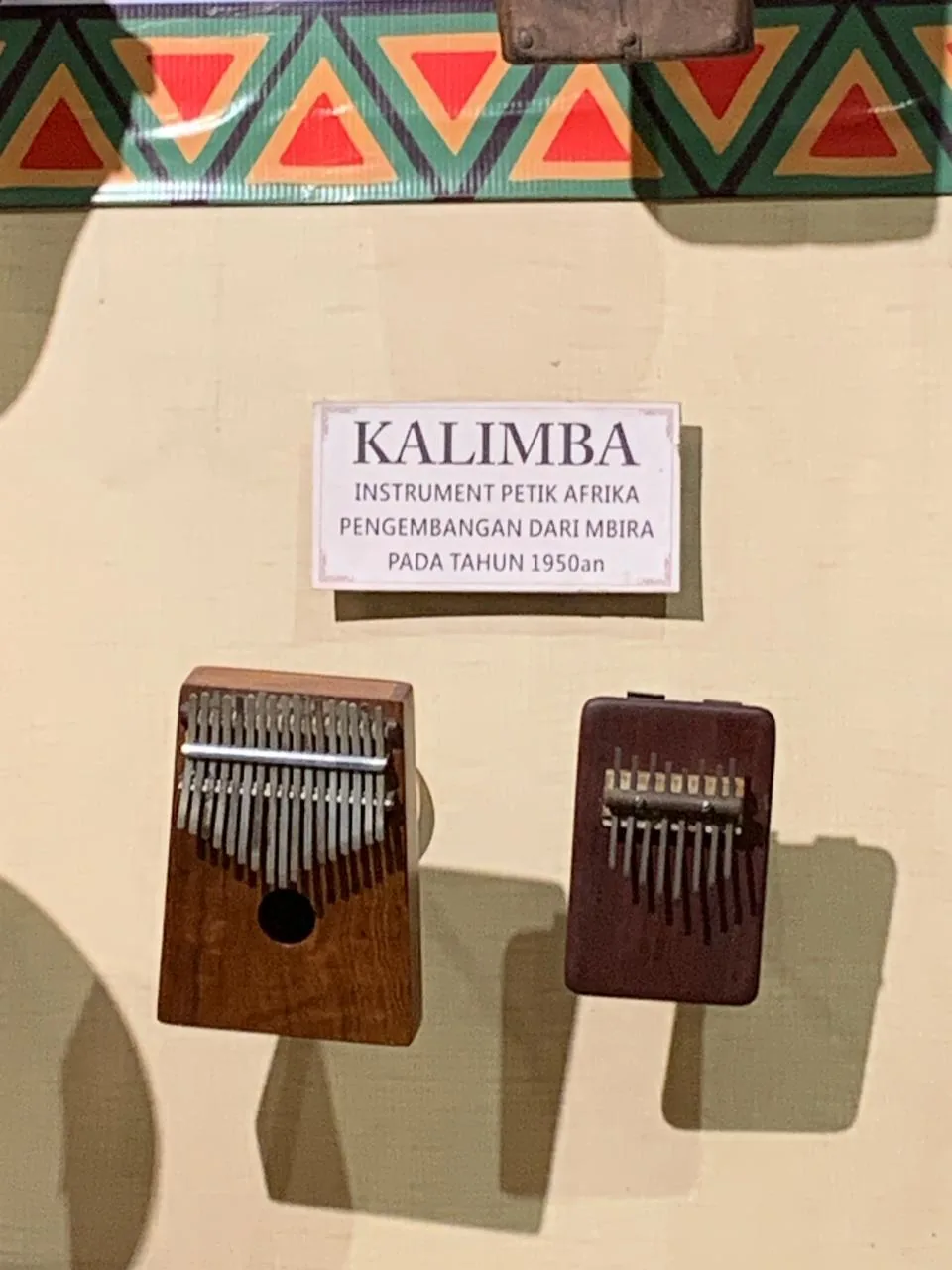
“Music is an open door to new experiences. When you move up to a kalimba with a wider range, you open yourself to new sonic and artistic possibilities.”
By choosing a 17-tine kalimba, you have a wider range of notes to express your musical creativity. The additional notes allow you to explore new melodies and broaden your repertoire. In addition, the sound of a kalimba with a wider range is richer and more complex, adding an extra dimension to your performances.
As an advanced player, you will also face new technical challenges. A 17-tine kalimba gives you the opportunity to experiment with more advanced playing techniques, such as chord playing and playing with complex harmonies. This will push the limits of your playing and develop your skill as a musician.
But remember: the main goal is above all to enjoy the learning process and the music, whatever the size and type of your kalimba.
Whether you choose to stay loyal to your 8-tine kalimba or move up to a 17-tine kalimba, have fun and let the music guide you on this wonderful musical adventure.
Exploring the World of Kalimba Music
The kalimba, with its mesmerizing sound and unique charm, has found its place in different musical genres around the world. In this section, we will dive into the varied world of kalimba music, exploring different genres and styles that can be played on this enchanting instrument.
One of the genres most closely associated with the kalimba is traditional African music. With its African roots, the kalimba has notable cultural importance and is often used to create rhythmic patterns and melodic textures characteristic of this genre. Its soft, bell-like tones add a soothing and authentic African color to the music.
However, the kalimba is not limited to traditional African music. It has also found a place in contemporary tracks, where it brings originality and versatility. Many artists and musicians incorporate the kalimba into their music, blending it with other instruments to create captivating melodies and harmonies.
The kalimba has also become popular in experimental music circles, where artists push the boundaries of sound and explore unconventional techniques. By making use of the kalimba’s experimental potential, musicians can create bold, avant-garde compositions that challenge traditional musical norms.
“The versatility of the kalimba allows musicians to approach a wide range of genres, from traditional African melodies to contemporary tracks and experimental sounds.” – Lisa Thomas, recognized kalimba player
The kalimba community is dynamic and active, made up of both passionate amateurs and professional musicians. It offers a space where kalimba lovers can share their experiences, exchange playing techniques, and discuss their favorite musical genres. Online forums, social media groups, and specialist websites allow kalimba players to connect and learn from one another.
Among famous kalimba players, certain names stand out for their virtuosity and sense of innovation. Artists such as Kevin Spears, Maneli Jamal, and April Yang have taken kalimba playing to new heights with their polished performances and unique musical interpretations. Their contributions to the kalimba community have inspired countless aspiring musicians to explore the limitless potential of this instrument.
The kalimba invites you to embark on a musical journey through genres and styles. Whether you are drawn to the captivating rhythms of traditional African music, the melodic beauty of contemporary tracks, or the experimental nature of avant-garde compositions, the kalimba promises a world of musical exploration and self-expression.

Join the global kalimba community and let the music of this enchanting instrument resonate within you.
Conclusion
Playing the kalimba is a rewarding and enjoyable experience. Whether you are a beginner or an advanced player, the key to success is to enjoy the process and commit yourself to this journey of learning and musical creation. Thanks to your dedication, practice, and passion for this instrument, you will be able to create beautiful melodies on your 8-tine kalimba and beyond. So pick up your kalimba, start playing, and let the music guide you through this musical adventure.
The kalimba is an instrument with a rich history, used in a variety of musical genres around the world. This musical experience offers an endless range of possibilities. By exploring the different genres and styles of music that can be played with the kalimba, you can grow and develop your own musical identity. In addition, joining the vibrant community of kalimba players will allow you to connect with other enthusiasts and share your experiences.
Whatever your level, remember to enjoy the learning process and the pleasure of playing the kalimba. Music is a wonderful journey, so do not hesitate to immerse yourself in this adventure. With every note you play, you will come closer to expressing your creativity through music. So take out your kalimba, let your passion guide you, and enjoy every moment of this musical journey.
For more information about the kalimba, you can see this link.
–>