
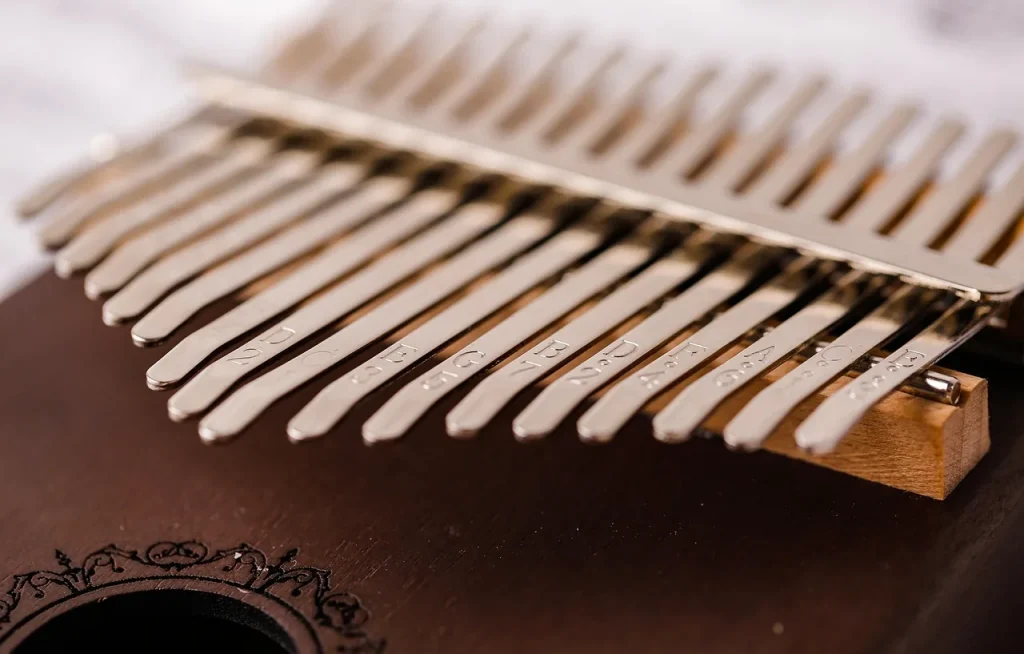
Tuning a kalimba is essential for preserving the instrument’s sound quality. There are different methods and tools for achieving accurate tuning. Using a tuner or a tuning fork, you can adjust each tine of the kalimba to obtain the desired note. It is important to tune it regularly to prevent notes from drifting and to be able to play specific scores or tablatures.
In this article, we will explain why you should tune your kalimba, when to do it, and which tools to use for optimal tuning. You will also learn the steps to follow to tune your kalimba with a tuner or a tuning fork. Whether you are a beginner or an experienced player, our advice will help you tune your kalimba easily and effectively.
Sommaire
Why tune your kalimba?
Tuning a kalimba is essential for producing accurate, harmonious notes. The vibrations produced by the metal tines correspond to specific frequencies, and poor tuning can create false notes. By tuning your kalimba regularly, you can guarantee optimal sound and play scores and tablatures accurately. Regular tuning also helps preserve the instrument’s sound quality and prevent deterioration over time.
When you play the kalimba, you naturally want to produce melodies that are pleasant to the ear. If your kalimba is not properly tuned, the notes will be wrong and the sound will not be harmonious. That is why it is essential to tune your kalimba regularly.
A major advantage of regular tuning is the ability to play scores and tablatures accurately. When your kalimba is perfectly tuned, you can follow the indications in the score and play the exact notes. This allows you to interpret pieces faithfully and convey the intended emotions.
Regular tuning also helps preserve your kalimba’s sound quality. If you do not tune it regularly, the metal tines can shift out of alignment and lose their accuracy. This can alter the sound, create false notes, and make the playing experience disappointing. By tuning your kalimba frequently, you preserve the instrument’s sound quality and ensure a satisfying musical experience.
Finally, regular tuning also prevents deterioration over time. By checking and adjusting the kalimba’s tines regularly, you prevent them from moving or wearing incorrectly. This extends the life of your instrument, allowing you to enjoy its tone fully for many years.
In conclusion, tuning a kalimba is essential for getting accurate notes, playing with precision, and preserving the instrument’s sound quality. By tuning your kalimba regularly, you ensure an optimal musical experience and extend the life of your instrument.
If you would like to learn more about how to tune a kalimba, you can read this article on the instruments-du-monde.com blog.
When should you tune your kalimba?
It is recommended that you tune your kalimba regularly to keep it in tune. How often you need to tune it depends on how you use the instrument and the material it is made from. In general, it is advisable to check the tuning every month to every three months.
Tune after an impact or if the kalimba is dropped
It is also important to tune your kalimba after an impact or a fall to make sure the metal tines have not shifted.
When to tune a kalimba
Finally, if you want to play specific tablatures or scores, you may need to adjust certain notes to obtain the desired key.
Which tools should you use to tune a kalimba?
To tune a kalimba, you will need a few different tools. A tuner is the most reliable and accurate way to achieve optimal tuning. There are electronic tuners designed specifically for the kalimba, as well as smartphone apps that can also be used. A tuning hammer is also needed to adjust the kalimba tines by sliding them up or down. Make sure you use a tuning hammer made for the kalimba so you do not damage the instrument.
To learn more about the different methods and tools for tuning a kalimba, read our detailed article on how to tune a kalimba.
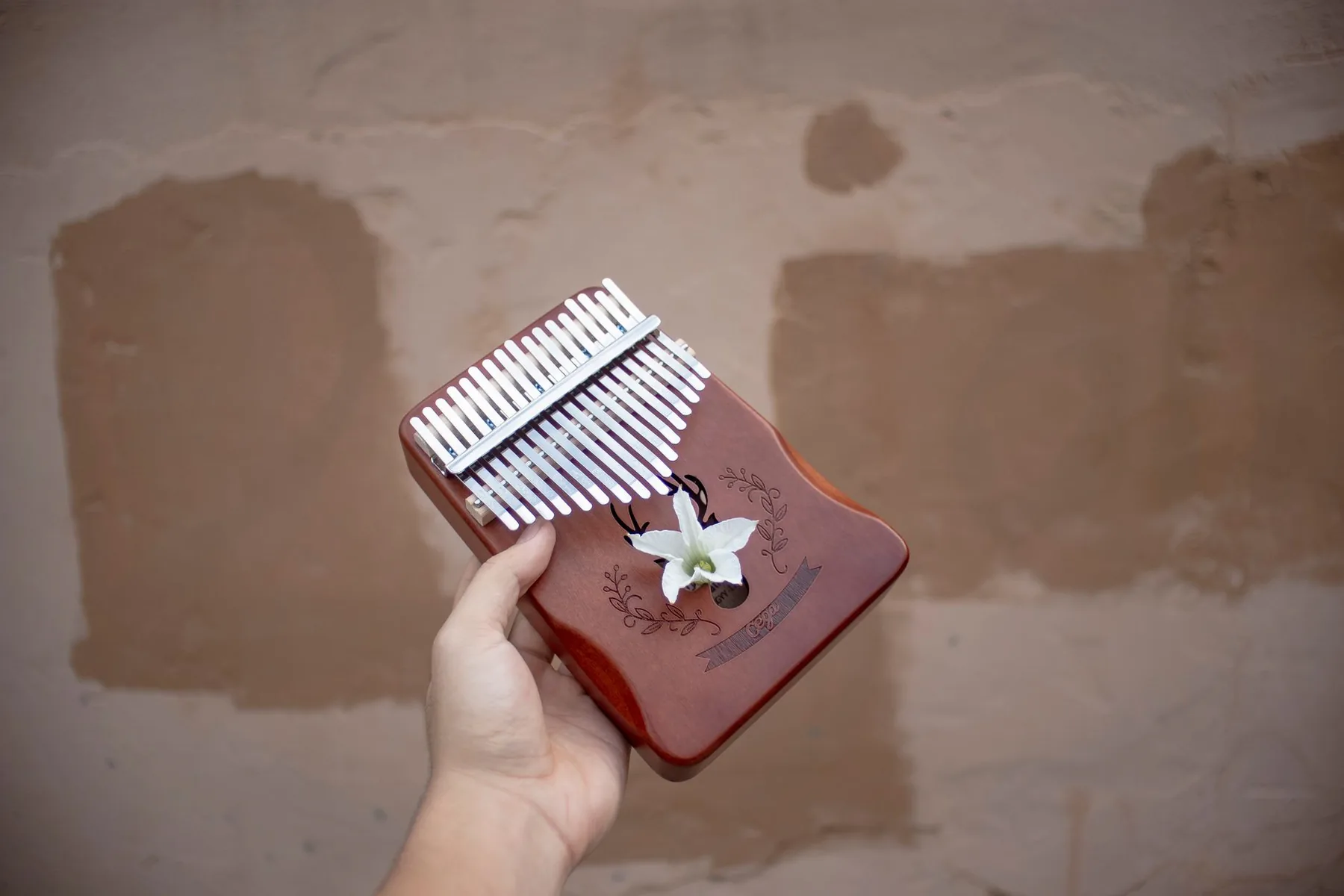
How do you tune a kalimba with a tuner?
To tune your kalimba with a tuner, follow these simple steps:
- Open the app on your smartphone or turn on your electronic tuner.
- Place the sensor near your kalimba so it can pick up the sound vibrations.
- Play each note of the kalimba while following the tuner’s indications.
- If a note is too high or too low, use the tuning hammer to adjust the corresponding tine.
- Continue tuning each tine until you achieve perfect accuracy.
It is recommended that you repeat this process regularly to keep your kalimba accurately tuned.
With a tuner, you can tune your kalimba precisely and produce accurate, harmonious notes. Follow the indications provided by the tuner to adjust each tine and reach the desired pitch. Using a tuner makes kalimba tuning easier and more precise, even for beginners.
How do you tune a kalimba with a tuning fork?
To tune your kalimba with a tuning fork, you can follow a simple and effective step-by-step method. Here is how to proceed:
-
Start by striking the tuning fork to produce a steady vibration.
-
Hold the tuning fork close to your kalimba.
-
Play each note on the kalimba while adjusting the corresponding tine.
-
Listen carefully and adjust the tine until it resonates harmoniously with the tuning fork’s reference note.

This method requires a precise musical ear to detect differences in pitch. By practicing and becoming familiar with the tuning fork’s vibrations, you will be able to tune your kalimba accurately.
It is important to note that tuning with a tuning fork can be a little more difficult than tuning with a tuner because it requires greater listening precision. However, with practice, you will be able to tune your kalimba reliably with a tuning fork and obtain accurate, harmonious notes.
Conclusion
Tuning a kalimba is an essential step for guaranteeing the sound quality of this instrument and playing accurately. Whether you use a tuner or a tuning fork, these tools allow you to adjust each kalimba tine to the desired note. It is recommended that you tune your kalimba regularly to avoid tuning drift and to play specific scores accurately.
The tuning hammer is an important accessory for adjusting the tines by sliding them up or down. Depending on your preferences and comfort, you can choose between an electronic tuner, a tuning fork, or a smartphone app.
With regular tuning, you will be able to enjoy your kalimba fully and play beautiful melodies. Tune your instrument precisely to enjoy its unique tone and create a harmonious atmosphere with every note.