
This article offers a clear guide to tracing the beginnings and spread of this recent instrument.
We will explain who created it, Dennis Havlena in 2007, and how wooden ancestors gave way to metal, the Hang, and close prototypes such as the Tambiro.
In one sentence, the object is intriguing because of its compact shape, gentle sounds, and ease of play. This appeal explains its popularity for relaxation and meditation.
The guide answers the major questions: who, when, from what, and why this name. It covers history, acoustics, manufacturing, tuning, scales, and playing techniques.
Finally, a focus on France will clarify the most common terminology and the use of English names, such as the term “steel tongue drum,” to better place this instrument among musical instruments.
Sommaire
Understanding the tongue drum: a musical instrument between percussion, melody, and vibrations
This modern instrument blends rhythmic strikes with singing notes, creating an immediately musical result.
What this instrument looks like and why its sounds are so appealing
The body is often metallic and round, with visible cutouts called tongues. Each cutout forms a tuned note.
The attacks are soft, and the sustain resonates for a long time, creating an enveloping feeling even without musical knowledge.
Tongues, tabs, and reeds: what the “tongue” really means
The “tongue” is not human: it is a vibrating strip of metal. It is struck with the fingers or mallets to activate the vibration.
The transmission of vibrations into the body contributes to the relaxing effect sought in meditation and sound therapy.
Terminological nuances in France
English terms are often used; musical instrument is a good starting point for learning more about the variations.
| Type | Material | Sound |
|---|---|---|
| Tongue (standard) | Steel/alloys | Clear, resonant |
| Steel tongue | Emphasized steel | Brighter, more projecting |
| Log/wood | Wood | Warm, with less sustain |
Ancestral origins: the slit drum, the historical root of the concept
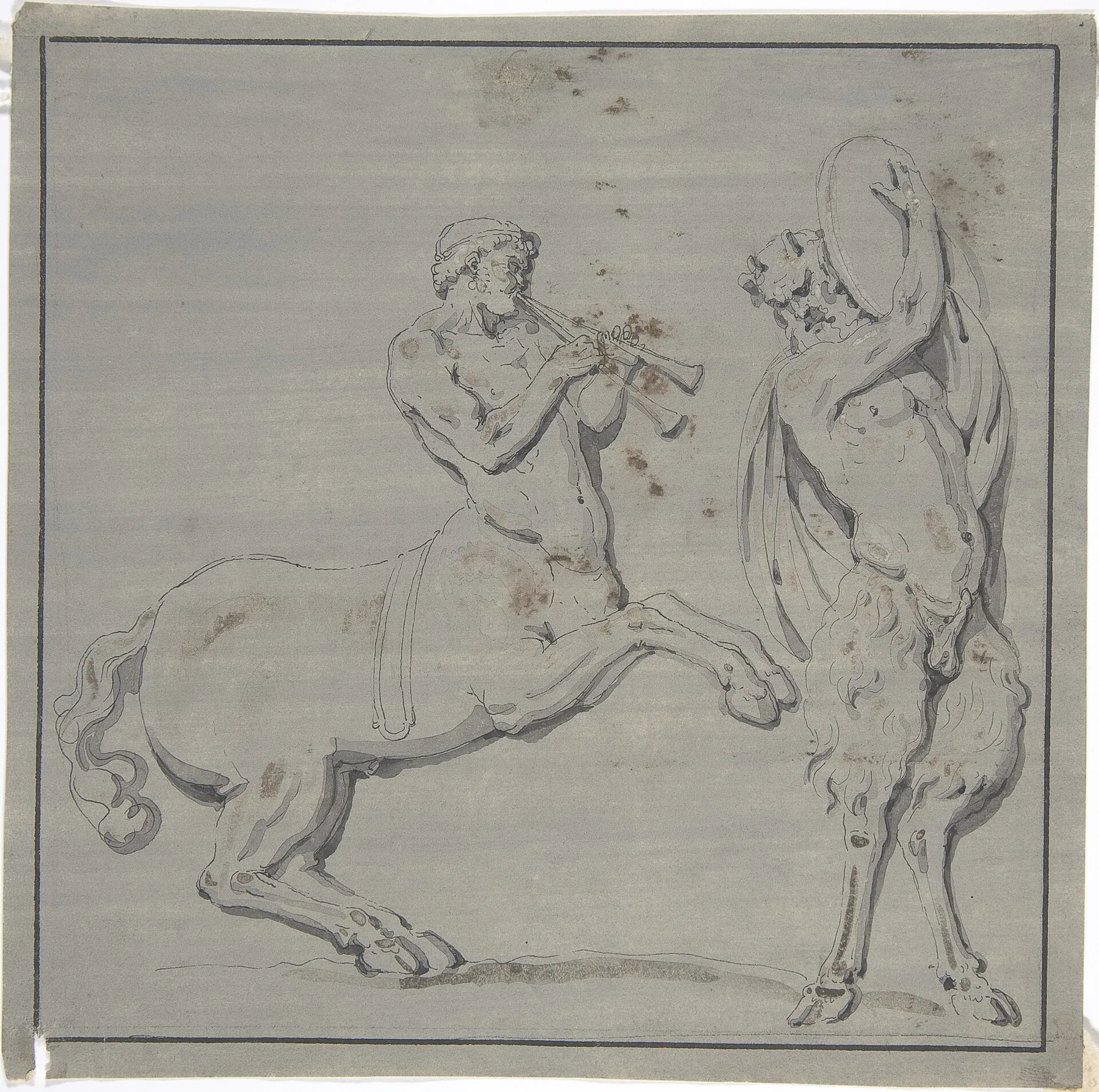
All around the world, the use of slits made it possible to draw distinct notes from a single resonant body.
Central idea: striking areas separated by slits to produce several pitches. Before metal arrived, craftspeople and musicians carved wood, stone, or gourds to obtain a palette of sounds.
The acoustic principle
Pitch depends on the length and shape of the vibrating part. The shorter the blade, the higher the note. The cut also defines the timbre and sustain.
Traces around the world
Examples are documented in Africa, the Philippines, Polynesia, and Mexico. The idea has no single origin: it appears across varied cultures.
Focus: the Aztec teponaztli
“The teponaztli, at least 500 years old, was used for rites as much as for everyday music.”
This pre-Columbian instrument illustrates its conceptual kinship with current models: several slits, several notes obtained by percussion.
From log drum to modern wood drums
Modern log drums take up the wooden idea and multiply the tongues. They offer more notes and a broader musical palette while remaining percussive.
| Region | Material | Characteristic |
|---|---|---|
| Africa | Wood | Rhythmic and melodic pattern |
| Philippines | Wood/gourd | Ceremonial use |
| Mexico (teponaztli) | Wood/gourd | Rituals and distinct melodies |
This “slit -> tongue -> note” foundation naturally prepares the transition to metal and modern experiments, as described in the history of wooden log drums.
When metal enters the picture: from slit drum to Whale Drum
The move from wood to metal opened a new sonic era, one that was more powerful and durable.
Jim Doble and experiments with cylinders (1990)
In 1990, Jim Doble cut large cylinders to create the “Whale Drum.” He used the gas cylinder as a resonating chamber and made direct incisions.
This idea is based on using an available metal volume: the large cylinder becomes a vibrating surface suited to simple strikes.
Why the sounds are so deep
The mass and air volume contained in the cylinder increase sustain. The large body produces deep, broad sounds, almost “whale-like.”
Approximate tuning versus adjusted notes
The Whale Drum offers notes, but they often remain approximate. It does not have the precisely tuned scale of modern models.
Initial uses and transition
Often freely accessible, this instrument can be played by everyone, especially children. It encourages spontaneous sound discovery.
The Whale Drum proves that metal can be musical; however, it lacks the tuning standardization that would lead to today’s instruments.
| Year | Creator | Material | Characteristic |
|---|---|---|---|
| 1990 | Jim Doble | Large cylinder (bottle) | Deep sounds, long sustain, approximate tuning |
| Following years | Experimental craftspeople | Sheet metal/alloys | Acoustic tests, varied shapes |
| Transition | Modern makers | Thin steel | Standardization and genuinely tuned notes |
The handpan and the Hang: the inspiration that triggered a new generation of instruments
At the end of the 1990s, a new form caught the attention of musicians and the wider public.
Historical landmarks
The creation came from Switzerland: Felix Rohner and Sabina Schärer (PANArt) developed the Hang in 1999. Commercialization began in 2001.
Manufacturing difference
The handpan is made from two welded shells, then hammered to create tuned areas. It is often played by hand to exploit its dynamics and subtlety.
The essential difference from tongue models comes from the process: tongue drums use cutouts to obtain each note.
Why confusion is common
The same “saucer” shape and soothing sounds mean these instruments are often confused.
The cultural success of the Hang acted as a trigger: its creation inspired craftspeople to look for more accessible alternatives. Differences in price and manufacturing explain why some instruments may be preferred by beginners or studios.
To learn more and explore these links between instrument families, see this historical overview.
Fellé Vega’s Tambiro: the prototype closest to the tongue drum
The Tambiro, created by Fellé Vega in 2005, illustrates a key step between cylinder experiments and the standardized instrument we know today.
Simple design: a small gas cylinder receives notches of various sizes. Each notch vibrates at a different frequency and produces a distinct note.
Obvious advantage: the compactness and the “several notes on one single tank” logic are already very close to the final concept.
- Fellé Vega: percussionist and inventor, originally from the Dominican Republic.
- Year: 2005, an artisanal and experimental approach.
- Design: calibrated notches to vary pitch.
Despite this closeness, distribution remained limited. Plausible reasons include artisanal production, restricted distribution, an emerging market, and the lack of a maker network.
Historical role: the Tambiro acts as an intellectual bridge. The idea was there, but optimized ergonomics and broad distribution of plans were still missing before standardization was launched a few years later by other figures.
To understand how this chain of innovations led to more accessible models, you can consult resources on the steel tongue drum.
Origin of the tongue drum: history and evolution of the instrument
Faced with the rarity of handpans, a solution emerged to make musical practice more accessible. In 2007, Dennis Havlena designed an object that was simple to build and pleasant to play.
Context and anecdote
Havlena explains that a handpan seen on eBay exceeded EUR 10,000. That price motivated his approach: to offer a less expensive alternative.
Innovation in shape
Rather than cutting into the side, he placed the cutouts under the gas cylinder. This choice improved ergonomics and range of movement.
Musical organization
His first model offered eight notes, designed to be accessible. They covered two octaves and provided enough range for improvisation.
Technical adjustments
Havlena used neodymium magnets to fine-tune the instrument. Adding or removing a magnet makes it possible to raise or lower certain notes without retempering.
Result: a coherent, tuned, reproducible instrument. This creation laid the foundation for a model that could be produced more widely.
Why the instrument is called a “tongue drum” and which names circulate
The name comes from an obvious image: the vibrating cutouts look like small tongues. This visual observation made the name intuitive for early players and sellers.
The shapes vary widely: long, round, square, or hexagonal cutouts can be found. When the cut no longer looks like a tongue, the principle remains identical: a tuned area vibrates to produce a note.
A naming path shaped by the community
Originally, Dennis Havlena mentioned the idea of “tank drum” in reference to the tank used. On forums, a user named “Cheapbastid” suggested “hank drum” (a contraction of Hang + tank), and the term spread quickly.
Marketing names and use in France
Commercial names can also be found: vibe drum, zen drum, chakra drum, or tongue drum. These labels aim for an atmosphere rather than a technical description.
In France, the English term “tongue drum” is still often preferred in listings. To make sense of it, always check the principle: tuned tongues and the material (steel or wood) are what truly define the instrument.
From craft to democratization: shared plans, no patent, and the rise of brands
Putting free plans online transformed an artisanal creation into a collective movement. Accessible diagrams enabled DIY makers, then small companies, to reproduce the concept quickly.
The open-source spirit that accelerated adoption
Without filing a patent, the inventor chose to share. This gesture lowered entry barriers. Hobbyists built models and published their feedback. Forums and websites played a key role.
Toward more professional production
Demand pushed brands to professionalize manufacturing. Instruments are now available with more notes, clean cutouts, and careful finishes.
| Stage | Materials | Characteristic |
|---|---|---|
| Artisanal | Recycled tanks | Reuse, simple prototypes |
| Semi-professional | Dedicated sheet metal | Improved tuning, different sizes |
| Light industrial | Molded shells | Finishes, varied scales, stability |
Consequence: the market became segmented for beginners, wellness, and musicians. The next section addresses technical evolution: materials, sizes, and scales.
To discover contemporary models, see this guide to the steel tongue drum.
Technical evolution of the modern tongue drum: materials, shapes, sizes, scales, and models
Choices of metal, shape, and dimensions explain why some sounds are clear while others remain warm.
Steel and alloys influence timbre, sustain, and projection. Carbon steel offers clean attacks and good sustain, while softer alloys produce a rounder result.
Cutouts and sound perception
Traditional cutouts, known as tongues, remain the most common. Square, round, or hexagonal cuts also exist.
The shape changes the look and sometimes the tactile response, but the sonic impact depends above all on metal thickness and adjustment.
Sizes and depth
Small sizes favor percussive playing and clarity. They suit children and portable sessions.
Larger versions offer more sustain and a more enveloping bass. Different sizes therefore answer different uses.
Notes, scales, and musicality
Instruments often offer between 6 and 14 notes, which changes melodic capacity and harmony.
Pentatonic scales are easy (with little risk of wrong notes), diatonic scales make songs easier, and chromatic playing requires more technique.
Advanced models and uses
Since 2018, some advanced models have included several scales, a microphone, and a jack output for recording and stage use.
In practice, choose the material, size, and number of notes according to the use: meditation, musical awakening, or performance.
How the tongue drum is played and why it supports relaxation and meditation
Playing this instrument opens an intimate sound space, conducive to concentration and calm.
Finger playing versus mallet playing
Finger playing offers more nuance. The hand controls the intensity and color of the notes. Fine, expressive melodies can be obtained.
Mallets provide more volume and regularity. They are useful in groups or sound baths. The choice depends on the desired control.
Techniques: glissando and effects
Glissando is performed by following a series of cutouts, sliding the hand, or alternating mallets. This technique enriches the musical texture.
Varying attack and dynamics creates sound layers. Alternate hand and mallets to play with contrasts.
Vibrations, body, and stress reduction
The vibrations are felt in the body and reinforce grounding. Gentle repetition and a slow tempo reduce stress.
Effect: focused attention, slower breathing, better concentration.
Modern applications
This instrument is often used in guided meditation, yoga, and sound therapy. It is accessible to beginners: as a melodic percussion instrument, it is useful well beyond musicians alone.
| Approach | Advantage | Use |
|---|---|---|
| Fingers (hand) | Nuance, control | Meditation, solo, gentle practice |
| Mallets | Volume, regularity | Sound baths, stage, workshops |
| Combination | Varied textures | Sound therapy, melodic creations |
To explore techniques further and choose a suitable model, see this tongue drum guide.
Conclusion
This brief overview shows the gradual genesis: from traditional slits to tank experiments, then to prototypes such as the Tambiro, before standardization appeared at the beginning of the twenty-first century.
Key answer: the modern invention dates from 2007 with Dennis Havlena. His work made this instrument easier to build and tune, inspired by the handpan.
Essential differences: tuned cutouts versus hammered shells, and above all the presence of reliable tuning that turns the object into a true musical tool.
After this article, try a suitable scale, compare finger and mallet playing, then define a use: meditation, free playing, or stage performance.
Accessible to beginners and rewarding over time, it can support not only musical expression but also relaxation. To see an example based on the original model, see Dennis Havlena’s model.