
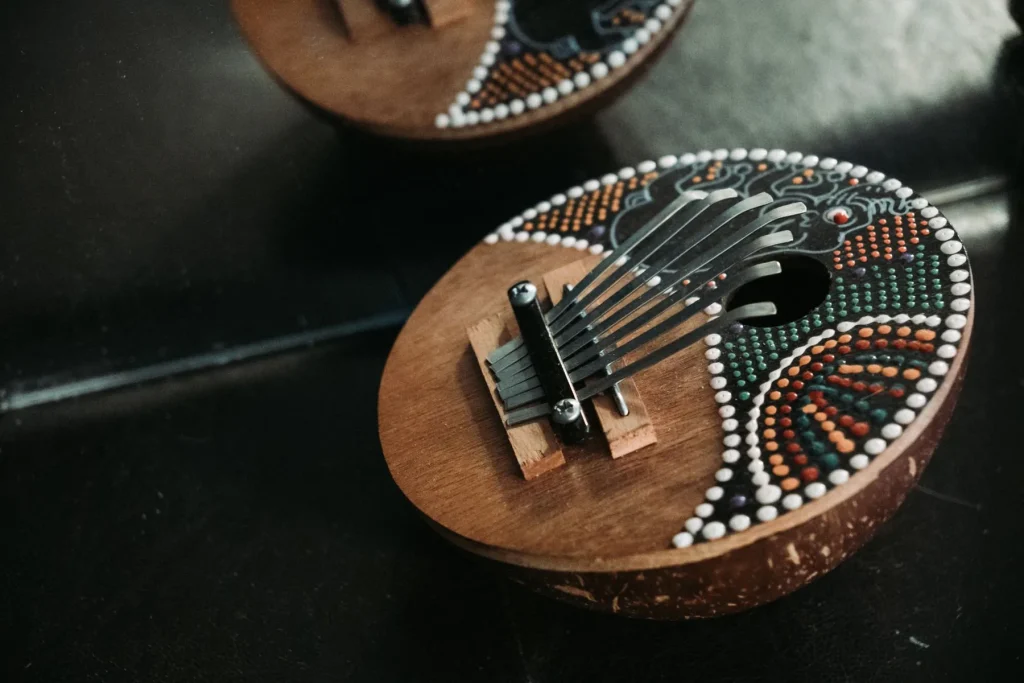
The Kalimba is a musical instrument in the idiophone family and, more specifically, in the lamellophone family. It is a percussion instrument that produces sounds through the vibrations of metal tines fixed to its body. It is widely recognized as a percussion musical instrument.
The origin and evolution of the Kalimba are fascinating. This musical instrument was invented by Hugh Tracey in the 1950s from the Mbira, a traditional African instrument that is 3,000 years old. The Mbira comes from sub-Saharan Africa, more specifically from the west coast. The Kalimba is a Westernized version of the Mbira and consists of steel tines arranged in a single row. Over time, the Kalimba has evolved, and models with different tine layouts can now be found.
The composition of the Kalimba is fairly simple. It consists of a soundboard, bridges, a pressure bar and steel tines. The soundboard is used to fix the tines in place and transmit the vibrations. The bridges support the tines, while the pressure bar holds them in position. The steel tines are essential because they produce the musical notes when the player plucks them with their thumbs.
The Kalimba is a musical instrument with great cultural richness in various African countries. It is used by griots and storytellers to accompany songs and narratives. It is also used during ceremonies, rituals and public gatherings. The Kalimba plays an important role in the transmission of stories and in African spiritual practices.
Although the Kalimba is still considered an exotic and little-known musical instrument, it is gaining popularity around the world. It is used in “world music,” in music therapy, for meditation and even in early music education. Its soft, melodic sound makes it an instrument appreciated by many musicians and music lovers.
In conclusion, the Kalimba is unquestionably a percussion instrument. Its composition and the way it works as a musical instrument make it a member of the idiophone and lamellophone families, which are percussion instruments. Its African origin and its use in African culture further emphasize its status as a percussion instrument. The Kalimba has also gained popularity worldwide because of its unique sound and how easy it is to learn. It has become a valued instrument in different musical genres and is used in various contexts.
Sommaire
Origin and evolution of the Kalimba
The Kalimba is a fascinating musical instrument with a rich history and an interesting evolution. Its origin goes back to sub-Saharan Africa, where the traditional African instrument called the Mbira appeared around 3,000 years ago. The Mbira was used by African peoples to accompany songs and rituals. These ancestral roots inspired Hugh Tracey, a South African musician and researcher, to create the Kalimba in the 1950s.
Hugh Tracey was passionate about African music and looked for a way to reproduce the enchanting sounds of the Mbira in the Western world. He studied the construction and operation of the Mbira in depth, then used his knowledge to create a Westernized version of the instrument.
“The Kalimba is a modernized version of the African Mbira. I was fascinated by the sonic richness of the Mbira, and I wanted to share that beauty with the rest of the world. I spent many years perfecting the Kalimba’s design and materials to make it a unique instrument accessible to everyone.” – Hugh Tracey
The Kalimba consists of steel tines arranged in a single row, attached to a wooden soundboard or resonator box. This design makes it possible to produce melodic sounds when the tines are plucked with the thumbs.
Over time, the Kalimba has undergone changes and variations in its design. Models with different tine configurations are now available, offering a greater variety of notes and musical possibilities.
Link to the Wikipedia page on Andean music:
To learn more about the influence of Andean music on the evolution of the Kalimba, you can read the article on Andean music.
Thanks to the efforts of innovators such as Hugh Tracey, the Kalimba continues to spread and gain popularity around the world. This unique instrument offers an exceptional musical experience, paying tribute to African traditions while adapting to modern tastes and musical styles.
Composition and operation of the Kalimba
The Kalimba, a fascinating musical instrument, is made up of different elements that work together harmoniously to create its captivating melody. Let us explore the composition and operation of this unique instrument.
The soundboard:
The soundboard of the Kalimba plays an essential role in sound production. The steel tines are fixed to this surface. It also transmits the vibrations generated when the tines are struck, giving the instrument a rich, warm tone.
The bridges:
The bridges of the Kalimba support the steel tines. They are arranged to hold the tines securely and optimize acoustic resonance. Thanks to their precise placement, the bridges play a crucial role in the quality of the sound produced.
The steel tines:
The steel tines are the elements that produce musical notes when the player plucks them with their thumbs. Each tine is tuned to a specific pitch, making it possible to create different melodies and harmonies when they are played together. The steel tines are carefully designed to offer a clear, distinct sound, making the Kalimba a truly captivating instrument.
The careful composition of the Kalimba, with its soundboard, bridges and steel tines, gives it unique and appealing characteristics. Each element plays an essential role in creating the captivating melodies for which this musical instrument is known.

With its ingenious construction and harmonious operation, the Kalimba is a fascinating instrument that charms musicians and music lovers around the world.
The Kalimba in African culture
The Kalimba is a musical instrument with great cultural richness in various African countries. In Africa, the Mbira, the ancestor of the Kalimba, is used by griots and storytellers to accompany songs and narratives. It is also used during ceremonies, rituals and public gatherings. The Kalimba plays an important role in the transmission of stories and in African spiritual practices.
Use of the Kalimba in African culture
In Africa, the Kalimba, also known as the Mbira, has been used for centuries as part of African musical culture. It is played by griots, traditional musicians who are the guardians of African history and culture. Griots use the Kalimba to accompany their songs and stories, creating a unique and captivating musical atmosphere. The instrument is also used during religious ceremonies, community rituals and festive gatherings.
The Kalimba is more than just a musical instrument in Africa. It is considered a tool for communicating with ancestors and spirits. The melodies produced by the Kalimba have spiritual power and are often used to invoke spirits, guide ancestors and accompany prayers and sacred rituals. It is an instrument deeply rooted in African culture and reflects the history and traditions of the continent.
The Kalimba in African traditions
In many African traditions, the Kalimba plays an essential role in passing down stories, legends and ancestral teachings. Musicians and storytellers use the instrument to accompany their narratives and captivate their audience. The mesmerizing melodies of the Kalimba are designed to express emotions, tell stories and capture the spirit of African peoples.
African communities regard the Kalimba as a symbol of cultural identity and national pride. It is often played at festivals and traditional celebrations, where communities gather to honor their ancestors and celebrate their shared cultural heritage. The unique sound of the Kalimba resonates through African villages and cities, creating an atmosphere of joy, togetherness and deep connection with African roots.
The influence of the Kalimba on contemporary African music
The Kalimba has also influenced contemporary African music and has been integrated into genres such as Afrobeat, Afro-pop, jazz and even electronic music. Modern African musicians have used the Kalimba to bring a distinctive tone to their compositions and blend traditional African sounds with contemporary elements.
The Kalimba is increasingly used in studio recordings and live performances across the African continent. It brings a unique musical texture and harmonic depth that enrich musical productions. The Kalimba has become a symbol of African cultural expression and continues to influence and inspire many artists on the continent and around the world.
| Use of the Kalimba in African culture | Countries |
|---|---|
| Traditional music and rituals | Mali, Zimbabwe, Ghana |
| Accompaniment for songs and narratives | Nigeria, Senegal, Burkina Faso |
| Community gatherings and celebrations | Ivory Coast, Tanzania, Cameroon |
| Transmission of traditions and stories | Benin, Kenya, South Africa |
Popularity and uses of the Kalimba
Although the Kalimba is still considered an exotic and little-known musical instrument, it is gaining popularity around the world. Its soft, melodic sound makes it an instrument appreciated by many musicians and music lovers.
The Kalimba is often used in “world music” to add a unique and authentic touch to compositions. Its enchanting sound blends perfectly with different musical styles, allowing it to be used in genres ranging from jazz to folk music and contemporary music.
In addition to its growing popularity in the music world, the Kalimba is also used in music therapy. Its soothing notes and intuitive playing style provide a relaxing and therapeutic experience, helping to reduce stress and promote relaxation.
In the field of meditation, the Kalimba has become a valued instrument for its ability to create a calm and serene atmosphere. The gentle, resonant melodies of the Kalimba help meditation practitioners enter a state of tranquility and connect more deeply with their mind.
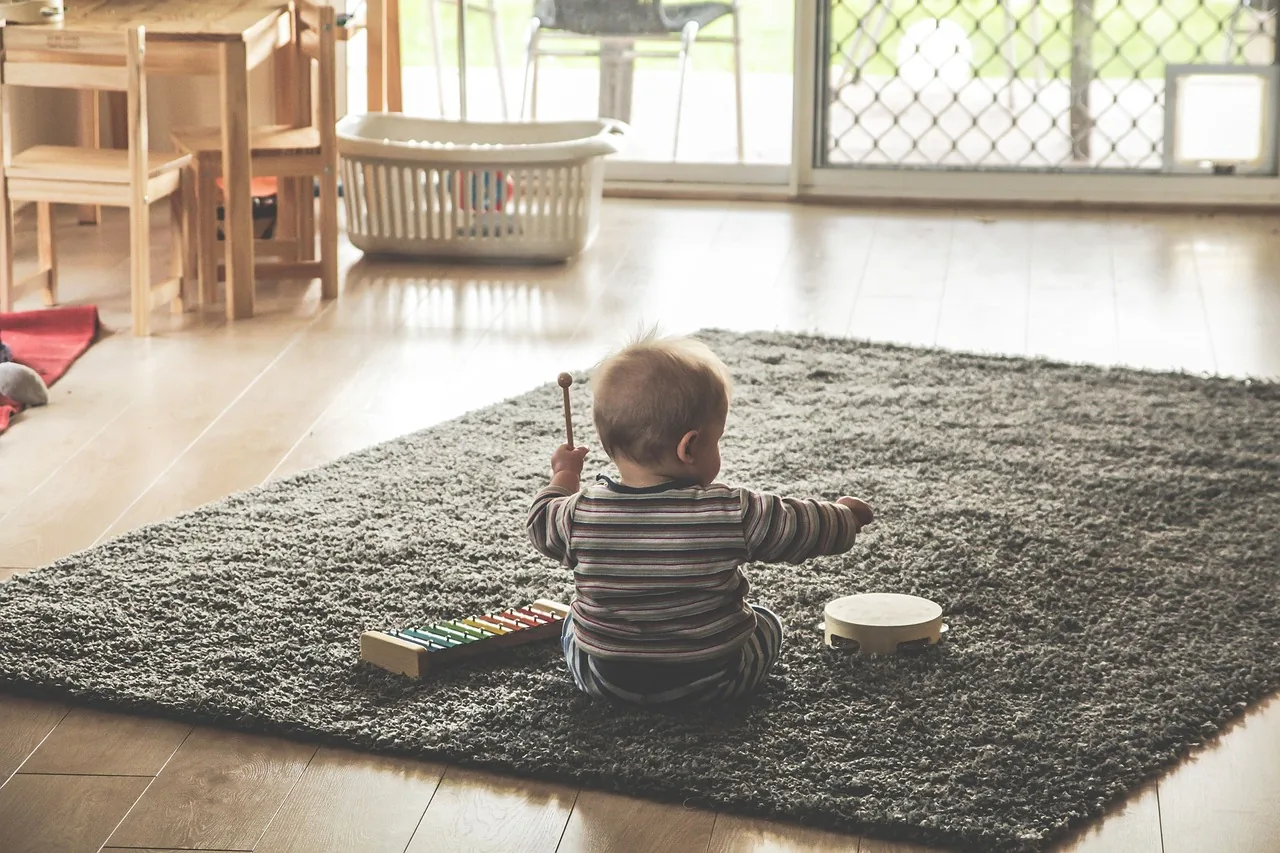
Finally, the Kalimba is also used in children’s early music education. Its ease of play and joyful notes make it an ideal choice for introducing young children to music. By learning to play the Kalimba, children develop their musical sense and discover the pleasure of creating their own melodies.
In conclusion, the Kalimba is rapidly gaining popularity thanks to its unique sound and musical versatility. Whether it is used in world music, in music therapy, for meditation or in early music education, this instrument brings a special touch to music and enriches the listening experience of those who hear it.
The Kalimba has also gained popularity worldwide because of its unique sound and how easy it is to learn. It has become a valued instrument in different musical genres and is used in various contexts.