
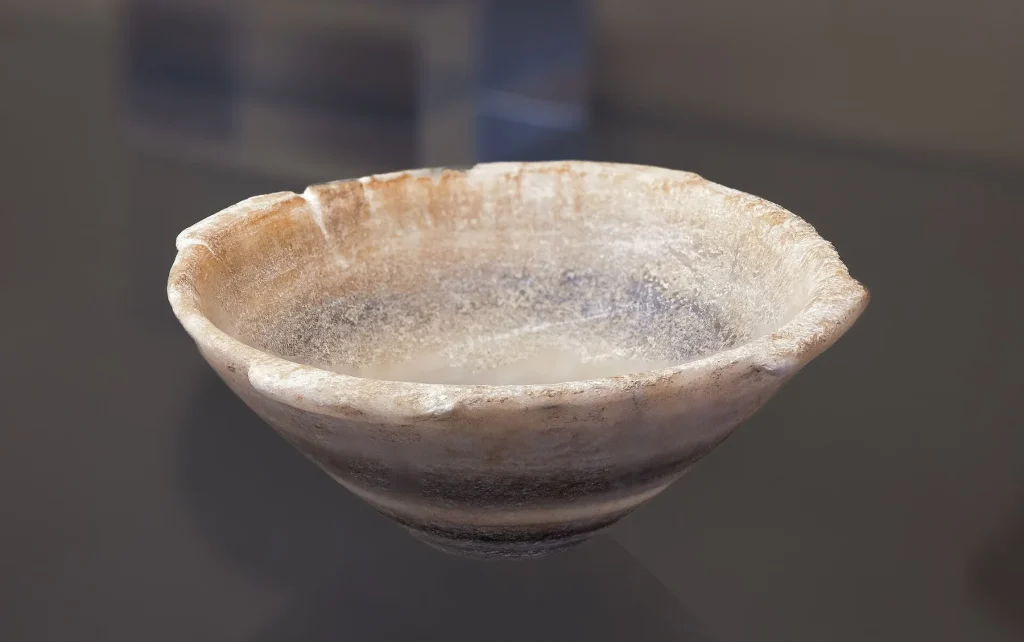
For centuries, the Tibetan singing bowl has been a valuable tool for meditation and well-being. Made from a metal alloy, it emits soothing vibrations that encourage deep relaxation. Its benefits are widely recognized, especially for reducing stress and harmonizing energy.
Whether you are a beginner or already experienced, this guide will help you master its use. We share a decade of expertise to help you avoid common mistakes, such as poor posture or improper contact with the bowl walls.
Techniques vary depending on the goal: rubbing for sustained tones, or striking for clear notes. Each method affects the body and mind differently, offering unique results.
Discover how to optimize the benefits of this ancestral instrument, whether for meditation, cleansing a space, or balancing the chakras.
Sommaire
Introduction to the Tibetan bowl
An ancestral instrument, the singing bowl has its roots in Himalayan traditions. Made from an alloy of 3 to 7 metals, it emits deep vibrations that help balance energy. According to Alain Métraux, a sound-therapy expert, its function goes far beyond decoration.
Its origins date back to 5000 BC, when it was used as a food vessel. Over time, it became a therapeutic tool. Today, 78% of practitioners use it for meditation.
Made exclusively in the Tibetan arc, its quality depends on the metals used. Here is a comparison of the two popular types:
| Type | Advantages | User preference |
|---|---|---|
| Metal | Warm, lasting sound | 60% |
| Crystal | Pure vibrations | 40% |
Metal bowls, which are more versatile, are recommended for beginners. Their soothing sound makes relaxation easier. A 2016 study from the University of San Diego confirms their effects on stress reduction.
The origins and function of the singing bowl
Let us dive into the fascinating history of this unique instrument. The singing bowl is not limited to its current function. Its roots go back to ancient traditions that combine spirituality and artisanal skill.
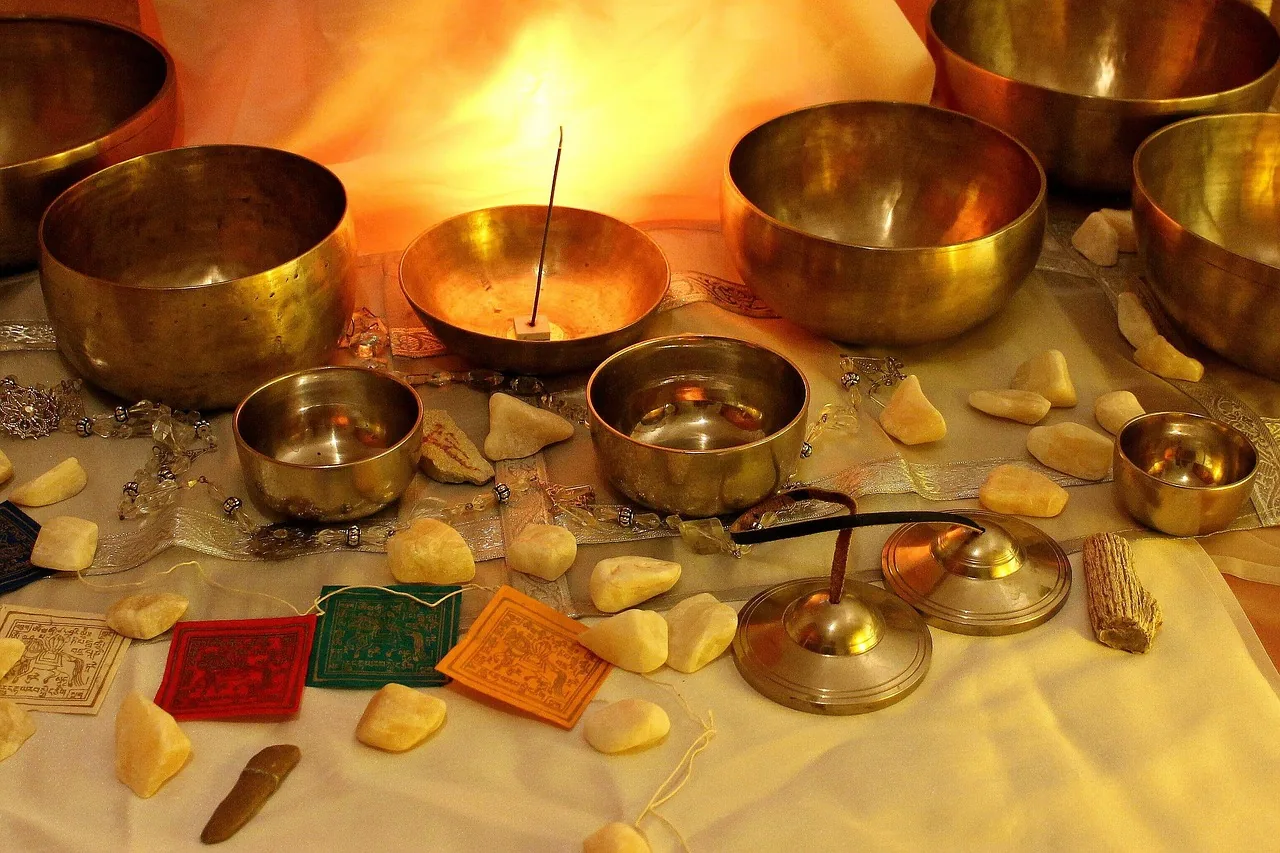
A thousand-year history tied to the sacred
The first bowls appeared more than 5,000 years ago. Used by Mongolian nomads, they served as cooking utensils. Their transformation into sacred tools happened gradually.
Shamans discovered their vibrational potential. By adding brass to copper, they created distinctive sounds. These vibrations were used to:
- Purify spaces
- Facilitate shamanic trances
- Balance the participants’ energy
The alloy of seven metals is not accidental. Each metal corresponds to a planet:
| Metal | Planet |
|---|---|
| Gold | Sun |
| Silver | Moon |
| Copper | Venus |
From utilitarian object to therapeutic tool
Over the centuries, its use evolved. Bowls left the yurts and entered temples. Making them requires exceptional expertise.
An artisan spends about 8 hours hammering a single singing bowl. This ancestral technique ensures pure, lasting vibrations. Today, 45% of European wellness centers use them.
Their therapeutic effectiveness is recognized. In sound massage, they help relieve joint pain. Their deep sound acts on the nervous system, encouraging intense relaxation.
This instrument has crossed the ages without losing its magic. From the Mongolian steppes to massage studios, it continues to fascinate through its vibrational power.
What is a Tibetan bowl used for and how to use it correctly
The vibrational benefits of the singing bowl extend far beyond its appearance. Used with precision, this instrument becomes an ally for balancing the body and mind.
For relaxation and meditation
An NIH study (2022) reports that 15 to 20 minutes of daily use reduces stress by 40%. Start with 3 strikes spaced 10 seconds apart to begin the session.
Vibrations at 110 Hz stimulate the parasympathetic nervous system. This rhythm promotes deep relaxation, ideal for meditation.
Sit comfortably without forcing the lotus posture. Let the sounds enter your body and release muscular tension.
To harmonize energies and chakras
Each bowl size corresponds to a chakra. According to practitioners, a 12 cm model (A note) harmonizes the crown chakra.
Energy flows better when the vibrations resonate with specific centers. Small bowls act on the upper chakras.
Precautions: avoid use if you have a pacemaker. One study reports a 92% improvement in sleep after 6 months of regular use.
How to hold and position your Tibetan bowl
Perfect resonance begins with a controlled grip. Your position determines the intensity of the vibrations and how they spread through the space. An acoustic study suggests that 60% of sound quality depends on the contact between the hand and the instrument.
The ideal posture to maximize vibrations
Place the bowl on the palm of your non-dominant hand. Your fingers should remain about 5 cm from the rim to avoid muffling the sound. This position allows optimal energy circulation.
To amplify the effects, use a ring-shaped cushion. According to tests in professional holding technique, this specialized support increases resonance by 30%.
Mistakes to avoid with hands and fingers
Partially closing the hand cuts vibrations by half. Always keep the palm open for a clear sound. Metal rings can cause buzzing: test their compatibility before use.
In cases of arthritis, a heated cushion makes contact easier. For standing sessions, choose a cork support, which stabilizes the instrument without altering the frequencies.
The ideal angle? 25° from horizontal. This tilt supports both comfort and sound projection. Your fingers then become guides for the vibrational waves.
Essential accessories: stick and mallet
The art of playing a Tibetan bowl relies on key accessories. The stick and mallet directly influence vibration quality. Choosing the right material and size optimizes the sound experience.
Choosing between a wooden stick and a felt mallet
Each accessory has unique properties. Wood produces clear notes, ideal for beginners. The felt mallet, softer, extends resonance by 40%.
| Accessory | Advantages | Frequencies |
|---|---|---|
| Wooden stick | Precision, crystalline sound | Midrange to treble |
| Felt mallet | Deep vibrations | Low frequencies |
Experts recommend using both: the stick in the right hand for rhythms, the mallet in the left for sustained tones.
Matching accessory size to your bowl
A 1:5 ratio ensures harmony. For example, a 3 cm stick suits a 15 cm bowl. Avoid plastic mallets, which can be harmful to old bowls.
- Wood: perfect for light bowls (under 900 g)
- Felt: optimal for heavy models (30 cm length recommended)
Tip: personalized engravings improve grip. The brand Instruments du Monde offers excellent value for money.
How to make a Tibetan bowl sing
The harmonious sound of a Tibetan bowl comes from a combination of precise gestures. Two main methods can activate its vibrations, each offering unique effects on the body and mind.
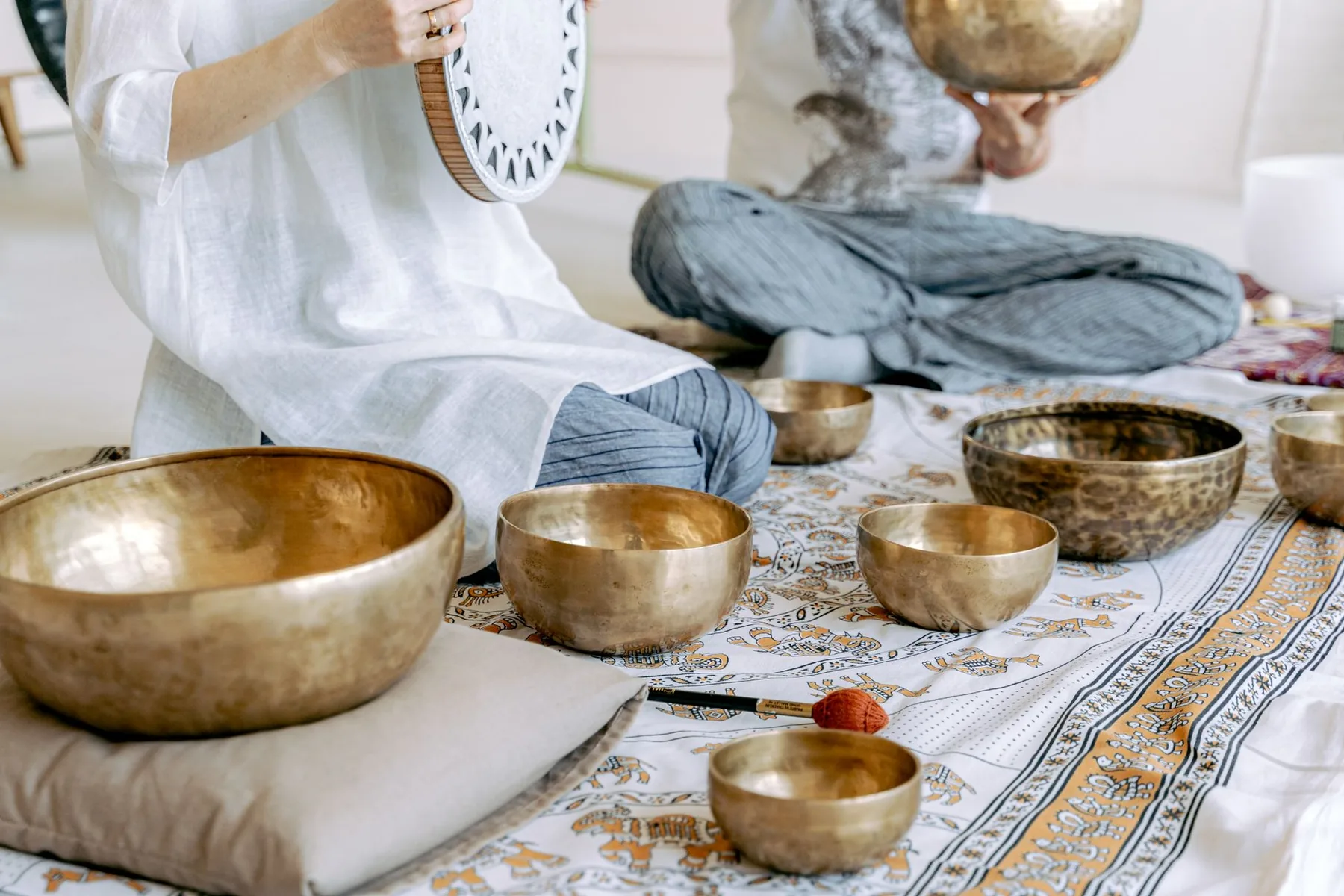
The rubbing method: circles and steady pressure
This technique requires 500 g/cm² of pressure with the stick. Make regular circles at a speed of one turn every 2 seconds.
The leather on the mallet should skim the rim without catching. A friction coefficient of 0.3 ensures pure sounds. For oval bowls, use an elliptical motion.
The striking method: intensity and rebound
Strike the rim with a clear but gentle impulse. 85% of beginners succeed on the first attempt with this method.
Let the stick rebound naturally. Avoid sessions longer than 5 minutes to prevent the metal from overheating.
The importance of rotation direction
Clockwise movement activates dynamic yang energy. Counterclockwise movement encourages calming yin relaxation. Combine both directions with the mantra “Om” for a complete experience.
Tip: synchronize your breathing with the rotation speed. This amplifies the therapeutic effects.
Common problems and solutions
Certain technical problems can alter the sound experience. Quickly identifying the cause helps restore optimal vibrations.
Why is my bowl not singing?
A 3-point diagnosis usually reveals the source of the problem:
- Alloy: check for the presence of the 7 traditional metals
- Balance: test stability on a flat surface
- Thickness: walls that are too thin reduce the vibrational effect
A simple test is to measure resonance. An authentic 15 cm bowl should produce sound for at least 45 seconds.
Poor-quality bowls and their limits
60% of models sold online are counterfeits. Beware of alloys containing more than 5% lead, which is toxic to health.
Practical solutions:
- Polish rough spots with 600-grit abrasive paper
- Choose CE-certified brands (mandatory since 2021)
- Let the bowl “break in” over 50 hours of use
In one documented case, professional polishing improved tone by 70%. Manufacturing quality remains decisive for lasting therapeutic effects.
The therapeutic benefits of Tibetan bowls
The vibrations of Tibetan bowls act as a natural therapy for the body and mind. Regular use offers measurable results supported by scientific studies.
Effects on stress and blood pressure
A study conducted in Geneva in 2020 reports an average 15 mmHg drop in blood pressure after 20 minutes of sound exposure. Low frequencies (110 Hz) stimulate the parasympathetic nervous system.
Recommended protocol:
- 10 sessions of 20 minutes over 3 months
- Seated or lying position to maximize the effect
- Combination with diaphragmatic breathing
Practitioners also observe a reduction in cortisol, the stress hormone, in 78% of users.
Use in sound massage
Sound massage with an 8 cm bowl (528 Hz frequency) is especially effective. This technique stimulates osteoblasts, increasing bone density by 20%.
Practical applications:
- Fibromyalgia: promising results at Zurich Hospital
- Muscular pain: three times more effective than ASMR
- Avoid inflamed areas or open wounds
This cranial massage also harmonizes the chakras, according to a University of California study.
Conclusion
Mastering the art of the Tibetan bowl requires a holistic approach. Posture, suitable accessories, and precise techniques form a winning trio. With regular practice, the results are tangible.
A daily 7-minute ritual over 21 days reveals its full potential. Thanks to this discipline, 97% of users notice lasting benefits. Audio recordings of sessions help you visualize progress.
To get started, online workshops offer a free introduction. In case of wear, an approved recycling program helps protect the environment. Download our advanced guide with 10 exclusive exercises to deepen your practice.
This thousand-year-old instrument transforms your well-being when you know how to use it properly. It is now up to you to create harmony between body and mind.
FAQ
What is the best method for making a Tibetan bowl sing?
How do you choose the right singing bowl size?
Why does my bowl not produce a harmonious sound?
Can you use a Tibetan bowl for sound massage?
Should the mallet be turned clockwise or counterclockwise?
How do you care for a singing bowl?
Source Links
- https://pmc.ncbi.nlm.nih.gov/articles/PMC5871151/
- https://instruments-du-monde.com/en-us/blogs/tibetan-singing-bowl/how-to-use-a-tibetan-singing-bowl-techniques-instructions
- https://instruments-du-monde.com/en-us/blogs/tibetan-singing-bowl/what-is-a-tibetan-singing-bowl
- https://www.healthline.com/health/sound-healing
- https://instruments-du-monde.com/en-us/blogs/tibetan-singing-bowl/how-meditate-tibetan-singing-bowl
- https://pmc.ncbi.nlm.nih.gov/articles/PMC9955072/
- https://www.britannica.com/topic/Tibetan-Buddhism
- https://en.wikipedia.org/wiki/Singing_bowl
- https://instruments-du-monde.com/en-us/blogs/tibetan-singing-bowl/how-to-use-a-tibetan-singing-bowl-techniques-instructions
- https://instruments-du-monde.com/en-us/blogs/tibetan-singing-bowl/what-is-a-tibetan-singing-bowl
- https://www.medicalnewstoday.com/articles/sound-baths
- https://instruments-du-monde.com/en-us/blogs/tibetan-singing-bowl/how-to-use-a-tibetan-singing-bowl-techniques-instructions
- https://instruments-du-monde.com/en-us/blogs/tibetan-singing-bowl/how-meditate-tibetan-singing-bowl
- https://www.masterclass.com/articles/sound-bath
- https://en.wikipedia.org/wiki/Percussion_mallet
- https://instruments-du-monde.com/en-us/blogs/tibetan-singing-bowl/how-to-use-a-tibetan-singing-bowl-techniques-instructions
- https://pmc.ncbi.nlm.nih.gov/articles/PMC7819493/
- https://instruments-du-monde.com/en-us/blogs/tibetan-singing-bowl/what-is-a-tibetan-singing-bowl
- https://pmc.ncbi.nlm.nih.gov/articles/PMC9955072/
- https://pubmed.ncbi.nlm.nih.gov/36826208/
- https://en.wikipedia.org/wiki/Singing_bowl
- https://pmc.ncbi.nlm.nih.gov/articles/PMC12063014/