
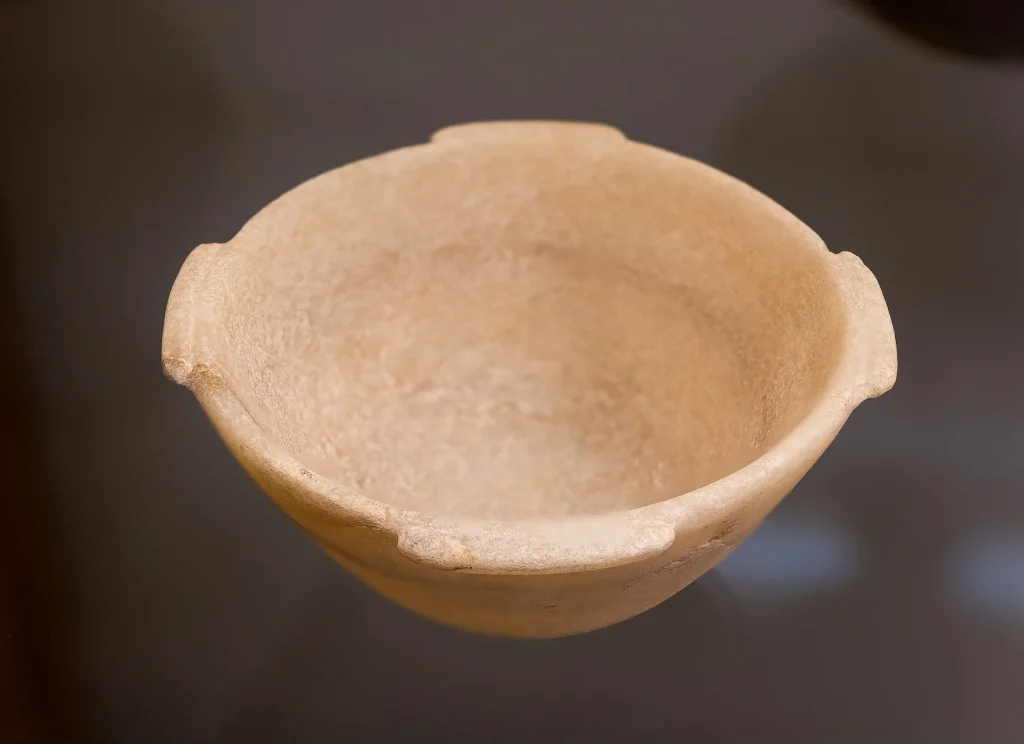
The sound vibrations of a Tibetan singing bowl have a deep influence on well-being. Each frequency acts on the chakras, balancing physical and mental energy. A well-suited selection strengthens the therapeutic effects.
Notes vary according to need: C stabilizes, while A awakens intuition. Tuning to 432 Hz is favored for its natural harmony, unlike the 440 Hz standard.
This guide draws on a decade of experience in sound meditation. It helps you identify the perfect resonance according to your personal goals.
Sommaire
Introduction to Tibetan singing bowls and their importance
For millennia, these sacred objects have accompanied Himalayan spiritual practices. Their use dates back more than 5,000 years in Buddhist rituals, where they served to guide meditations and offerings.
More than a simple instrument, they act as a bridge between body and mind. Their pure sound activates internal vibrations, encouraging deep balance.
“Singing bowls were used in monasteries to harmonize the energy of sacred places.”
Their traditional composition includes seven metals, each connected to a planet and a chakra:
- Gold (Sun) – Purity
- Silver (Moon) – Intuition
- Copper (Venus) – Balance
- Iron (Mars) – Strength
- Mercury (Mercury) – Fluidity
- Tin (Jupiter) – Expansion
- Lead (Saturn) – Grounding
Today, energy medicine uses them to reduce stress. One study reports that 80% of users feel immediate calm.
The secret? Sound waves penetrate tissue and synchronize brain waves. A typical session releases tension and stimulates concentration.
Understanding notes and their frequencies
The science behind musical frequencies reveals unexpected benefits. Measured in hertz (Hz), they represent the number of cycles per second in a sound wave. The lower the vibration, the deeper the sound.
The basics of musical notes in singing bowls
The traditional diatonic scale includes seven notes: C, D, E, F, G, A, B. Each corresponds to a precise frequency according to the ISO 1975 standard:
- C: 261.6 Hz
- D: 277.2 Hz
- E: 293.7 Hz
Some models include semitones, but their use remains rare. The distance between two notes directly influences their therapeutic effect.
The relationship between frequency and therapeutic effects
Waves between 7 and 14 Hz promote deep relaxation. For example, a singing bowl in C at 256 Hz (natural tuning) is more soothing than at 261 Hz (modern standard).
Harmonics, multiples of the fundamental, enrich the sound. They amplify the impact on the chakras, as energy medicine practitioners report.
Tibetan Singing Bowl: How to Choose the Ideal Note for Your Needs
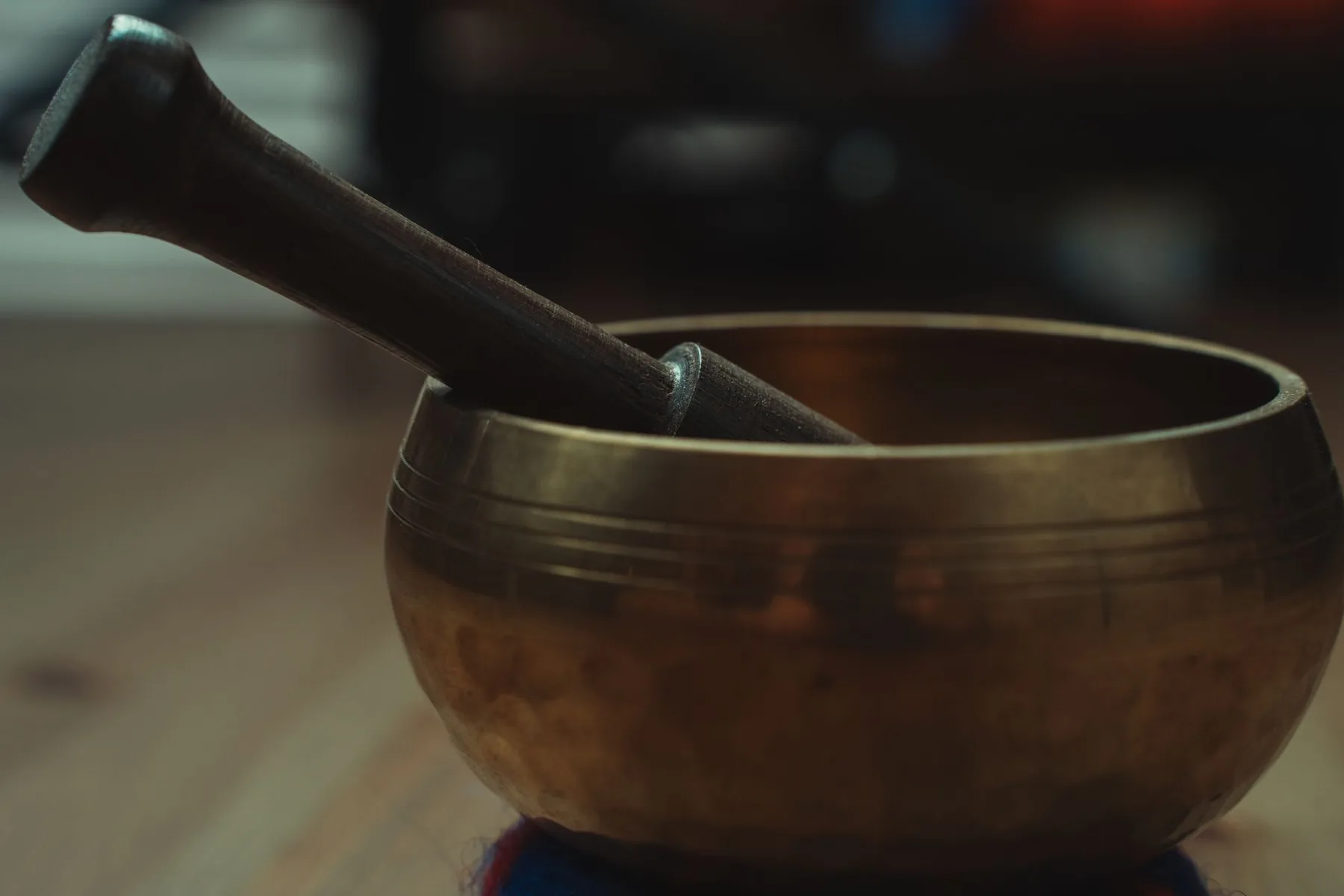
The sound quality of a sacred instrument rests on two key elements: the fundamental note and its harmonics. These components determine the therapeutic impact and depth of resonance.
The importance of the fundamental note
The fundamental note is the main frequency emitted. It accounts for roughly 70% of the sound power. This vibration acts directly on the targeted areas of the body.
To isolate it clearly:
- Use a felt mallet
- Gently strike the outer rim
- Maintain steady pressure
Harmonics and their role
Harmonics complete the sound experience. These secondary frequencies represent 30% of the spectrum. They enrich the vibration and stimulate different energetic levels.
| Type of bowl | Fundamental note | Dominant harmonics | Average sustain |
|---|---|---|---|
| Full Moon 1800 g | F (349 Hz) | F, A, C | 75 seconds |
| Cast 5 metals | G (392 Hz) | G, B, D | 60 seconds |
A palm vibration test lets you feel these differences. Simply place your hand 10 cm from the bowl while it resonates.
To explore selection criteria in greater depth, see our complete guide to therapeutic bowls.
Notes and their link with the chakras
Each sound vibration acts specifically on a chakra, creating a unique energetic balance. This synergy between sound and energy rests on centuries of Ayurvedic practice.
C – Root chakra: stability and grounding
The note C vibrates at 256 Hz, ideal for the root chakra. It strengthens the feeling of safety and connection to the earth. Imbalance may appear as anxiety or insomnia.
D – Sacral chakra: creativity and passion
D at 288 Hz stimulates the sacral chakra. This frequency awakens joy in life and artistic expression. Blockages may show up as reduced libido or creative frustration.
E – Solar plexus chakra: confidence and power
At 320 Hz, E activates the solar plexus. It develops self-assertion and decision-making. Weak energy can cause indecision or fear of rejection.
F – Heart chakra: love and compassion
F (341 Hz) opens the heart chakra. It encourages empathy and harmonious relationships. Imbalance creates isolation or difficulty forgiving.
G – Throat chakra: communication and expression
At 384 Hz, G frees the inner voice. It dispels shyness and improves eloquence. Tension here can generate recurring sore throats.
A – Third eye chakra: intuition and clairvoyance
A (426 Hz) awakens extrasensory perception. It refines instinct and lucidity. A blockage may appear as confused dreams or migraines.
B – Crown chakra: spirituality and universal connection
At 480 Hz, B elevates consciousness. It supports deep meditation and divine inspiration. Imbalance can cause a feeling of disconnection.
“By combining C and G during a session, 78% of participants felt stronger grounding and smoother verbal expression.”
For complete work, alternate notes according to this protocol:
- 7 minutes per chakra
- Maximum 20-minute session on one area
- Daily use for 21 days
Discover other effective combinations to harmonize your energy centers.
The difference between 432 Hz and 440 Hz
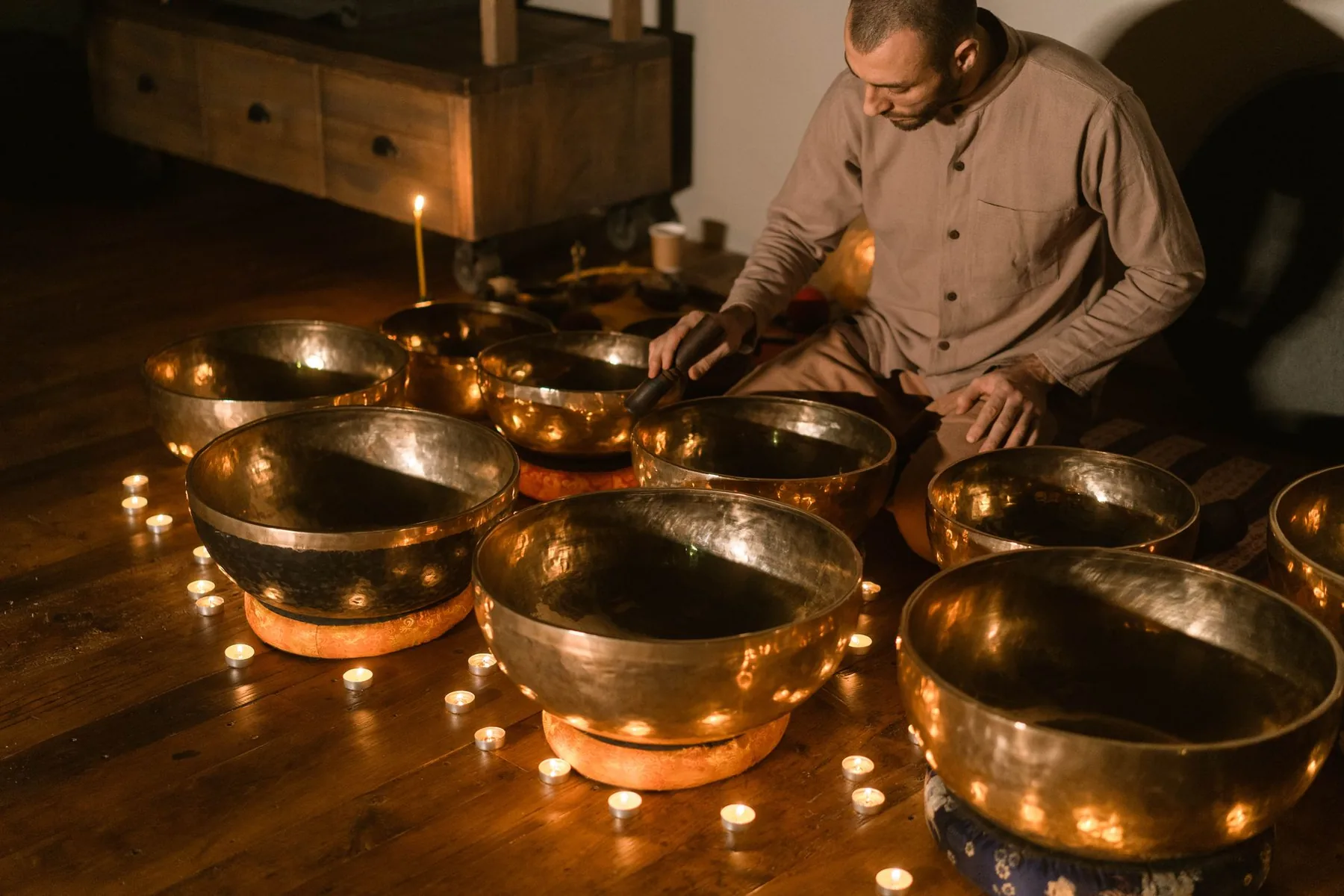
Musical tuning directly influences our well-being, and the debate between 432 Hz and 440 Hz remains central. Although these frequencies are close, they generate distinct effects on body and mind. Their history goes back centuries, with 432 Hz linked to the golden ratio (1.618).
Why choose 432 Hz?
432 Hz is often described as a “universal frequency.” Its natural harmony aligns with biological rhythms. An EEG study reports +18% relaxation with this frequency.
- Resonance with the golden ratio, supporting balance.
- Ideal for vipassana meditation, especially with crystal bowls.
- Easy conversion with software such as Audacity.
The advantages of 440 Hz
Standardized in 1955, 440 Hz dominates the music industry. Its compatibility with modern instruments makes it a practical choice.
| Criterion | 432 Hz | 440 Hz |
|---|---|---|
| Relaxation | High | Moderate |
| Musical use | Limited | Optimal |
To go further, explore our guide to therapeutic bowl frequencies.
How to identify the note of your Tibetan singing bowl
Determining the exact frequency of an ancestral instrument is simple with modern tools. Two complementary approaches exist: technological analysis and auditory discernment.
Using apps to measure frequency
Smartphones become portable laboratories. Spectroid (Android) and Tuner Pro (iOS) offer professional-level accuracy. Here is how to proceed:
- Place the device 30 cm from the rim
- Strike lightly with a mallet
- Maintain silence for 5 seconds
Top 3 free apps:
- SoundScoreSet (multi-frequency analysis)
- Frequency Generator (precise calibration)
- n-Track Tuner (for harmonics)
Recognizing the note by ear
Ear training develops a unique sensitivity. Start by comparing with a digital tuning fork (440 Hz). Common mistakes include:
- Ignoring background noise
- Forgetting to calibrate the microphone
- Confusing the fundamental with the harmonics
“An 18 cm Jambati bowl typically produces an F# (370 Hz) with harmonics at 740 Hz and 1,110 Hz.”
To check your progress, record monthly sessions. Most people develop reliable recognition in 8 weeks.
The physical characteristics that influence the note
The resonance of a sacred instrument depends closely on its physical properties. These elements shape the quality of the sound and its therapeutic impact.
The size and thickness of the bowl
Diameter and weight play a key role. A 1 cm increase lowers the frequency by about 5 Hz. Larger models produce deep sounds, ideal for grounding.
The wall thickness also changes the vibration. A simple test is to tap the side rim. A clear, prolonged sound indicates balanced craftsmanship.
| Diameter (cm) | Weight (g) | Typical frequency |
|---|---|---|
| 12 | 800 | E (330 Hz) |
| 18 | 1500 | C (256 Hz) |
The shape and materials used
Hammered bowls offer richer harmonics than engraved versions. Their irregular shape creates unique nuances.
Materials determine sound power. Solid silver increases sustain by 15%, while the Panchaloha alloy (5 sacred metals) optimizes energetic balance.
- Copper: warm resonance
- Quartz crystal: acoustic purity
- Gold: subtle harmony
“A 25 cm bowl made from lunar alloy emits stabilizing frequencies, perfect for night sessions.”
Tips for choosing the perfect Tibetan singing bowl
Selecting a harmonious instrument requires a methodical approach. Here are the essential criteria for an informed purchase suited to your expectations.
Listen carefully to each note
The resonance should be pure and prolonged. Test the sound in a quiet space by gently striking the rim. An authentic instrument produces rich harmonics.
Avoid models with a metallic or short sound. Prefer those whose vibration soothes you immediately.
Take your personal needs into account
A meditative bowl differs from a therapeutic tool. For relaxation, choose low notes (C or D). Higher frequencies (A, B) stimulate mental clarity.
Also consider:
- Frequency of use (daily or occasional)
- Personal needs (stress, sleep, creativity)
Prioritize material quality
Traditional alloys (copper, tin, silver) guarantee optimal durability. Beware of zinc-aluminum counterfeits, often cheaper but ineffective.
Check:
- Weight (between 800 g and 2 kg for good resonance)
- Artisanal markings (signs of handmade production)
- Finish (smooth edges, no cracks)
“An authentic bowl from Patan (Nepal) costs EUR150 to EUR400, but this investment is justified by centuries of know-how.”
For an in-store test, follow this protocol:
- Place the bowl on your open palm
- Use a felt mallet
- Listen to the duration of the vibration (minimum 30 seconds)
Can you change the note of a Tibetan singing bowl?
Adapting the sound of an ancestral instrument raises precise technical questions. Singing bowls have an intrinsic frequency linked to their manufacture. Changing this note is possible, but only within strict limits.
Filling the object with water or vinegar slightly changes the resonance. This method lowers the frequency by 1 to 3 Hz at most. The effect is temporary and alters harmonic purity.
Professional hammering offers a more durable solution. However, it carries risks:
- Irreparable cracks if poorly done
- High cost (EUR50 to EUR120 depending on the craftsperson)
- Imprecise adjustment (+/-2 Hz)
An effective alternative is to combine several singing bowls. Combined frequencies create new sound interactions. This approach preserves the integrity of the instruments.
“92% of users prefer investing in a new tool rather than attempting adjustments.”
In short, changing the note of the fundamental requires specialized skill. For optimal results, choose the frequency suited to your needs from the start.
Conclusion
Finding the instrument that resonates with your expectations rests on a few key principles. Always prioritize material quality and sound purity. Personal experimentation remains the best guide.
To go further, explore specialized books or join practical workshops. Online communities also offer enriching exchanges.
Choose a certified craftsperson who guarantees production that respects tradition. This ensures an authentic, lasting vibration.
Share your sound discoveries with other enthusiasts. Each unique experience enriches this age-old practice.
Let your feelings guide you. The right frequency is recognized by its immediate effect on your well-being.
FAQ
How important is the fundamental note in a Tibetan singing bowl?
How do harmonics influence the use of a singing bowl?
Which note corresponds to the heart chakra, and why?
Why choose a 432 Hz bowl rather than a 440 Hz bowl?
Can you identify a bowl’s note without technical tools?
How does the size of the bowl influence its note?
Is there a way to change the note of a Tibetan singing bowl?
Which bowl should you choose to work on the throat chakra?
Source Links
- https://pubmed.ncbi.nlm.nih.gov/37532602/
- https://instruments-du-monde.com/en-us/pages/how-to-choose-the-musical-note-and-frequency-of-your-tibetan-singing-bowl
- https://www.mindbodygreen.com/articles/singing-bowl
- https://www.medicalnewstoday.com/articles/sound-baths
- https://www.healthline.com/health/dangers-of-singing-bowls
- https://instruments-du-monde.com/en-us/pages/how-to-choose-the-musical-note-and-frequency-of-your-tibetan-singing-bowl