
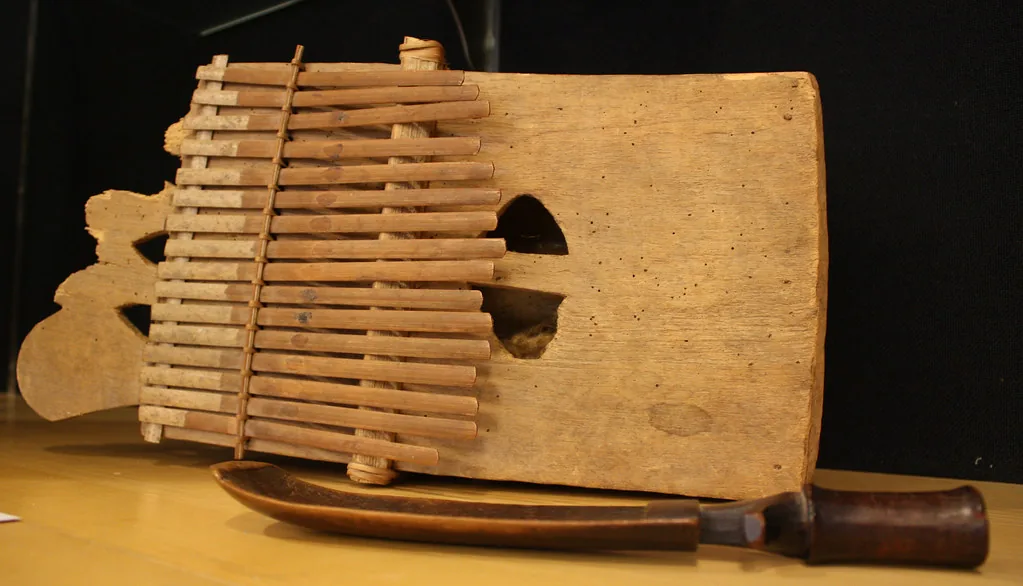
The gentle sound vibrations emitted by the kalimba bring a definite and immediate sense of calm to listeners. This feeling of relaxation, even well-being, makes this instrument the perfect ally for music-centered therapies.
Sommaire
Definition of music therapy
Music therapy is the clinical, evidence-based use of music interventions to achieve individualized goals within a therapeutic relationship with a credentialed professional. Music therapy interventions can address a variety of health and educational goals:
- Promote well-being
- Manage stress
- Reduce pain
- Express feelings
- Improve memory
- Improve communication
- Support physical rehabilitation
- and more
Who is music therapy for?
It can benefit the following populations and conditions: children, adolescents, adults and older adults with mental health needs, developmental and learning disorders, Alzheimer’s disease and other age-related conditions, substance use issues, brain injuries, physical disabilities, and acute and chronic pain, including expectant mothers during the prenatal stage.
With children, music therapy offers a unique variety of musical experiences, used intentionally and adapted to the child’s development, in order to modify behavior and support the development of communication, social-emotional, sensorimotor and/or cognitive skills.
Music therapy improves quality of life. It involves relationships between a qualified therapist and the child; between one child and another; between the child and the family; and between music and the participants.
Music therapy is not only for children with special needs. Children with “typical” development can also benefit from music therapy, because it provides a solid musical foundation on which the child can build. It is not only an educational opportunity, but also an enjoyable activity that brings structure and purpose into the child’s life.
Activities in a music therapy session for a typically developing child may include playing and/or learning an instrument (kalimba, piano, guitar, drums, hand percussion, etc.), learning educational concepts through music (colors, shapes, counting, etc.), singing and voice work, movement to music, sung books and stories, and music education.
Using the kalimba in music therapy
Benefits of the kalimba on the physical level
The kalimba has shown effective results when used with people with traumatic brain injuries in group or individual sessions.
Brain injuries present with varying levels of functioning; however, this instrument adapts to all ability levels and is easy to play, while supporting both gross and fine motor skills. In group sessions, clients take turns playing the kalimba to form the chord progressions of their favorite songs.
The comforting sound of the kalimba supports relaxation. The instrument’s spreading vibrations are used to encourage progressive muscle relaxation; the kalimba is then placed on each part of the body that the therapist describes to the client as needing to relax.
This type of vibrotactile massage is a relaxation method that can be performed, with the client’s permission, by placing the instrument on the client’s back, for example, and playing slowly while the vibrations massage the spine and the surrounding muscles.
Expressing yourself musically with the kalimba
During individual sessions, the kalimba can be played alone or with other instruments. The music created is used to express thoughts and emotions when words are absent. A therapeutic intervention called “Kalimba Conversation” supports turn-taking goals; while one person plays, the other listens, then the participants exchange roles through nonverbal cues in the music.
For “Kalimba Mirror,” one person plays a short musical phrase and the other imitates it in return; then the leader changes. Here are testimonials from clients with traumatic brain injuries.
“I like using the kalimba in a music group because we can all play it together and feel in harmony with the group!”
“I have only played the kalimba a few times, and I like it because each time, I can create a new melody that sounds different from what I played before.”
Want to learn more about this musical instrument from Africa? Read our 10 surprising facts to discover about the Kalimba to learn plenty of interesting information about the world of the Thumb Piano.