
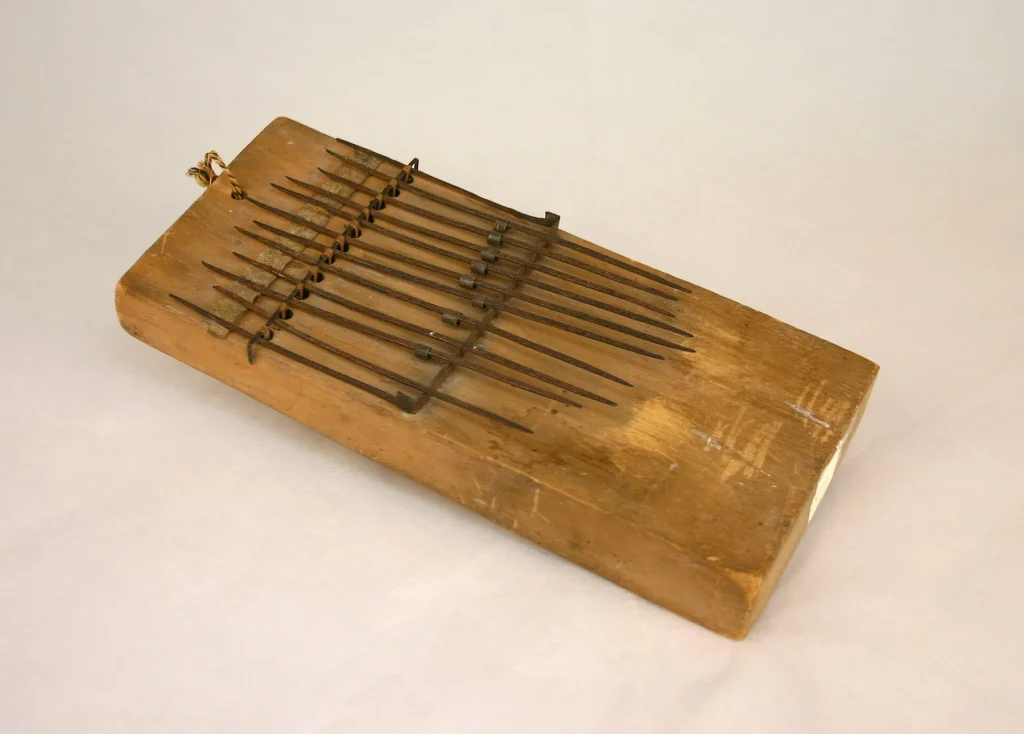
The Kalimba, also known as the thumb piano, is a musical instrument from Africa. Many people are drawn to its unique sound and how easy it is to play, which often raises the question: how long does it take to learn the Kalimba?
The Kalimba learning time can vary greatly from one person to another. Some learners may master the basics in a few days or a few weeks, while others may need months to reach an advanced level. It is important to remember that learning a musical instrument is an individual process, and everyone progresses at their own pace.
To learn the Kalimba faster, it is essential to commit to regular, consistent practice. Set aside time each day to play and become familiar with the different playing techniques. Use learning resources, such as tutorials and online lessons, to guide you through your progress. Taking lessons with a music teacher can also help you improve more quickly through personalized advice and corrections.
Whatever learning method you choose, the key to becoming skilled at playing the Kalimba is practice. The more often you play, the more comfortable you will become with the instrument and its different techniques. Be persistent, and do not get discouraged if you run into difficulties at the beginning. With time and patience, you will develop your own playing style and master this enchanting instrument.
To learn more about the Kalimba and discover useful tips for learning this instrument, read our full article here.
In conclusion, the Kalimba learning time depends on many factors, such as the time devoted to practice, the resources used, and personal commitment. With regular practice and suitable resources, you can quickly become familiar with the basics of the Kalimba. Remember to explore different techniques, take lessons if possible, and immerse yourself in the music. Have fun and fully enjoy your musical journey with the Kalimba.
Sommaire
Tips for Learning the Kalimba
To make fast progress on the Kalimba and play effectively, here are some useful tips and suggestions:
- Regular practice: Set aside time each day to practice the Kalimba. Steady repetition will help you develop your coordination, technique, and musicality. Try setting a dedicated practice schedule so you can stay disciplined and improve your skills more quickly.
- Use learning resources: Explore the online tutorials and lessons available to learn the Kalimba. There are many videos, sheet-music resources, and guides that can help you learn the basics and move forward in your playing. Use these resources to deepen your knowledge and develop new skills.
- Work on technical exercises: Practice exercises that target specific aspects of Kalimba playing, such as hand coordination, finger placement, and rhythmic accuracy. By focusing on these technical points, you will improve your overall playing and be able to play more complex pieces with ease.
- Play with other musicians: Join groups or communities of Kalimba players to share your experiences and play with other musicians. This will help you discover new techniques, inspire one another, and grow as a musician.
- Explore different styles of music: Do not hesitate to explore different styles of music when playing the Kalimba. Try pieces in varied genres, such as traditional African music, jazz, folk, or even contemporary music. This will help you develop your musicality and expand your repertoire.
“The key to making fast progress on the Kalimba is regular practice and searching for new learning resources. By working on technical exercises and playing with other musicians, you will develop your skills and your musicality.” – Name of a famous musician
By following these tips and suggestions, you will be able to progress quickly in learning the Kalimba and thrive as a musician. Remember to stay consistent in your practice and to keep looking for new sources of inspiration and learning.
| Tip | Description |
|---|---|
| Regular practice | Set aside time each day to practice the Kalimba so you can improve your skills more quickly. |
| Learning resources | Explore online tutorials and lessons to deepen your knowledge and develop new skills. |
| Technical exercises | Work on targeted exercises to improve your coordination, technique, and musicality. |
| Play with other musicians | Join groups or communities of Kalimba players to share and progress together. |
| Explore different styles of music | Try pieces in varied genres to develop your musicality and repertoire. |
Kalimba Learning Method
Learning the Kalimba can be an enriching and rewarding experience, and there are several ways to acquire the skills you need. Whether you are a complete beginner or want to deepen your knowledge, here are some common approaches to learning how to play the Kalimba:
- Free online resources: There are many free resources on the Internet to learn the Kalimba. These resources include video tutorials, sheet music, tablature, and online lessons. You can find them on specialist websites, video-sharing platforms, blogs, and forums dedicated to music. Use them to learn the basics, acquire new skills, and discover new pieces to play.
- Beginner Kalimba tutorials: Tutorials designed specifically for beginners are an excellent way to learn the basics of the Kalimba. They will guide you step by step through basic techniques and exercises, helping you become familiar with the instrument and start playing your first pieces. You can find these tutorials in books, online videos, and mobile apps dedicated to learning the Kalimba.
- Lessons with a music teacher: If you prefer more structured and personalized learning, you can consider taking lessons with a music teacher. An experienced teacher can guide your learning, correct you in real time, and give you personalized advice. These lessons will help you build solid technical foundations, develop your musicality, and significantly improve your playing.
Whatever learning method you choose, it is important to practice regularly and stay persistent. As you gain confidence and skill, do not hesitate to explore new techniques, learn new pieces, and have fun with your Kalimba.
Remember that learning the Kalimba is an ongoing journey. Take the time to appreciate each stage of your progress, and remember that perseverance is the key to success.
Kalimba Learning Time
The Kalimba learning time depends on several factors, such as your previous musical experience, the frequency and quality of your practice, and your ability to absorb new information. It is important to understand that each person learns at their own pace and that results can vary.
In general, with regular practice, you can expect to play simple pieces and master the basic techniques of the Kalimba in a few weeks to a few months. This will allow you to play basic melodies and chords and explore different sounds on the instrument.
However, reaching a more advanced level and playing more complex pieces easily may require several months, or even years, of regular practice and commitment. It is important to be patient and not get discouraged. Learning the Kalimba is an ongoing process, and you will keep improving and developing your command of the instrument over time.
The key to progressing quickly is committing to regular, consistent practice. Set aside dedicated time for the Kalimba each day and explore various exercises and pieces to develop your skills. Also use learning resources, such as online tutorials, lessons with a music teacher, or instructional books, to guide your progress.
Testimonial
“I started learning the Kalimba a few months ago, and I was surprised by how quickly I improved. By following online video tutorials and practicing regularly, I was able to play my first pieces in just a few weeks. Now I can play more complex melodies and improvise with ease. Learning the Kalimba is a beautiful adventure that takes time and practice, but it is so rewarding!” – Sophie, Kalimba learner
In short, the learning time for the Kalimba varies depending on many factors. With regular practice, you will be able to play simple pieces and master the basic techniques in a few weeks to a few months. However, becoming truly skilled and playing more advanced pieces can take several months, or even years, of regular practice and commitment. The essential thing is to stay motivated, persistent, and keep exploring and developing your playing so you can fully enjoy this enchanting instrument.
Effective Techniques for Playing the Kalimba
To play the Kalimba effectively, it is important to develop certain techniques and follow a few tips that will help you progress quickly. Here are some points to keep in mind:
1. Hand Position
When you play the Kalimba, make sure your hands are positioned well. Place your fingers on the metal tines with light pressure. Use your thumbs to play the notes and your other fingers to support the Kalimba. Keep your hands relaxed and do not force the movements.
2. Regular Practice
To progress quickly on the Kalimba, regular training is essential. Set aside a moment each day to practice and become familiar with the instrument. Regular practice will help you improve your accuracy, speed, and coordination.
3. Listen to Other Players
Listening to other experienced Kalimba players can be an excellent source of inspiration and learning. Look for recordings, watch online performances, or attend concerts. Observe their technique, how they use pauses, and their rhythm. You can also try playing some of their pieces to improve your own playing.
4. Experiment with Playing Patterns
One of the keys to playing the Kalimba creatively is experimenting with different playing patterns. Try playing melodies using different combinations of notes and rhythms. Stay curious and explore the different possibilities the instrument offers.
5. Use Sound Effects
To add depth and expression to your Kalimba playing, you can use sound effects such as glissandos, tremolos, and harmonics. This will allow you to explore new sound textures and add emotion to your performances.
| Effective Techniques for Playing the Kalimba | Tips for Making Fast Progress on the Kalimba |
|---|---|
| Hand position | Regular practice |
| Listen to other players | Experiment with playing patterns |
| Use sound effects |
Experiment with these techniques and tips to improve your Kalimba playing. Remember to practice regularly and have fun while exploring the unique musical possibilities of this wonderful instrument.
Free Resources for Learning the Kalimba
For beginners as well as more advanced musicians, there are many free online resources for learning the Kalimba. These resources include tutorials, lessons, sheet music, and much more. Here are some of the best resources available:
Video Tutorials on YouTube
YouTube is an excellent source of Kalimba tutorials and lessons. Experienced musicians share their knowledge and skills there through detailed videos. You can find tutorials for beginners as well as more advanced lessons to improve your playing. Here are a few popular channels:
- Kalimba Magic – This channel offers a variety of tutorials for all levels, from beginners to advanced players.
- April Yang – April Yang is a talented musician who shares Kalimba tutorials and covers of popular songs.
Specialist Websites and Blogs
There are also specialist websites and blogs dedicated to learning the Kalimba. These resources offer tips, sheet music, videos, and other useful information for beginners. Here are some of the best websites and blogs:
- Kalimba Magic Blog – The Kalimba Magic blog offers informative articles, tutorials, and resources for Kalimba players.
- KalimbaTabs.net – This site offers Kalimba tabs, which are extremely useful for learning how to play specific songs.
Online Community
Do not underestimate the power of the online community when learning the Kalimba. There are forums, Facebook groups, and other platforms where you can interact with other Kalimba players, ask questions, share your progress, and get advice. Joining an online community will help you feel supported and encouraged in your learning. Search for active groups or forums where you can join the conversation.
These free resources for learning the Kalimba will help you improve your playing and learn more about this fascinating instrument. Remember to practice regularly and take the time to explore these different resources to improve your skills. You can also consult the Kalimba learning guide from the Saint-Laurent school, which offers additional resources for beginners.
Conclusion
Learning the Kalimba can be an enriching and rewarding experience. Although the learning time can vary from one person to another, it is possible to master the basics in a few weeks to a few months with regular practice. By using free online resources, effective tips, and useful advice, you can progress quickly and develop your own playing style. Remember to practice regularly, look for additional learning opportunities, and have fun with the instrument. With time and perseverance, you can become skilled at playing the Kalimba and fully enjoy this enchanting instrument.