

When you start playing the Kalimba, the first essential step is learning how to hold it properly. The right finger position and holding techniques are key to developing your playing and fully enjoying this fascinating instrument.
The Kalimba, also known as a thumb piano, is a percussion instrument that originated in Africa. Its delicate, captivating sound makes it a popular choice among musicians of all levels.
To hold a Kalimba properly, it is important to become familiar with a few basic holding techniques. By placing your hands correctly and positioning your fingers on the tines, you will be able to play with ease and precision.
One common technique is to hold the Kalimba between the palms of your hands. Place your hands around the instrument while leaving your fingers free to play the tines. Make sure the Kalimba sits securely in your hands so it does not slip while you play.
It is also essential to position your fingers correctly on the tines. Each Kalimba tine produces a different note, so it is important to know where to place your fingers to get the sound you want. Practice your finger position by pressing the tines lightly, then releasing them, to produce different sounds.
By holding the Kalimba correctly and mastering the holding techniques, you will be able to play this instrument comfortably and fluidly. Remember to consult additional resources to deepen your knowledge and improve your playing.
To learn more about the Kalimba and its rise in popularity, you can read this interesting article: The Kalimba: an instrument that is starting to gain popularity.
Sommaire
Kalimba Playing Techniques
To play the Kalimba well, here are a few tips and playing suggestions:
- Tips for playing the Kalimba: For better control of the instrument, regular practice is essential. Set aside time each day to practice the Kalimba so you can improve your playing and build dexterity.
- Playing suggestions: When you play the Kalimba, focus on the precision and fluidity of your finger movements. Make sure you press the tines with enough force to get a clear sound, but without pressing too hard, which could throw the instrument out of tune.
- Fingering for Kalimba: Each finger has a specific role when playing the Kalimba. Use your thumbs to play the lower tines and your other fingers for the higher tines. Experiment with different fingering combinations to develop your own style and find what works best for you.
It is important to remember that the Kalimba is an intuitive instrument. Trust your ear and your instincts to create unique melodies. Let the sound guide you and explore the different possibilities offered by this captivating instrument.
To learn more about the Kalimba and deepen your knowledge, visit The Metropolitan Museum of Art, where you will find information on musicology, musical instruments and much more.
How do you tune a Kalimba?
Before you start playing the Kalimba, it is essential to make sure it is tuned correctly. Tuning helps you get the right notes and ensures a harmonious sound. Here is a simple technique for tuning your Kalimba:
- Start by identifying the tines of the Kalimba.
- Use an electronic tuner or a tuning app to help you find the reference note.
- Press gently on the first tine and slide your thumb or a pick across the other tines, one by one.
- Adjust the tension of each tine by bending it slightly upward or downward to get the desired note.
- Continue this process until all the tines are properly tuned.
A tine chart can also help you find your way around while tuning. Here is an example of a tine chart for a 17-key Kalimba:
| Tine number | Note |
|---|---|
| 1 | C |
| 2 | D |
| 3 | E |
| 4 | F |
| 5 | G |
| 6 | A |
| 7 | B |
| 8 | C |
| 9 | D |
| 10 | E |
| 11 | F |
| 12 | G |
| 13 | A |
| 14 | B |
| 15 | C |
| 16 | D |
| 17 | E |
Once your Kalimba is properly tuned, you can fully enjoy its sound and explore the different playing possibilities it offers.
Keep reading to discover how to use tabs and sheet music to learn to play the Kalimba.
Learning the Kalimba with tabs and sheet music
To learn to play the Kalimba, you can use tabs and sheet music designed specifically for this instrument. These resources allow you to visualize the corresponding notes and chords, which makes learning easier.
Tabs are graphic representations of the Kalimba keys or tines, showing the finger positions used to play the different notes. They are often presented as diagrams or numbers, which makes them easy to understand and follow. Tabs let you play melodies and chords by following visual cues.
Sheet music, meanwhile, uses traditional musical notation to represent notes, rhythms and chords. It includes symbols such as notes, rests, clefs and tempo markings. Sheet music is more detailed and is suitable for musicians who already know standard musical notation.
To access Kalimba tabs and sheet music, you can find books, websites or apps dedicated to this instrument. You will be able to learn new melodies, explore different playing techniques and develop your own musical style.
Tips for using tabs and sheet music
Here are a few tips to get the most from tabs and sheet music during your Kalimba learning:
- Start with simple tabs and sheet music suited to your level.
- Practice regularly by following the instructions in the tabs or sheet music.
- Try playing slowly at first so you fully understand the finger positions and notes.
- Once you are comfortable with tabs and sheet music, try playing without them to develop your musical ear.
- Feel free to experiment and bring your own interpretation to melodies and chords.
- If you run into difficulties, look for online videos or tutorials that explain specific playing techniques.
By using tabs and sheet music as guides, you can make quick progress in your Kalimba learning and grow as a musician.
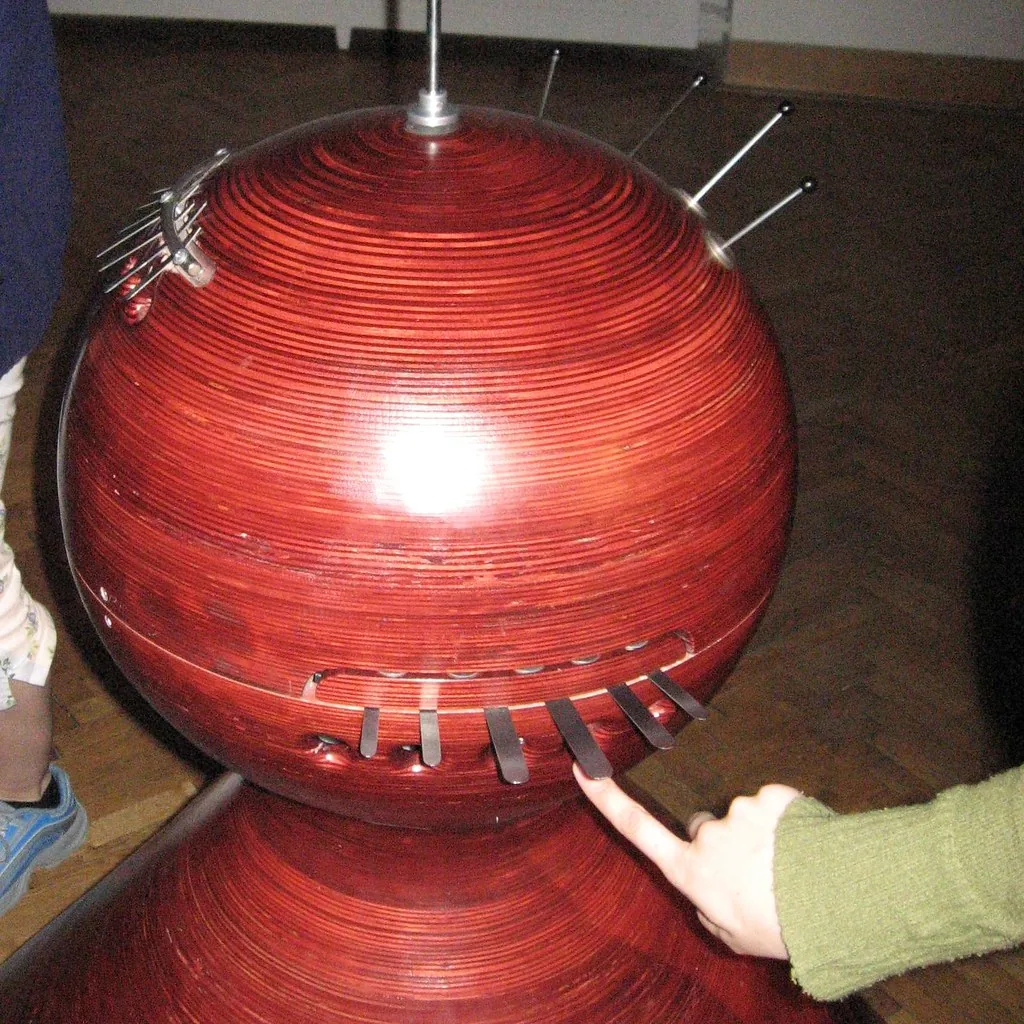
With practice and patience, you will be able to play beautiful melodies on your Kalimba using the right tabs and sheet music. So dive into the wonderful world of the Kalimba and let its music carry you away with the help of these valuable learning resources.
Conclusion
Holding a Kalimba correctly and mastering playing techniques will allow you to play this instrument with ease and explore different melodies and chords. By tuning your Kalimba correctly and using suitable tabs or sheet music, you can progress in your practice and develop your own musical style. Remember to practice regularly and have fun with your Kalimba so you can fully enjoy this unique musical experience.
For more information on playing the Kalimba, you can consult this step-by-step beginner guide from Kalimba Online. This guide offers additional advice and more advanced techniques to improve your Kalimba playing skills.
Feel free to explore different online resources, such as tutorial videos and player communities, where you can exchange advice and ideas with other Kalimba enthusiasts. With practice and perseverance, you can become an accomplished player and express your creativity through this fascinating instrument.