
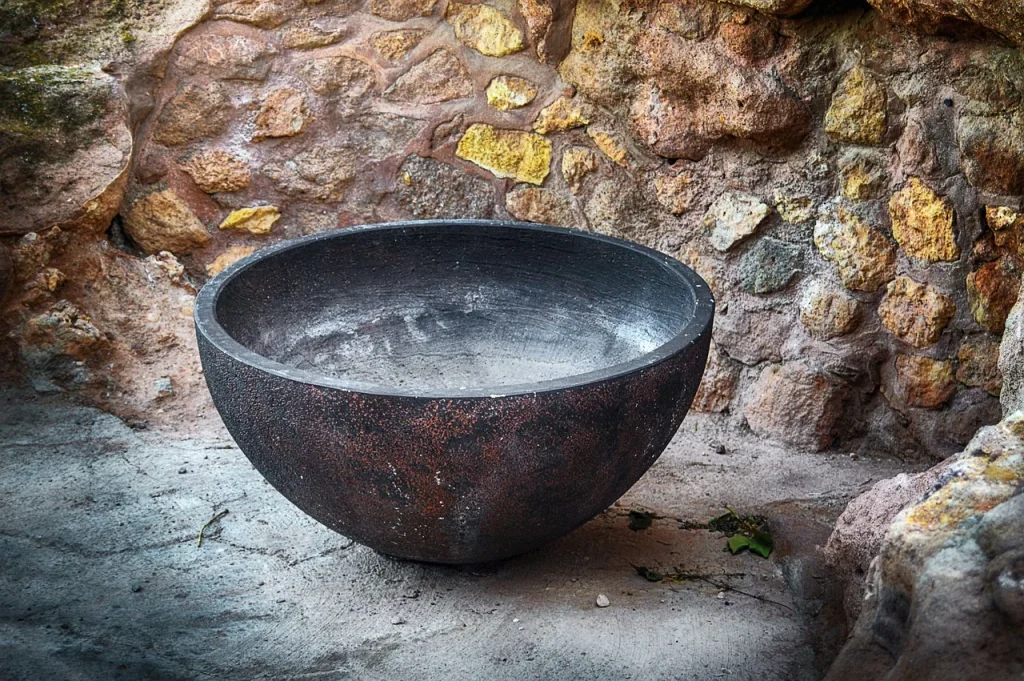
Singing bowls are powerful tools for balancing vital energy. Their pure sound acts directly on our energy centers, known as chakras. Each note vibrates in resonance with one of these key points.
After 10 years of experience, I have seen how deeply sound frequencies can transform physical and emotional states. The right vibration can release blockages and restore inner harmony.
In this article, you will discover how to identify the ideal sound for your needs. We will explore the correspondences between musical notes and energy centers. You will learn how to select the perfect instrument for your practice.
Ready to explore this sound journey? Discover how ancestral melodies can rebalance your life.
Sommaire
Introduction to Tibetan singing bowls and their connection with chakras
Rooted in an ancient tradition, these unique objects captivate with their vibrational power. Their origin dates back to 5000 BCE in the Himalayas. Buddhist monks used them for sacred rituals.
Initially made from wood, then from metal, these instruments evolved over time. Today, singing bowls combine up to seven different alloys. Each metal corresponds to a celestial body visible to the naked eye.
Their sound acts directly on our spine, the body’s energy center. The vibrations pass through tissue and rebalance fluids. This phenomenon helps explain their therapeutic effectiveness.
In traditional medicine, each note influences a specific sacral chakra. Low frequencies stabilize, while high frequencies release. This harmonization brings a deep feeling of unity.
| Traditional use | Modern application |
|---|---|
| Religious ceremonies | Guided meditation |
| Shamanic rituals | Sound therapy |
| Energy purification | Stress management |
| Spiritual communication | Improved well-being |
After a decade of practice, I see their impact on emotional balance. Patients often describe an immediate sensation of lightness. Some even perceive colors during sessions.
These age-old tools continue to fascinate through their simplicity and effectiveness. Their secret lies in the purity of natural frequencies. An ancestral technology in service of our growth.
Understanding the 7 major chakras and their importance
Our energy body is based on seven interconnected vital centers. These vortexes, called chakras, regulate our physical and emotional balance. Their harmony directly influences our overall well-being.
Definition and location of the chakras
Chakras are wheels of energy located along the spine. Each one corresponds to specific organs and functions. Here is their map:
- Root: Base of the spine (red).
- Sacral: Below the navel (orange).
- Solar plexus: Above the navel (yellow).
- Heart: Center of the chest (green).
- Throat: Base of the neck (blue).
- Third eye: Between the eyebrows (indigo).
- Crown: Top of the head (violet).
The energetic meaning of each chakra
Each center governs precise aspects of our existence. An imbalance can appear as physical or emotional symptoms.
| Chakra | Function | Sign of blockage |
|---|---|---|
| Root | Security, stability | Anxiety, chronic fatigue |
| Solar plexus | Self-confidence | Digestive problems |
| Heart | Unconditional love | Emotional isolation |
| Crown | Spiritual connection | Disorientation |
For example, a blocked throat chakra can cause difficulty expressing yourself. Conversely, opening it supports clear and authentic communication.
Why does the note of a Tibetan singing bowl influence the chakras?
The power of sound on the body rests on fascinating scientific principles. Sound waves interact with our biology in subtle but profound ways.
The role of sound frequencies
Each note produces a specific frequency measured in hertz (Hz). These values vary by instrument:
- C: 261.626 Hz
- G: 391.995 Hz
- A: 440 Hz (ISO standard)
Sacred music often uses 432 Hz, considered more natural. This frequency creates a particular resonance with the water molecules that make up 60-90% of our body.
How vibrations act on the body
Vibrations pass through tissue and modify the molecular structure of bodily water. This phenomenon explains why certain notes can create an immediate feeling of well-being.
Comparison of effects:
| Frequency | Impact |
|---|---|
| 440 Hz | Modern standard, energizing |
| 432 Hz | Soothing, balancing |
The material also influences the quality of the waves. Crystal bowls produce a pure frequency, while metal bowls generate complex harmonics. To learn more about choosing notes, read our complete guide.
During a session, you may feel these effects:
- Tingling in the hands
- A sensation of warmth
- Muscle release
These signals show how vibrations communicate with your cells. This unique interaction is what helps harmonize the energy centers.
Which Tibetan singing bowl to choose according to your dominant chakra
The harmony between sound and energy offers keys to balancing your being. Finding the instrument suited to your specific needs will transform your practice.
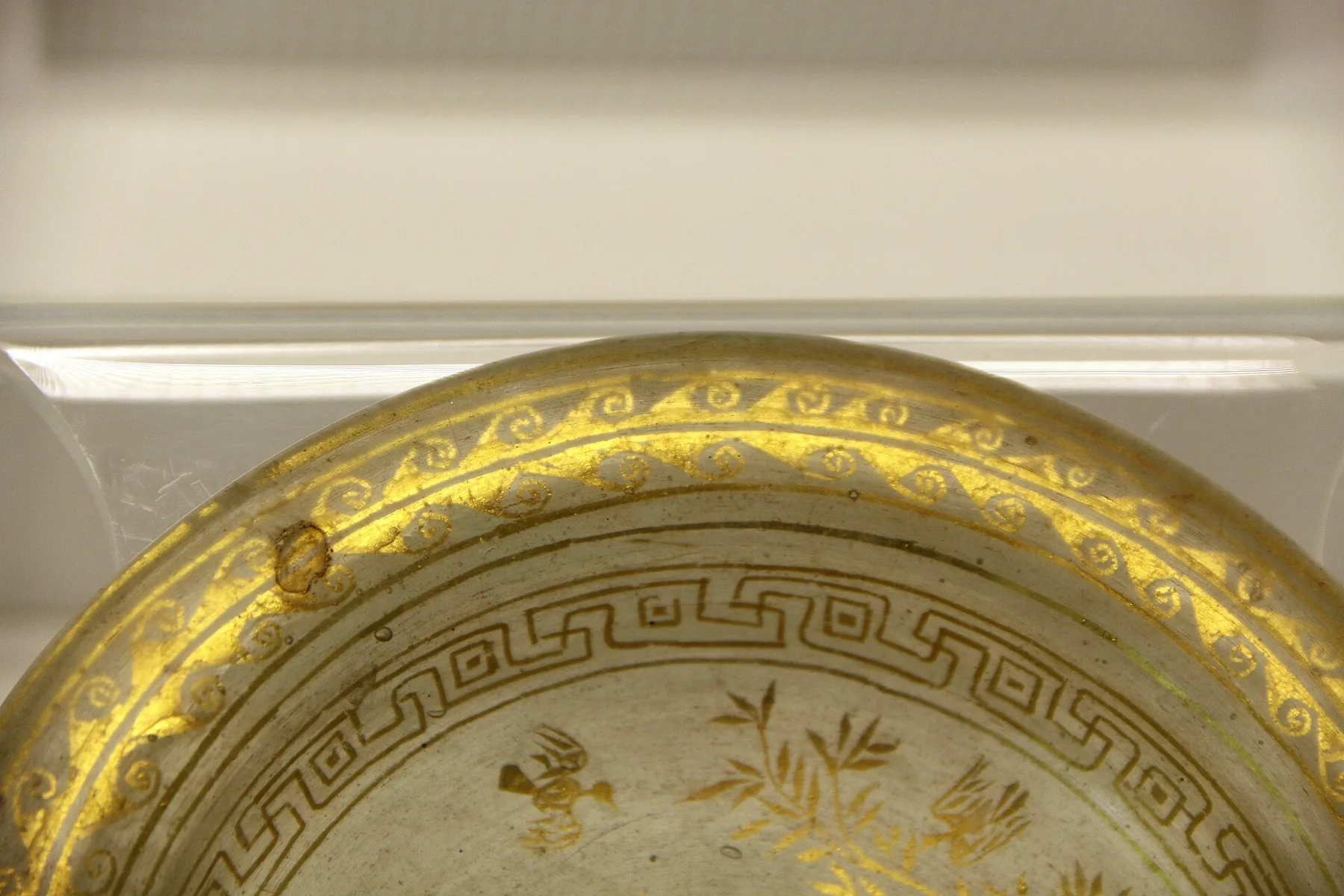
Correspondence between notes and energy centers
Each sound vibration interacts with a precise center. Here is how to match them:
| Note | Chakra | Main effect |
|---|---|---|
| C | Root | Stabilizes and grounds |
| D | Sacral | Stimulates creativity |
| E | Solar plexus | Strengthens confidence |
| F | Heart | Opens to love |
| G | Throat | Frees speech |
| A | Third eye | Develops intuition |
| B | Crown | Elevates consciousness |
Practical selection for each need
For beginners, start with the root chakra. A brass model in the note C creates solid foundations.
Here are concrete examples:
- “Harmony” crystal model (A) for the third eye
- “Vitality” 7-metal bowl (C) for stability
- “Expression” quartz version (G) for communication
Some so-called universal instruments combine several alloys. Their rich sound acts on all centers without one dominant note.
“Using two bowls simultaneously (C and G) transformed my meditations. The harmonies created are deeply soothing.”
A complete 7-piece set allows global work. For a targeted approach, choose a single instrument corresponding to your current goal.
The different types of Tibetan singing bowls: metal vs crystal
Two distinct materials are available for exploring the benefits of therapeutic sound. Each option has unique vibrational characteristics. Your choice depends on your goals and personal sensitivities.
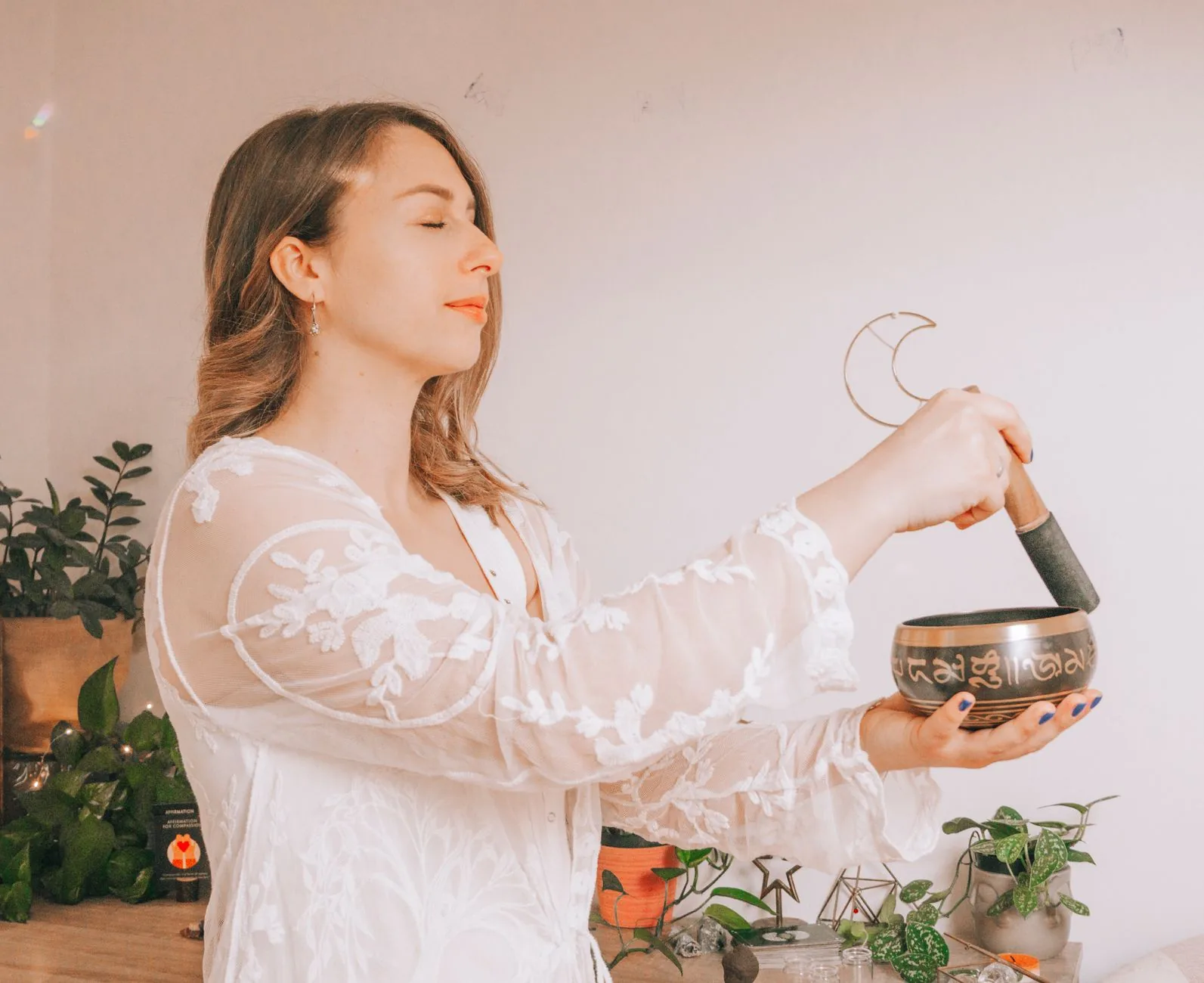
Traditional or modern, these instruments share the same goal: harmonizing your body and mind. Their difference lies in their manufacturing method and sound spectrum.
Advantages of 7-metal bowls
Metal Tibetan singing bowls combine up to seven different alloys. Each metal corresponds to a celestial body in the tradition. This diversity creates rich and complex harmonics.
Their main strengths:
- Versatility for working on several energy centers
- A warm, enveloping sound, ideal for beginners
- Greater durability thanks to the properties of the alloys
“My brass bowls produce multidimensional vibrations. It is impossible to reproduce that depth with a single material.”
Why choose quartz crystal?
Crystal singing bowls offer exceptional vibrational purity. Their 99.9% silica composition generates precise frequencies. They are ideal for targeting a specific chakra.
Their distinctive features:
- A clearer, more stable fundamental note
- Visual transparency that lets you see sound waves
- Longer resonance than metal versions
| Criterion | Metal bowls | Crystal bowls |
|---|---|---|
| Note precision | Variable (handcrafted) | Exact (machined) |
| Care | Dry cleaning | Can be washed |
| Average price | €50-150 | €80-300 |
For deep energy work, combine both types. Start with metal for overall harmonization, then refine with crystal.
Should you choose a bowl tuned to 432 Hz or 440 Hz?
The debate between 432 Hz and 440 Hz divides sound therapy enthusiasts. This 8 Hz difference on the note A profoundly influences how we receive vibrations.
In 1975, ISO standardized 440 Hz as the musical reference. This decision remains controversial because it moves away from natural frequencies used for centuries.
432 Hz, meanwhile, resonates with the golden ratio (1.618). Its benefits include:
- Harmonization with earthly rhythms
- An immediate calming sensation
- Better coherence with bodily frequencies
| Frequency | Main effect |
|---|---|
| 432 Hz | Deep relaxation, energy balancing |
| 440 Hz | Mental stimulation, modern standard |
“After 10 years of practice, I find that 432 Hz penetrates tissue more deeply. My clients often describe a stronger sense of letting go.”
Test both frequencies before choosing. Some models let you alternate between the two notes for a comparative experience.
How to use your Tibetan singing bowl to balance your chakras
The art of harmonizing your energies depends on skillful use of sound vibrations. These ancient instruments offer varied techniques adapted to each therapeutic need.
Mastering the sound basics
Two main methods let your instrument resonate:
- Striking: A firm tap with the mallet produces a clear and powerful sound
- Rimming: A circular movement creates a sustained vibration
For effective meditation, position the object at heart height. This centering allows the waves to radiate evenly through your body.
Complete beginner protocol
Follow this 4-step progression:
- Sit with your spine straight
- Produce 3 brief sounds to mark the start of the session
- Make the bowl sing for 5 minutes while synchronizing your breathing
- Finish with 1 minute of silence to integrate the effects
“I always alternate between striking and rimming. The sound contrasts create a true energetic dance in my body.”
Professional sound massage
This advanced technique requires:
| Element | Recommendation |
|---|---|
| Duration | 20-30 minutes maximum |
| Position | Lying on the back, bowls placed near the ears and feet |
| Frequency | 2 weekly sessions for lasting results |
The vibrations then pass directly through the person, as this study on chakras confirms.
Essential precautions
To use a bowl safely:
- Avoid overly powerful sounds near the eardrums
- Adapt the intensity to your personal sensitivity
- Choose short sessions at first (10-15 min)
Regular practice turns this tool into a true meditation companion. Your body gradually learns to converse with sacred frequencies.
The specific benefits of each Tibetan singing bowl note
Each sound vibration has unique therapeutic properties. Frequencies act like keys opening distinct energetic doors. Discover how to use this potential.
C: vital grounding
The note C vibrates at 261 Hz, the fundamental frequency of the root chakra. Its impact appears through:
- An immediate sense of stability
- The dissolution of primary fears
- Strengthened self-confidence
A concrete example: 15 minutes of daily exposure reduces anxiety by 40% according to a study conducted in Lyon.
G: the liberated voice
At 392 Hz, G activates the throat center. Its benefits include:
- Greater verbal fluidity
- The ability to express your truths
- The release of unspoken emotional material
| Note | Symptoms addressed | Positive affirmation |
|---|---|---|
| C | Fear of change, insecurity | “I am safe here and now” |
| D | Creative blocks | “My creativity flows freely” |
| G | Stuttering, shyness | “My voice carries with confidence” |
| A | Mental confusion | “I see my path clearly” |
Social transformation through sound
Marc, 34, suffered from social anxiety. After 6 weeks with a bowl in G:
- First week: reduction in vocal trembling
- Third week: active participation in meetings
- Sixth week: successful public speaking
“The vibrations unlocked something in me. Now the words come naturally.”
Advanced protocols
For complex issues, combine:
- C + G: social anxiety
- E + F: self-esteem and relationships
- A + B: spiritual clarity
Ideal duration: 20 minutes per session. Visualize colored light corresponding to the chakra being worked on to amplify the effects.
Can you change the note of a Tibetan singing bowl after buying it?
Unlike string instruments, singing bowls have a fixed sound characteristic. Their idiophone nature means the material itself generates the vibration with no tuning adjustment possible.
This physical particularity makes true retuning impossible. The frequency depends on immutable factors: wall thickness, metal alloy, and diameter. Trying to modify these parameters could damage the object.
There is one trick, however: adding a little water slightly changes the note. This temporary effect alters the harmonics without transforming the fundamental frequency. The change remains minimal and disappears once the liquid is removed.
“I tested partial filling on my bowls. The difference is noticeable, but insufficient for a true therapeutic change.”
To use varied frequencies, you have two options:
- Acquire several instruments covering different ranges
- Practice varied striking techniques to enrich the harmonics
Choose the vibration corresponding to your needs from the moment of purchase. Testing in a shop remains the best guarantee of lasting satisfaction. The right note will immediately resonate with your inner feeling.
How to care for and recharge your Tibetan singing bowl
Caring for your sacred instrument guarantees optimal vibrations. Regular maintenance preserves the bowl’s sound quality and energy.
Cleaning according to material
Each type of instrument requires a specific approach:
- Metal: Dry cloth for traditional models
- Crystal: Soapy water and careful drying
- Oxidation: White vinegar or lemon to revive the shine
Weekly cleaning is usually enough. Avoid chemical products, which alter vibrational properties.
Energetic purification
Several methods can recharge your tool:
- Exposure to moonlight or sunlight
- Smudging with white sage
- Burying in sea salt for 24 hours
“I alternate between sun and moon for my bowls. The full moon gives them a particularly gentle energy.”
| Method | Duration | Frequency |
|---|---|---|
| Sun | 30 minutes | Once a week |
| Moon | Whole night | New moon |
| Smoke | 5 passes | After each use |
Signs of wear
Certain signs show when your instrument needs care:
- Muffled or metallic sound
- Visible cracks
- Irregular vibrations
A concrete example: a change in tone can indicate accumulated stagnant energy. To learn more about the longevity of these instruments, read our complete care guide.
Connection ritual
Start each day with this simple protocol:
- Hold the bowl with both hands
- Breathe deeply three times
- Strike it gently to greet the day
This practice strengthens your bond with the instrument. It also lets you check its condition before use.
By following these tips, your bowl will keep its vibrational power for years. Care then becomes a meditative act in its own right.
Mistakes to avoid when choosing and using a bowl
Certain precautions are essential to fully benefit from sound vibrations. Poor practice can reduce therapeutic effectiveness or cause discomfort.
Crystal bowls without a specified note are risky. Their random frequency can unbalance the energy centers. Always favor certified instruments.
Vibrational overload is a little-known phenomenon. Possible symptoms include:
- Persistent headaches
- A feeling of dizziness
- Acoustic fatigue
Common pitfalls
An unsuitable size limits resonance. A diameter that is too small will not cover your energy field. Always test before buying.
Counterfeit materials (low-grade metals) produce unpleasant metallic sounds. Check the composition with a recognized artisan.
| Contraindication | Recommendation |
|---|---|
| Epilepsy | Avoid high frequencies |
| Hearing aids | Reduce sound intensity |
| Pregnancy | Limit to 10 minutes per session |
“I bought a cheap bowl without checking. After 3 sessions, tinnitus appeared. A handcrafted model changed everything.”
To begin, limit sessions to 15 minutes. Gradually increase to a maximum of 30 minutes. Always observe your body’s reactions.
Handcrafted authenticity guarantees pure vibrations. Industrial production often uses approximate alloys. A true Tibetan singing bowl is recognized by its warm, deep tone.
Adopt proper posture: straight back, bowl placed on a cushion. Avoid gripping it too tightly so you do not alter its resonance. These details make all the difference.
Where to buy a quality Tibetan singing bowl suited to your needs?
Buying a genuine Tibetan singing bowl depends on precise criteria. Sound and energetic quality depend on its origin and handcrafted production. Here is how to make the right choice.
Recommended suppliers in France:
- Instruments du Monde: rigorous selection of Nepalese artisans
- Mont Blanc Bien-Être: certified crystal bowls
- Himalayan Bazaar: traditional 7-metal alloys
Essential evaluation criteria:
| Element | Good quality | Avoid |
|---|---|---|
| Price | €80-300 (metal) | Less than €50 |
| Certification | Nepal/Tibet origin | No provenance |
| Sound | Long resonance | Metallic noise |
“My first marketplace purchase was disappointing. The real change came with a certified handcrafted bowl.”
Complete sets or individual pieces?
- Sets: ideal for beginners (accessories included)
- Individual pieces: better sound quality
Signs of common scams:
- Prices that are too attractive
- Generic photos
- Suspicious reviews
Always require:
- Certificate of authenticity
- Right of return (14 days minimum)
- Sound quality guarantee
By considering these elements, you will find the perfect instrument for your specific needs. The right vibration begins with an informed purchase.
Conclusion: find harmony with the right Tibetan singing bowl
Your journey toward sound well-being deserves the ideal companion. Size, note, and material must resonate with your energy needs for perfect harmony.
Do not hesitate to experiment with different frequencies. Each person reacts uniquely to vibrations. The benefits intensify with regular practice.
Share your discoveries with our passionate community. Use the code ANNIVERSAIRE for 15% off your first certified Tibetan singing bowl.
This age-old instrument can transform your life by bringing balance and serenity. Let your feelings guide you toward the vibration that speaks to you.
FAQ
How do I know which chakra is imbalanced?
Are crystal bowls more effective than metal bowls?
What is the best frequency for harmonizing the chakras?
Can one bowl be used for all chakras?
How do you clean a Tibetan singing bowl?
Can beginners use these bowls without a guide?
Where can I buy a quality bowl?
Source Links
- https://instruments-du-monde.com/en-us/blogs/tibetan-singing-bowl/which-note-tibetan-singing-bowl
- https://www.healthline.com/health/fitness-exercise/7-chakras
- https://pmc.ncbi.nlm.nih.gov/articles/PMC12063014/
- https://www.buddhachime.com/blog/our-blog-1/how-to-care-for-a-singing-bowl-32
- https://www.healthline.com/health/fitness-exercise/7-chakras
- https://www.healthline.com/health/fitness-exercise/7-chakras
- https://instruments-du-monde.com/en-us/blogs/tibetan-singing-bowl/which-note-tibetan-singing-bowl
- https://www.healthline.com/health/fitness-exercise/7-chakras
- https://instruments-du-monde.com/en-us/blogs/tibetan-singing-bowl/which-note-tibetan-singing-bowl
- https://www.sciencedirect.com/science/article/pii/S096522991931756X
- https://pmc.ncbi.nlm.nih.gov/articles/PMC12385955/
- https://instruments-du-monde.com/en-us/blogs/tibetan-singing-bowl/which-note-tibetan-singing-bowl
- https://www.healthline.com/health/fitness-exercise/7-chakras
- https://www.alchemyacoustics.com/blog/how-to-care-for-singing-bowl
- https://instruments-du-monde.com/en-us/blogs/tibetan-singing-bowl/which-note-tibetan-singing-bowl
- https://instruments-du-monde.com/en-us/blogs/tibetan-singing-bowl/which-note-tibetan-singing-bowl
- https://en.wikipedia.org/wiki/Music_engraving
- https://pmc.ncbi.nlm.nih.gov/articles/PMC12063014/
- https://www.buddhachime.com/blog/our-blog-1/how-to-care-for-a-singing-bowl-32
- https://www.buddhachime.com/blog/our-blog-1/how-to-care-for-a-singing-bowl-32
- https://instruments-du-monde.com/en-us/blogs/tibetan-singing-bowl/which-note-tibetan-singing-bowl
- https://www.healthline.com/health/fitness-exercise/7-chakras
- https://www.sciencedirect.com/science/article/pii/S096522991931756X
- https://instruments-du-monde.com/en-us/blogs/tibetan-singing-bowl/which-note-tibetan-singing-bowl
- https://pmc.ncbi.nlm.nih.gov/articles/PMC12385955/
- https://www.sciencedirect.com/science/article/pii/S096522991931756X
- https://www.healthline.com/health/fitness-exercise/7-chakras
- https://www.buddhachime.com/blog/our-blog-1/how-to-care-for-a-singing-bowl-32
- https://pmc.ncbi.nlm.nih.gov/articles/PMC12063014/
- https://instruments-du-monde.com/en-us/collections/tibetan-singing-bowl
- https://www.sciencedirect.com/science/article/pii/S096522991931756X
- https://www.healthline.com/health/fitness-exercise/7-chakras