
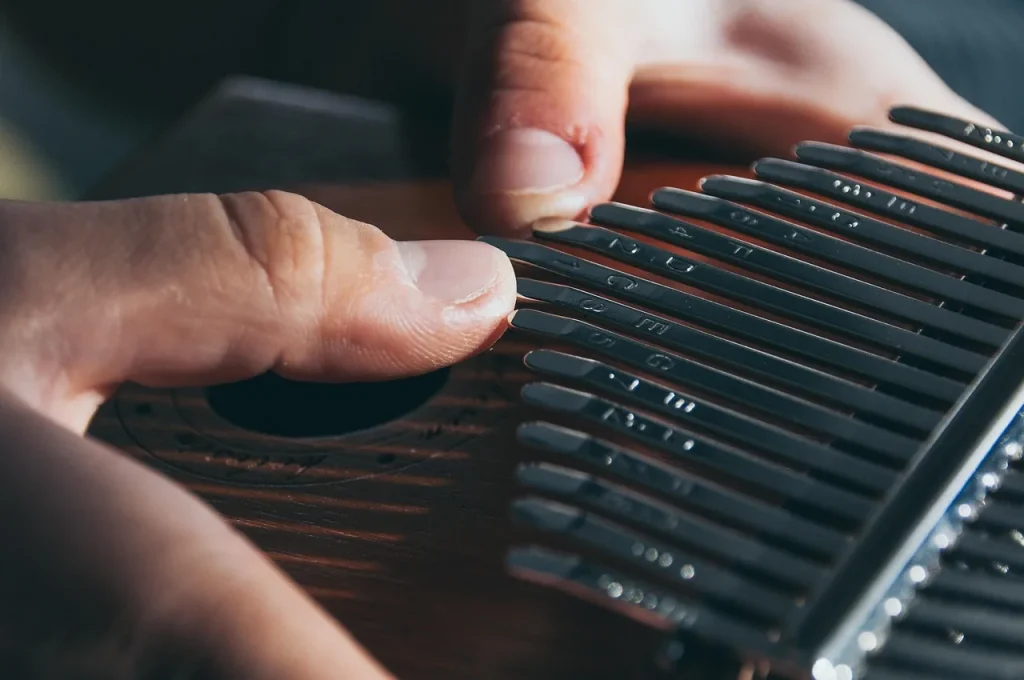
One of the most important things to remember about the kalimba is maintenance. As with any other instrument, you will need to take care of your kalimba if you want it to last a long time and preserve its sound quality.
Fortunately, cleaning and maintaining your instrument is not complicated, and you can do it yourself. The important thing is to clean it regularly so the kalimba always stays in perfect condition.
Sommaire
How to clean the wood
Kalimbas are mainly made of wood, and the process is similar to cleaning any other wooden instrument, such as a violin or a guitar. Of course, there are other types of kalimbas, and we will talk about them later, but most of the time, kalimbas have a wooden resonator that you will need to clean and maintain.
One of the main issues with kalimbas is that you will never know exactly what types of products the manufacturers used, unless you get a custom instrument from a craftsperson you know.
But one thing you can easily find out is the type of wood used to make your kalimba. That is what will determine the type of product you use to clean the instrument.
If it is a regular cleaning, to be done every two weeks, you can use a dry cloth to make sure there is no dust or dirt on the surface of the kalimba.
However, from time to time, you should do a deep clean, during which you can use different types of products. The first thing to consider is the finish, which you will recognize by the shiny surface of the wood or by a different color.
Whatever the type of finish, you will still need to “feed” the wood to help it resonate. Oils and butter are an excellent way to nourish wood, but be careful not to saturate it.
Examples you can try for unvarnished instruments include shea butter or almond oil, which you can look up through the links below.
You can always “wash” the wood using a paper towel or a piece of cloth dampened with warm water. If you wish, you can also add a little soap to the water to make sure everything is spotless.
Remember to be gentle with your instrument, because you do not want to remove the waxes, oils, or finish. If you use warm water on a cloth to clean the kalimba, wipe it with a dry cloth or towel as soon as you are done.
How to clean the tines
Cleaning the wood is only one step in the overall process. As you can guess, you will also need to clean the tines.
For regular cleaning every two weeks, you can use a cleaning cloth to remove dust or dirt. If you clean your kalimba regularly, you will have no trouble doing a more thorough cleaning every couple of months.
As for products, you can use warm water with a little soap. The only important thing with this method is to wipe the tines or dry them to prevent rust.
Most often, there are two types of tines on a kalimba. The first type is painted. If your keys are painted, a damp cloth will be enough to clean them. You will not need to use any special products.
As with any other method, make sure the instrument is completely dry once cleaning is finished.
The second type you may come across is unpainted. The easiest way to clean this type of tine is to use an ink eraser. Yes, you read that correctly.
An ink eraser can work wonders on the tines. Since the eraser itself is slightly abrasive, it will both clean and polish the metal keys. The reason you can use an ink eraser is that it is made of sand and rubber, which can clean metal in no time.
Finally, you can also use mineral oil to clean the metal, but make sure you use it only on the metal. These types of products do not work well with wood.
How to keep the tines from rusting
The most common problem tines can encounter is rust. Rust can appear on them if they are exposed to oxygen and moisture. Our skin has its own “oils,” and many people sweat while playing, which, combined with oxygen, can cause rust.
So how do you prevent rust from appearing on the tines? The only way to keep the tines from rusting is to clean the kalimba properly and regularly. Ideally, you should wipe the instrument and the tines after every playing session.
The whole process will take only a few seconds, and you can avoid unnecessary repairs that become necessary when rust appears.
By wiping your instrument after each use, you will no longer have to worry about rust appearing on the kalimba’s metal surfaces. It is important not to forget to dry the tines if you use water or any other product to clean them.
How to remove rust
You may be wondering whether there is anything you can do to remove rust that has already appeared on your instrument. The answer is yes. There are several methods you can try, and they can be effective if the instrument is not too badly damaged yet.
If rust appears on the tines, it does not mean you did something wrong: you may simply have forgotten about the humidity in your home or your city. Whatever the reason, you will need to act as quickly as possible to avoid further damage to your instrument.
But before going any further, you do not need to worry about your instrument’s health. Even if there is a little rust on the tines, chances are there will be no significant difference in the sound. In most cases, the only problem you might have with the kalimba is visual.
So let us talk about cleaning. Depending on the level of rust on the tine or tines, you may need to take the instrument apart. The easiest way to remove rust is to use steel wool, mineral oil, or sandpaper. If there are only a few spots, you can probably use an ink eraser to remove them.
Painted tines may show signs of rust, and if that is the case, you may need to remove the paint to clean them properly. However, if that seems too complicated, you can always repaint the tines so the rust is no longer visible.
Instrument maintenance
Kalimba maintenance is one of the most important things you need to do. We have already mentioned how useful it would be to wipe it after each session, but there are several other things you need to take into account.
Taking care of your kalimba also means finding a place to store the instrument when you are not playing it. Some models come with a protective case, and if you do not have one, you should definitely consider getting one.
Not only will the case protect the instrument from damage, but you can also add silica gel to store with the instrument and protect it from moisture.
Another important part of kalimba maintenance is tuning: you should always keep your instrument in tune if you want it to sound good.
In addition, you should always let your instrument “get used to” a new temperature. If you have traveled, you may have gone from hot to cold, or vice versa. Always let the case and the instrument adjust to the new temperature before opening it and playing.
It is always important to take care of the kalimba, and if you follow these steps, you have a strong chance of avoiding problems and unnecessary repairs.
In addition to protective cases, you can always get a hygrometer to make sure the humidity is always right and that there is no cause for concern.
Humidity
As we have already mentioned, there are several factors related to humidity and various ways to regulate it. The main issue with the kalimba is your location. Depending on where you live, humidity can be high or low, and it may be different from what the wood is used to.
If the wood comes from a tropical region of the world, anything that is not tropical can cause problems.
There are several ways to regulate humidity, and if you already have a hygrometer, you can check the levels and you will know what to do. The easiest way to humidify your room is to take a dish and fill it with water.
The water will evaporate, and you will notice that the air is less dry. But the main problem with this method is that you will have no control over how quickly the water evaporates.
Humidifiers and dehumidifiers are an obvious choice, but they can be expensive, and you may not want to invest that much. In any case, humidity can lead to rust, but it can also be important for the wood.
The ideal humidity for a kalimba is between 40% and 60%, and temperatures between 18 and 25 degrees Celsius.
Since changing location just to play the kalimba may seem excessive, adding or removing humidity is probably a better solution.
What to avoid
Taking care of a kalimba is not that complicated, and a simple occasional wipe can work wonders. However, there are several things you need to avoid if you want to keep your instrument in perfect condition.
The first thing is to avoid leaving your kalimba outside or in a vehicle for a long period. The inside of a car can get quite hot, and if you feel it, your instrument feels it too. High temperatures can weaken the glue and even destroy the instrument by damaging or splitting the wood.
The same applies if you leave it outside. You should never leave the kalimba in sunlight for the same reasons. Needless to say, rain can also seriously damage the instrument. If you leave it in the rain, the tines may rust and the wood may swell, making your kalimba unplayable.
When it comes to cleaning, the best idea is to avoid using alcohol or other strong or harsh chemicals. Although these products are great for cleaning the bathroom, they could destroy something as delicate as a kalimba.
Always avoid using products if you are allergic to them. In addition, bitter almond oil can be toxic, so it is best to avoid it. Other types of oil that may cause an allergic reaction include macadamia nut oil, avocado oil, flaxseed oil, olive oil, walnut oil, and mineral oils for wood.
Some of these oils can cause a severe allergic reaction in certain people, such as peanut or groundnut oil.
Finally, you should never use too much force when cleaning your instrument. Even if you use a soft cloth, excessive force can damage the instrument’s finish. Take your time and be gentle. That way, the kalimba can stay both clean and beautiful.
Other types of kalimba
You have probably noticed that we have only talked about kalimbas made of wood. However, other materials are also used to make this instrument. Most modern kalimbas are made of wood, but it is still possible to find something else.
If your kalimba has a body made from a material other than wood, you may need to take a different approach to cleaning and maintenance. The most common type of kalimba that contains no wood is acrylic. These kalimbas are generally transparent and have no resonating box.
If you have one, or if you plan to buy one, cleaning is fairly simple. You will not have to worry about humidity, and you can use lukewarm water with a little mild soap.
As with other types, it is always best to avoid overly abrasive chemicals, such as glass cleaners, for example. You should also be gentle when cleaning it, because it is much easier to scratch the surface and damage it.
Finally, if you find a metal kalimba, not only with metal tines but also with a metal body, you should follow the instructions for cleaning the tines. Of course, you should always dry it before storing it and wipe it with a dry cloth once cleaning is finished.
In summary
Maintenance should be a priority for every kalimba owner. If you want your instrument to last a long time, you need to take care of it. There are two important parts when it comes to cleaning and maintaining this musical instrument. The first is the tines, the second is the body.
The tines are generally made of steel, and with proper maintenance, you can avoid rust or any other damage. Sandpaper, mineral oil, and even an ink eraser can work wonders for the tines. It is important to remember always to dry them and use a dry cloth after cleaning them.
If you wish, you can use water with a little soap to wipe the tines every couple of months, but make sure you dry them properly once you are done.
The other important part is, of course, the body. Usually, kalimba bodies are made of wood, but you can also find other materials. Depending on the type of wood, you can use oils or warm water to clean them.
Finally, storing your instrument correctly plays an important role in its health. If you can get a protective case, you will have a much easier time storing it and you will also be able to control the instrument’s humidity.
Learn how to relax with your instrument by reading our article about music therapy applied to the kalimba. You will be amazed by everything you can do with this instrument to help soothe yourself.