
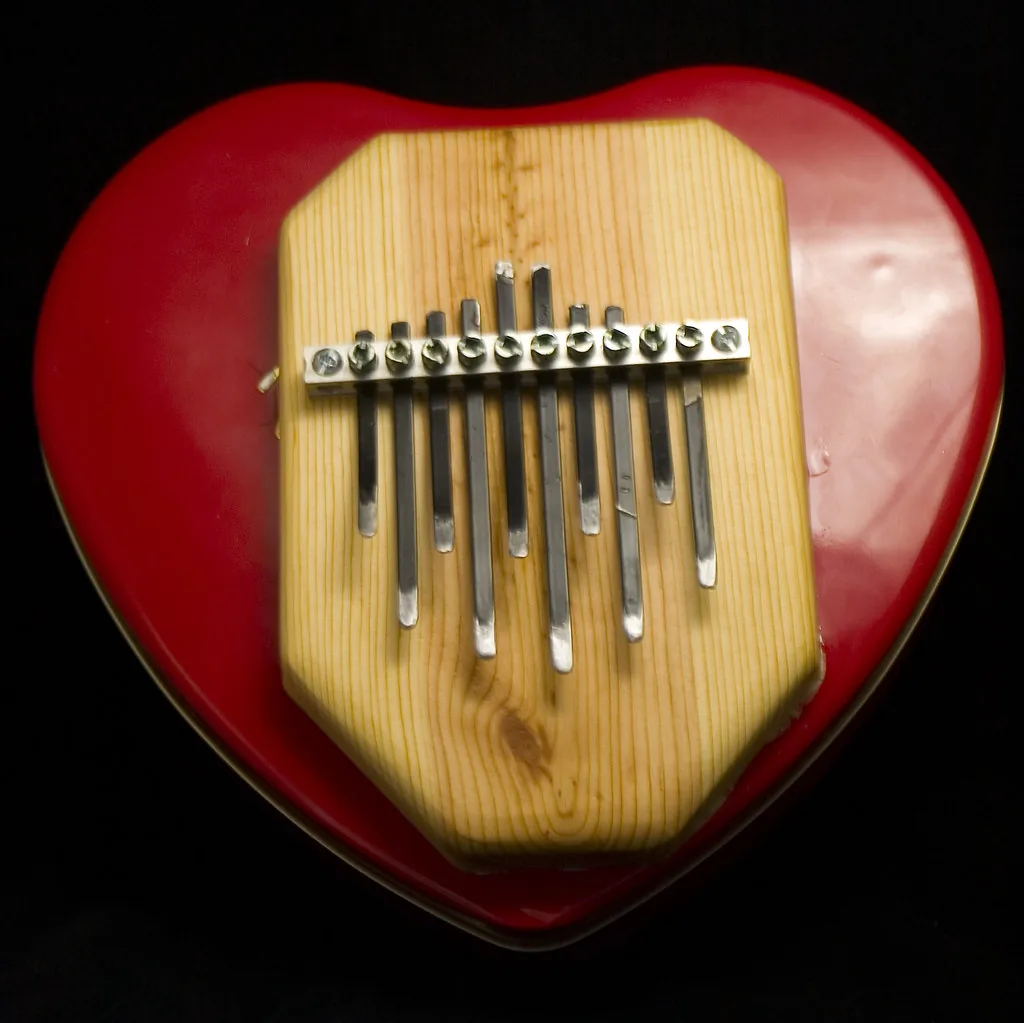
The kalimba is an African musical instrument, also known as a thumb piano. There are two main variants: the diatonic kalimba and the chromatic kalimba. These two types of kalimbas have different characteristics that can influence your choice depending on your needs and musical preferences. In this article, we will explore the differences between these two types of kalimbas to help you make an informed choice.
Sommaire
Understanding the difference between diatonic and chromatic
Diatonic:
A diatonic kalimba uses a diatonic scale, meaning it contains only the natural notes (C, D, E, F, G, A, B) without accidentals (sharps or flats). It is generally easier to play because it has fewer notes and helps avoid intonation mistakes. The diatonic kalimba is mainly used to play simple melodies and popular songs.
Chromatic:
A chromatic kalimba, on the other hand, offers a complete chromatic range with the 12 notes of the Western musical scale, including sharps and flats. It therefore makes it possible to play any melody in any key, which makes it ideal for more advanced musicians or those who want to experiment more with their kalimba. The chromatic kalimba is also suitable for playing more complex pieces and original compositions.
The advantages of the diatonic kalimba
One of the main reasons people choose a diatonic kalimba is its simplicity. With only seven notes per octave, it is easy for beginners to learn and play. In addition, the tines are generally larger and more widely spaced on a diatonic kalimba, which can make playing easier for people with larger fingers or those who struggle to reach the smaller tines of a chromatic kalimba.
The diatonic kalimba is also more affordable than the chromatic version, because it requires fewer materials and less work to make. If you are an amateur musician or simply want to try the kalimba to see whether you enjoy it, it may be wise to start with a diatonic kalimba.
The advantages of the chromatic kalimba
The chromatic kalimba offers greater versatility than the diatonic one, because it allows you to play in any key and explore all the harmonic possibilities offered by the Western musical scale. This makes it an excellent choice for experienced musicians or those who want to push the limits of their creativity.
In addition, the chromatic kalimba can also be more interesting to play, because it offers more possibilities for melodies and harmonies. If you are an advanced musician or you want to develop your technique and understanding of music theory, a chromatic kalimba could be the best choice for you.
The kalimba for music therapy
The kalimba is an instrument often used in music therapy for its soothing and relaxing effects. Whether to help babies sleep, reduce stress, or relieve anxiety, the kalimba is an excellent therapeutic tool. In general, the diatonic kalimba is preferred in music therapy because it produces simple, harmonious melodies that are easy to access and pleasant to listen to.
Conclusion:
Ultimately, the choice between a diatonic kalimba and a chromatic kalimba will depend on your needs, your skill level, and your musical goals. If you are a beginner or you are looking for a simple, affordable instrument to get started with music, the diatonic kalimba is probably the best choice for you. On the other hand, if you are an experienced musician or you want to explore all the possibilities offered by this unique instrument, the chromatic kalimba may be better suited to your needs.
Would you be interested in learning from an existing song so you can adapt it for the kalimba? That is what this specialized article on arranging melodies for thumb piano offers. You will then be able to play any pieces you like.