
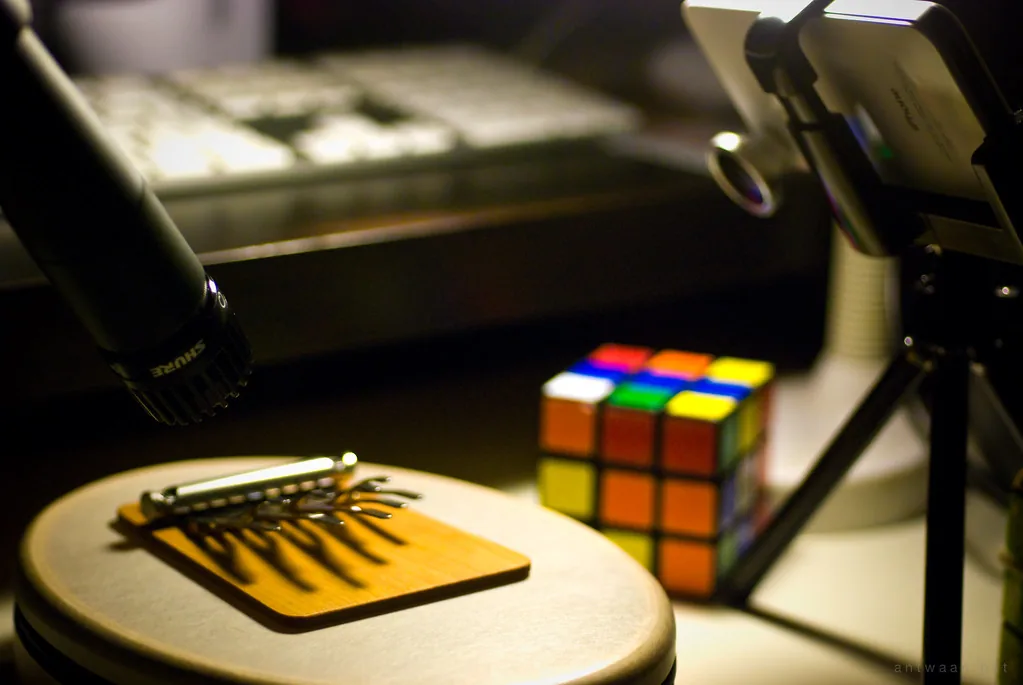
The kalimba, also known as the thumb piano, is an African musical instrument prized for its unique sound and expressive possibilities. To make the most of the performances this instrument can offer, it is essential to have a good microphone. In this article, we will explain why a microphone is useful for the kalimba and review its different characteristics.
Sommaire
Why the kalimba needs a suitable microphone
Why use a dedicated microphone for the kalimba? The answer lies in the very nature of the instrument. The small metal tines that make up the kalimba are struck with the thumbs, producing vibrations that create the melody. However, these vibrations can be difficult to capture with a conventional microphone, especially if you want to play in front of an audience or record your music.
A kalimba microphone is therefore needed to amplify the instrument’s sound and provide a clearer reproduction of the notes being played. In addition, a suitable microphone will reduce unwanted noise and deliver optimal sound quality for your performances or recordings.
The different types of microphones for kalimba
There are several kinds of kalimba microphones on the market, each with its own advantages and drawbacks. Here are the main types of microphones you are likely to encounter:
- Condenser microphones: they are very sensitive and provide excellent sound reproduction, but they can also pick up external noise if your environment is not perfectly quiet.
- Dynamic microphones: less sensitive than condenser microphones, they are nevertheless sturdier and less likely to be damaged by humidity or heat. They are also less expensive.
- Contact microphones: as their name suggests, these microphones attach directly to the body of the kalimba, capturing the instrument’s vibrations with precision. They provide faithful sound reproduction and are not very sensitive to ambient noise.
Do not hesitate to try several types of microphones and compare the results to determine which one best suits your needs and budget.
How to choose the right microphone for kalimba
Now that you know the different categories of microphones for kalimba, here are a few criteria to consider when making your choice:
Compatibility with your instrument
Not all microphones necessarily fit every kalimba model. Make sure the microphone you are considering buying is compatible with your instrument. Some manufacturers offer kits specially designed to fit different kalimba sizes, which can be an advantage if you own several instruments or plan to acquire others in the future.
Ease of installation and use
A good kalimba microphone should be easy to install on your instrument and simple to use. Give preference to products with practical, reliable mounts or fastening systems. Also make sure the cable is long enough for comfortable use during your performances or recordings.
Sound quality
The most important criterion when choosing a microphone for kalimba is, of course, the sound quality it offers. To assess this, do not hesitate to read user reviews or ask professionals for advice on the brands and models that perform best in this respect.
Useful accessories for your kalimba microphone
In addition to the microphone itself, certain accessories can be very useful for improving your musical experience with the kalimba:
- An amplifier : if you want to play in public or record your music, adding an amplifier will allow you to obtain enough volume for your kalimba to be heard clearly.
- A microphone stand: to make your kalimba microphone easier to use, consider investing in a quality stand that will hold the microphone in place and allow you to adjust the distance between it and the instrument.
- Pop filters: these accessories are especially useful for condenser microphones, as they reduce unwanted noise and improve the sound quality of your recordings.
In conclusion, choosing the right microphone for your kalimba is essential if you want to fully enjoy this many-faceted instrument. Do not hesitate to seek advice from professionals and try several models in order to find the one that best meets your expectations and budget.
It can happen that your kalimba’s tines buzz or do not sound in tune. In that case, you should follow the advice given in this article so that your instrument always produces melodious sounds.