
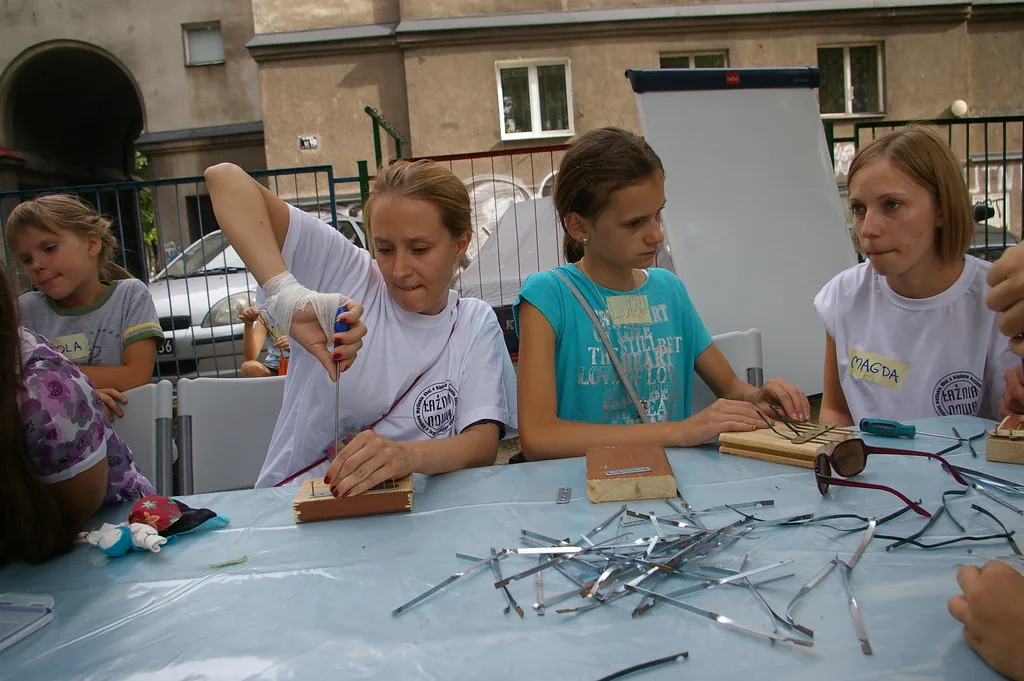
The kalimba, also known as a thumb piano or mbira, is a traditional African musical instrument that has become increasingly popular in recent years. This friendly, accessible instrument is ideal for children who want to take their first steps in music. In this article, we will introduce you to the different types of kalimbas for children and explain how to choose the one best suited to your young musician.
Sommaire
Why choose a kalimba for a child?
There are several reasons why the kalimba is an excellent instrument choice for children:
- Ease of use: with its wide, well-spaced tines, the kalimba is easy to play, even for small hands. Children can quickly learn to produce pleasant, melodic sounds.
- Portability: lightweight and compact, the kalimba can be taken wherever a child wants to make music, whether at school, at friends’ homes or on vacation. It also requires no external power source, which makes it even easier to use.
- Versatility: the kalimba can be used to play a wide variety of musical styles, including classical music, jazz, pop and, of course, traditional African music.
- Musical awakening: thanks to its simplicity, the kalimba helps children develop their sense of rhythm and harmony, as well as their fine motor skills and hand-eye coordination. It also encourages creativity and personal expression.
The different types of kalimbas for children
There are several types of kalimbas suitable for children. Here are the main models to consider:
Diatonic kalimba
The diatonic kalimba is probably the most common model and is perfectly suited to beginners. It generally has 8 to 17 tines and is tuned to a diatonic scale, meaning it has no altered notes. This allows children to play simple, familiar melodies easily, such as “Frère Jacques” or “Au clair de la lune”.
Chromatic kalimba
The chromatic kalimba has a higher number of tines, including altered notes (sharps and flats), making it a more versatile instrument. It can be an interesting option for children who already have some musical experience or who want to explore more of the possibilities offered by the kalimba. However, it requires a little more dexterity and theoretical understanding of music.
Electric kalimba
Some kalimbas are equipped with a pickup system and/or an amplifier jack, allowing them to be played at a higher volume or connected to different effects and pedals. This can be an interesting option for children who want to experiment with sound or play in a group.
How to choose the right kalimba for your child
Here are a few criteria to consider when choosing a kalimba for your child:
- Your child’s age and hand size: make sure the kalimba is suited to the size of your child’s hands. Models with fewer tines and wider spaces between the tines may be easier for younger children to handle.
- Musical level: if your child is a beginner, choose a simple, easy-to-play diatonic kalimba. If your child already has some musical experience or wants to explore more of the instrument’s possibilities, a chromatic kalimba may be more appropriate.
- Kalimba quality: give preference to good-quality instruments made from durable, well-finished materials. A poor-quality kalimba can be frustrating to play and quickly discourage learning.
- Budget: finally, take your budget into account and find a kalimba that offers good value for money.
In summary
The kalimba is a versatile, accessible and playful musical instrument that is perfectly suited to children who want to get started with music. By taking the criteria mentioned above into account, you will be able to choose the ideal kalimba for your child and encourage their first musical steps.
You may have been thinking about buying a Hluru kalimba for a child. Above all, do not do so before reading our review on the subject. In fact, this brand is not really suitable for younger children.