
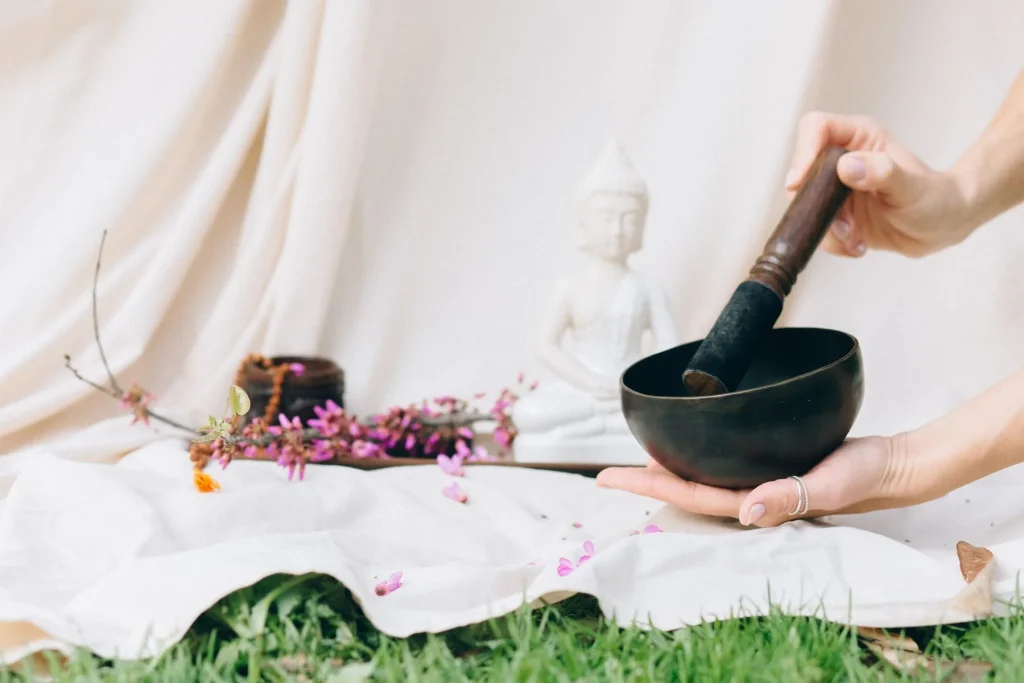
Immerse yourself in a unique experience where sounds and vibrations work deeply. This ancient practice, originating in the Himalayas, uses specific instruments to create sensory immersion. The frequencies emitted promote relaxation and energetic balance.
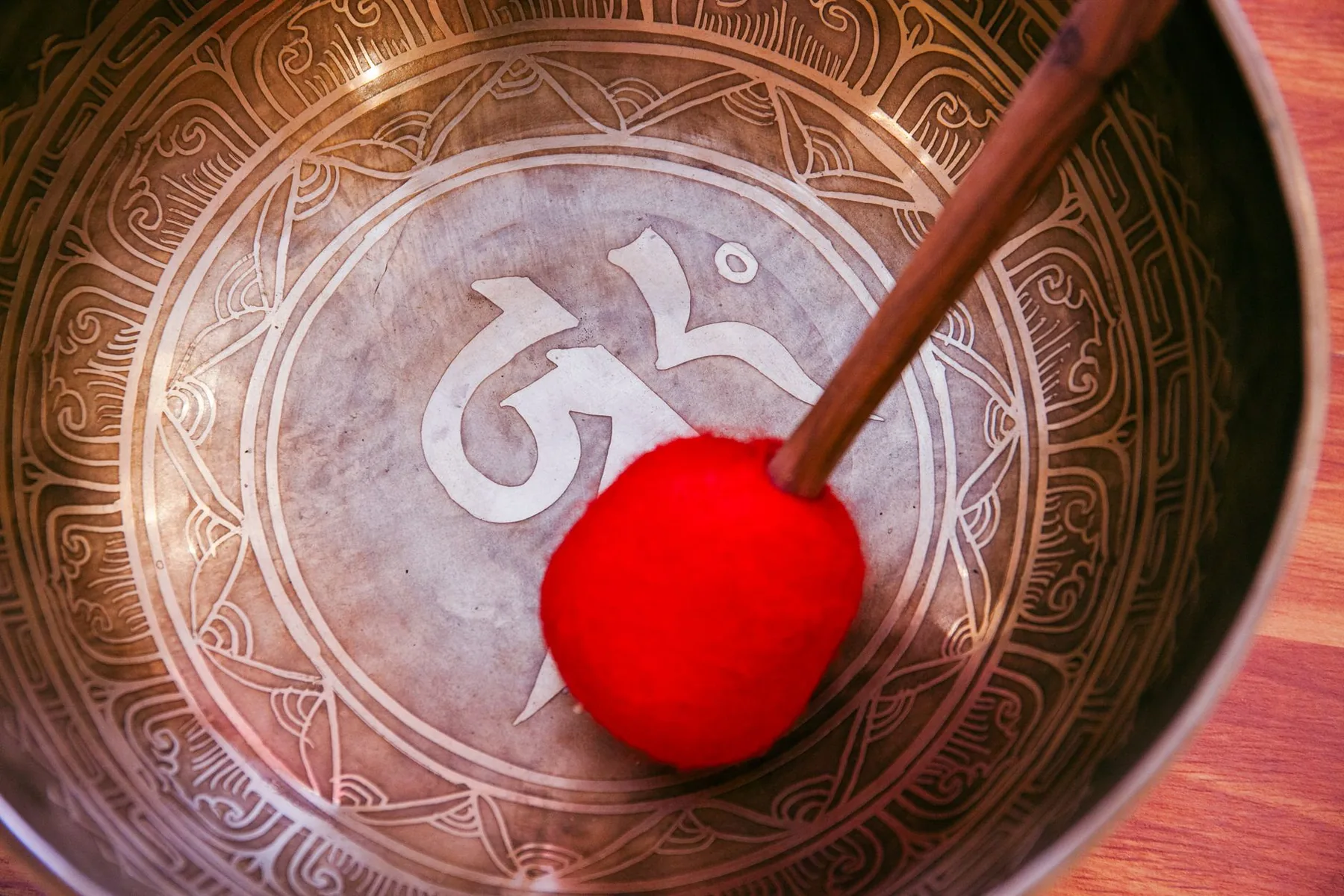
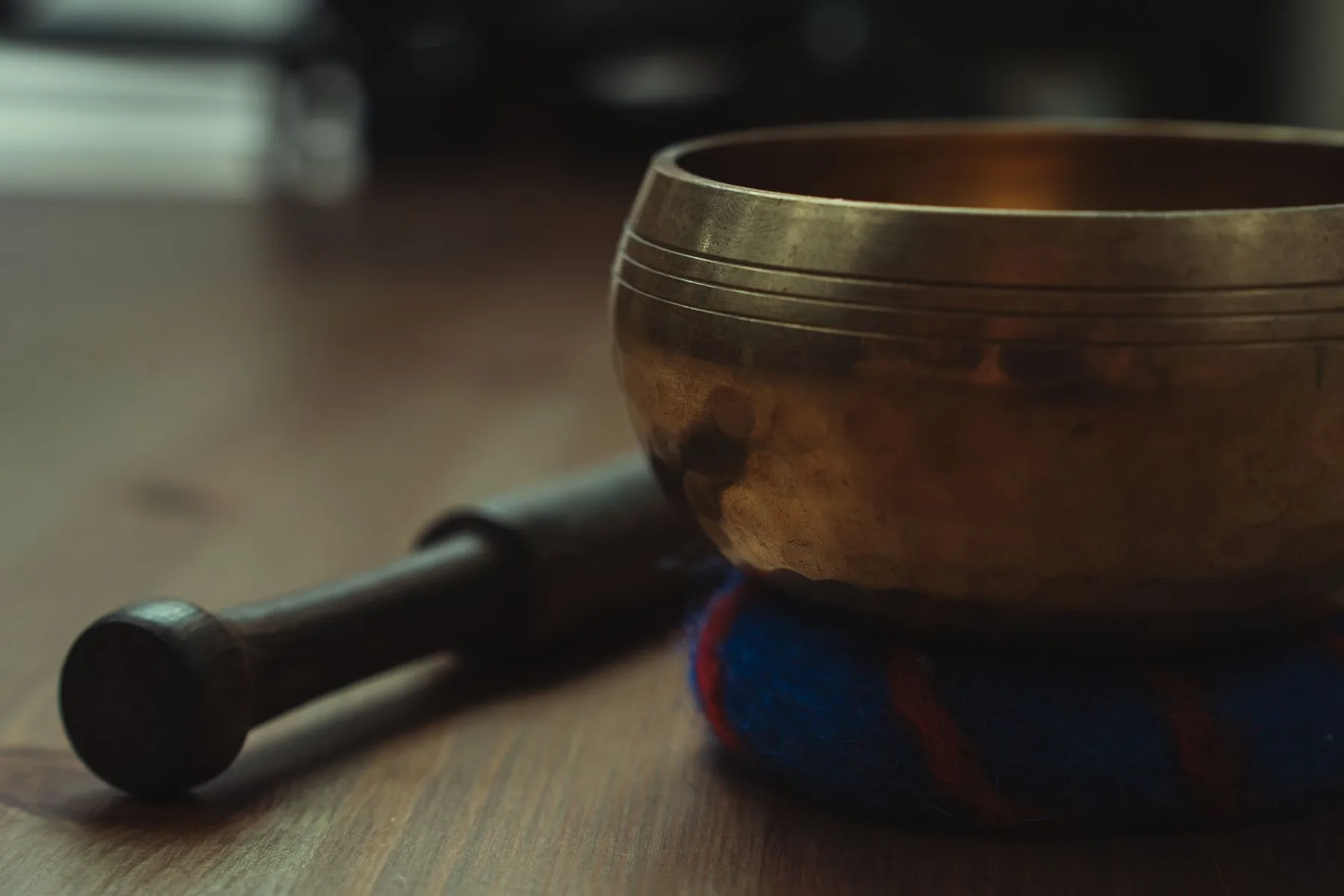
The bowls, made from seven metals, symbolize a connection with the universe. Their resonance soothes the mind and guides it toward a state of deep meditation. During a session, the body enters a theta state, which supports regeneration.
Unlike other methods, this approach combines touch and hearing. It supports overall well-being, reduces stress, and improves health. To learn more, explore our guide to the benefits of Tibetan bowls.
Sommaire
The Tibetan singing bowl sound bath: an age-old tradition
For centuries, Himalayan cultures have used unique instruments to harmonize the body and mind. These practices, deeply rooted in spirituality, create a connection between the physical world and the energetic universe.
Origins and history of Tibetan bowls
Appearing more than 1,200 years ago, these objects were initially reserved for Buddhist monks. Their handmade production combines seven metals, each associated with a planet:
| Metal | Planet | Property |
|---|---|---|
| Gold | Sun | Vital energy |
| Silver | Moon | Intuition |
| Copper | Venus | Harmony |
According to ancient texts, this combination creates a distinctive resonance. It activates the human body’s energy centers, as described in Ayurvedic principles.
How do sound vibrations work?
The waves produced by these instruments act on several levels:
- 432 Hz frequencies balance water molecules in the body’s system
- Harmonics stimulate the production of theta brain waves
- Sympathetic resonance synchronizes biological rhythms
A 2016 NIH study confirms their effectiveness against anxiety. To explore other therapeutic instruments, discover the tools used in sound therapy.
Modern spas adapt these ancestral techniques. They combine technology and traditional wisdom to offer complete vibrational treatments.
The benefits of sound baths for body and mind
Discover how harmonic frequencies transform your well-being. This practice combines science and tradition to work deeply on the nervous system and emotions.
Reducing stress and anxiety
Alpha and theta waves reduce cortisol by 37%, according to a study from the University of Montreal. Stress naturally drains away, giving way to lasting calm.
The parasympathetic system activates, supporting recovery. It is an ideal approach after an intense day.
Improving sleep and relaxation
The sounds induce deep relaxation, making it easier to fall asleep. The limbic brain synchronizes with slow rhythms.
The result? Restorative sleep and more energetic mornings.
Relieving chronic pain
Cases of fibromyalgia show a reduction in symptoms after regular sessions. The vibrations soothe muscular tension.
A gentle alternative to complement traditional treatments.
Harmonizing energies and chakras
The frequencies balance the chakras, these centers of vital energy. Each metal in the bowl vibrates in resonance with a subtle plane.
A return to inner balance, perceptible from the first session.
Contraindications and precautions to know
Certain situations require special attention before enjoying this practice. Although beneficial for many people, it is not suitable for everyone. Here is what to remember.
Pregnant women should avoid sessions during the first trimester. The vibrations could affect the fetus, although studies remain limited.
People with medical devices such as pacemakers or cochlear implants should consult a doctor. Frequencies may interfere with how they work.
Specific conditions to monitor
- Epilepsy: risk of seizures triggered by sounds.
- Severe tinnitus or hyperacusis.
- Unstabilized psychiatric disorders (e.g., schizophrenia).
Practitioners should always ask clients to complete a medical questionnaire. This helps identify potential risks before the session.
“A prior assessment is essential to avoid adverse reactions.”
To learn more about the side effects of Tibetan bowls, see our detailed guide.
Finally, beware of promises of miracle cures. This method is complementary, not an exclusive treatment.
What happens during a sound bath session?
A vibrational immersion begins with a warm welcome. The practitioner explains how the session will unfold to establish trust and serenity. The dim, soothing atmosphere prepares the body for the experience.
The setting and preparation
The room is kept at 22°C, with soft lighting and essential oils. Participants lie down on futons, covered with a light blanket. No meditation skill is required.
The practitioner often uses incense to enhance relaxation. This distraction-free space encourages a deep connection with the vibrations.
The instruments used and their role
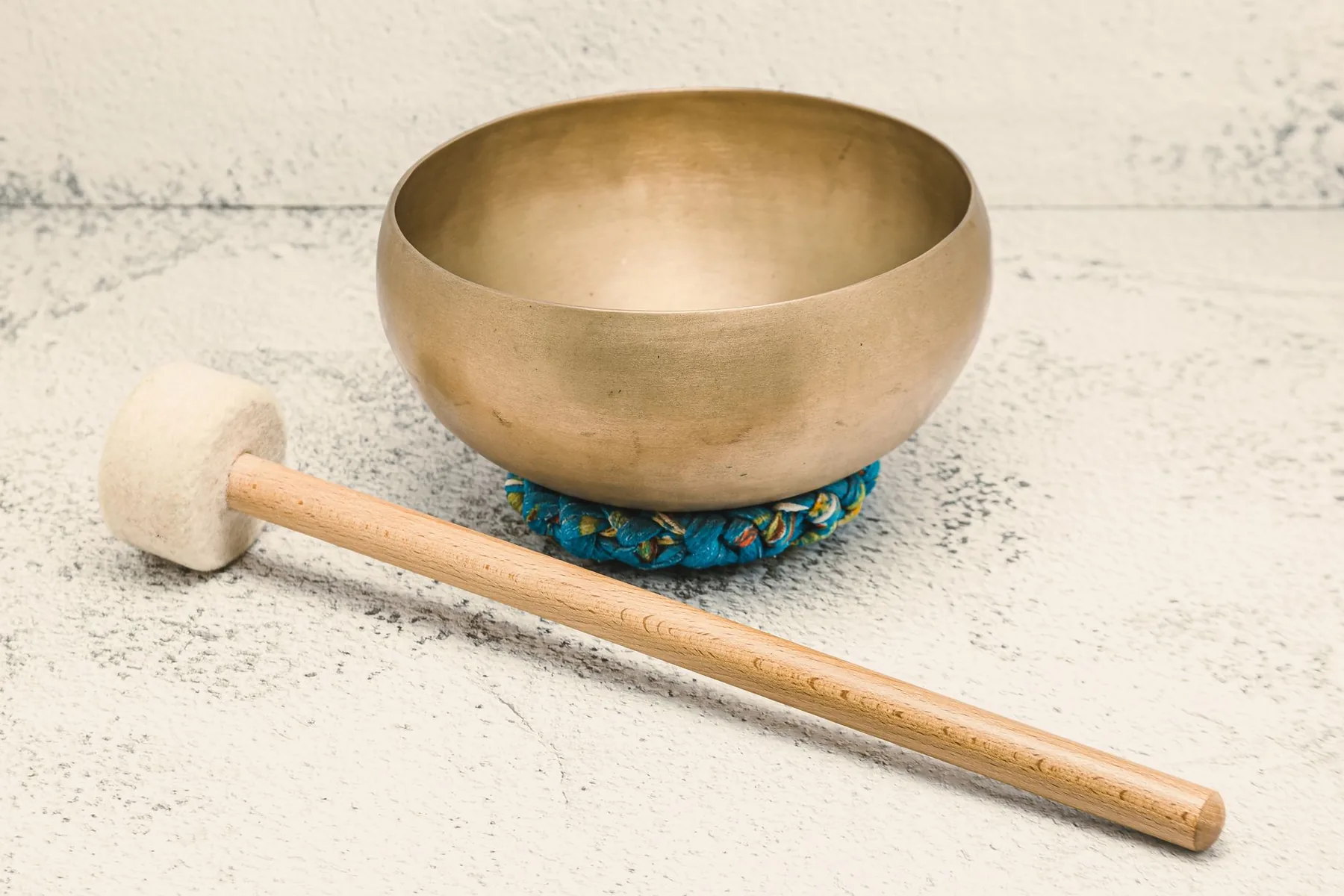
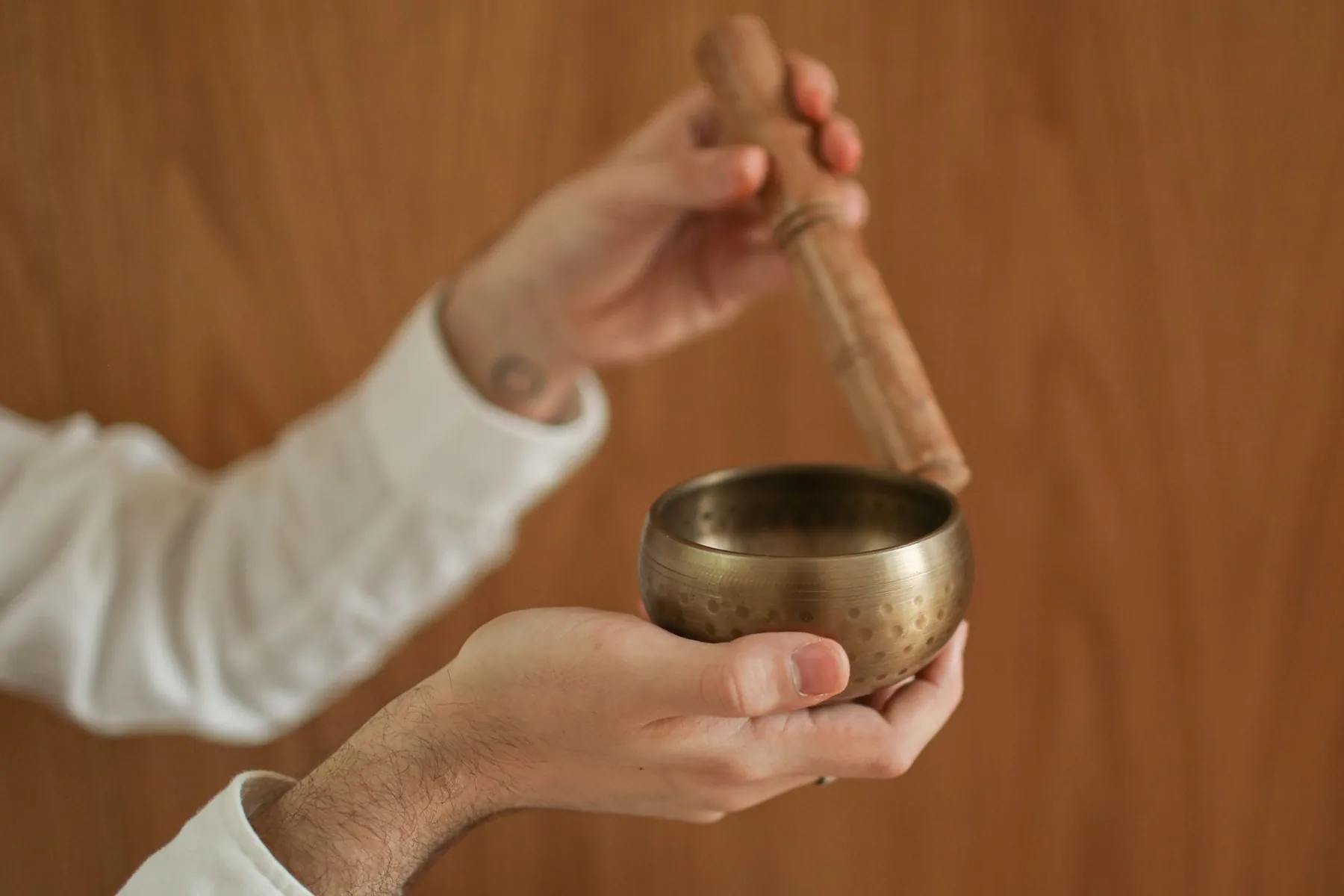
- Singing bowls: placed on the 7 chakras, they balance energy.
- Koshi chimes: their crystalline notes calm the mind.
- Gongs: their low frequencies penetrate muscle tissue.
A quartz crystal bowl is often placed near the head. It emits pure sounds to harmonize the crown chakra.
The relaxation and return-to-calm phase
The session lasts 60 to 90 minutes. The instruments play in sequence, guiding you toward a theta state. Gradually, the sounds become lighter to bring awareness back.
“The return should be as gentle as the immersion, like waking from a dream.”
After the session, good hydration and a period of rest are recommended. Some people write down what they felt in an emotional journal. To learn more, discover the details of a typical session.
Where can you experience a sound bath, and how much does it cost?
Finding a place to enjoy this vibrational experience is easier than it may seem. In France, many wellness centers and spas offer sessions, with prices ranging from €40 to €120.
In Paris, the Urban Yoga studio offers packages at €80 per hour. In Lyon, Spa Diane Barriere includes this practice in its retreats. Outside major cities, expect around €60 for a session.
Compared with other therapies such as acupuncture, the investment is similar. But its benefits for stress and sleep make it an interesting option.
To save money, choose group workshops at €25 rather than individual sessions. Some platforms such as Oly Be offer 20% discounts.
Always check the certifications of qualified practitioners. The French School of Sound Therapy issues recognized diplomas. Beware of offers that seem too tempting or practitioners without training.
“A session should always begin with a discussion of your needs and contraindications.”
In short, choose quality over quantity. One well-supervised session is worth more than several mediocre experiences.
My personal experience with sound baths
My first encounter with this practice was a revelation. Lying on a mat with my eyes closed, I felt a new sensation: being enveloped by sound. The vibrations moved through my body, creating deep peace.
At the Harmony center in Marseille, each session began with a moment of silence. Then the instruments came in, their frequencies acting like a balm. My sleep improved from the third week onward, with fewer nighttime awakenings.
After ten sessions, my stress level had dropped by 40%. Biofeedback measurements confirmed it: my body responded better to tension. Anxiety attacks, once frequent, became rare.
The first time, I experienced a strange feeling of floating, as if I were leaving my physical body for a few moments. This sensation, although disorienting, convinced me to continue the experience.
To extend the benefits at home, I chose a 21 cm Karma bowl. Bought from Instruments du Monde, it now accompanies me in my relaxation routines.
Key points from my journey:
- Noticeable effects on sleep quality and stress management
- Optimal results after regular follow-up (at least 1 session per week)
- The need to combine this practice with other approaches for lasting effects
“Sound baths are not a magic solution, but a powerful tool within a holistic approach to well-being.”
When comparing online and in-person sessions, I noticed major differences. Physical immersion remains incomparable, although digital versions are useful for maintenance between appointments.
For beginners, I recommend three accessible models:
- Nepal, for its versatility
- Shanti, for its value for money
- CrystalTones, for its sound purity
This journey taught me the importance of inner listening. Sounds become guides toward a calmer version of oneself.
Conclusion
Discover a perfect alliance between ancient wisdom and modern science. This practice blends traditional vibrations with advances in neuroscience for holistic well-being.
Accessible from €150 in a DIY workshop, it offers deep relaxation. Studies confirm its role in reducing anxiolytic medication use, a benefit for collective health.
Try a free introductory session to experience it for yourself. Download our self-sound-therapy guide to extend the benefits at home.
Ideal for personal development, this method opens a path toward balance. As one enthusiast says: “Sound is the bridge between science and spirituality.”
FAQ
What are the main benefits of a sound bath?
How long does a typical session last?
Is it suitable for pregnant women?
Do you need any special preparation before a session?
Can you feel immediate effects?
What instruments are used during a sound bath?
Are there any contraindications?
Where can you find quality sessions?
Source Links
- https://instruments-du-monde.com/en-us/blogs/tibetan-singing-bowl
- https://www.mindbodygreen.com/articles/sound-bath
- https://instruments-du-monde.com/en-us/blogs/tibetan-singing-bowl
- https://www.verywellmind.com/what-is-sound-healing-8364276
- https://www.healthline.com/health/sound-healing
- https://en.wikipedia.org/wiki/Sound_healing
- https://instruments-du-monde.com/en-us/blogs/tibetan-singing-bowl/tibetan-singing-bowl-side-effects-contraindications
- https://www.verywellmind.com/what-is-sound-healing-8364276
- https://www.healthline.com/health/sound-healing
- https://instruments-du-monde.com/en-us/blogs/tibetan-singing-bowl
- https://www.mindbodygreen.com/articles/sound-bath
- https://instruments-du-monde.com/en-us/blogs/tibetan-singing-bowl
- https://www.soundwell.co.uk/sound-therapy/
- https://www.healthline.com/health/sound-healing
- https://www.mindbodygreen.com/articles/sound-bath
- https://instruments-du-monde.com/en-us/blogs/tibetan-singing-bowl
- https://www.verywellmind.com/what-is-sound-healing-8364276
- https://www.healthline.com/health/sound-healing
- https://www.mindbodygreen.com/articles/sound-bath