
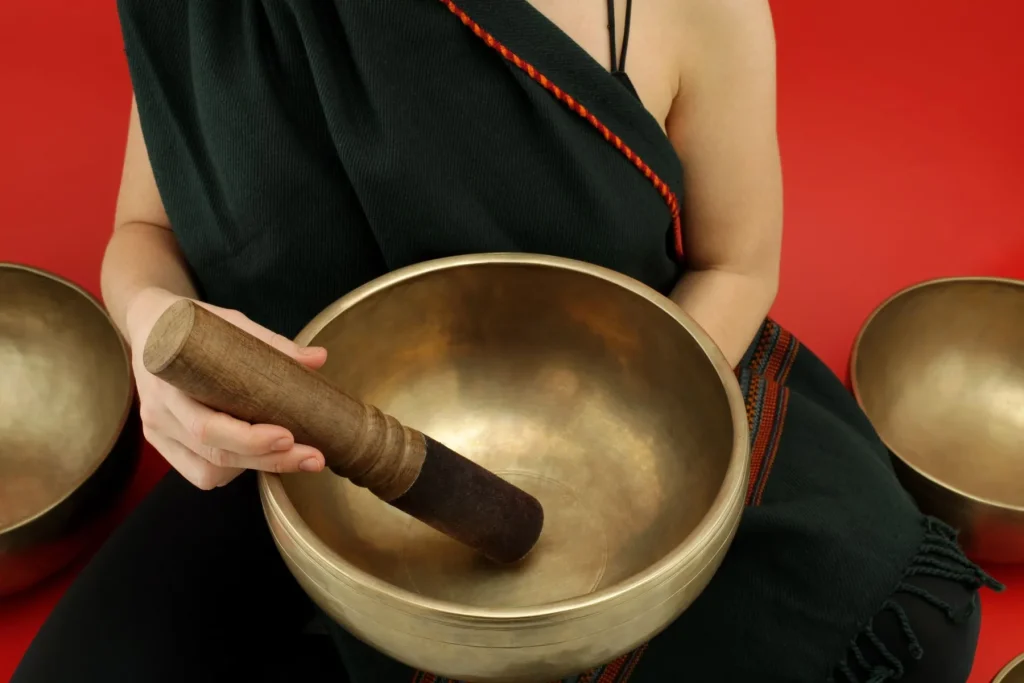
For centuries, Tibetan singing bowls have been used to harmonize the body and mind. Their deep sound and soothing vibrations act as a bridge between ancestral traditions and modern scientific discoveries.
These instruments, often made from an alloy of seven metals, encourage relaxation and well-being. Recent studies confirm their effectiveness in reducing stress and improving sleep quality.
Some practitioners also describe their effect on energy centers. Although this aspect remains debated, personal experience is still a key part of feeling their benefits.
With more than 10 years of experience, I guide you in choosing a bowl suited to your needs. Discover how to integrate this millennia-old tool into your health routine.
Sommaire
Introduction to Tibetan singing bowls and their role in healing
The origins of singing bowls are rooted in the ancient history of the Himalayas. Used for more than 2,500 years, these sacred instruments accompanied Buddhist monks during their rituals.
Their making relies on artisanal expertise passed down from generation to generation. Each piece is hand-hammered, creating unique irregularities that influence its tone.
These symbolic objects include seven precious metals:
| Metal | Celestial body | Symbolism |
|---|---|---|
| Gold | Sun | Vital energy |
| Silver | Moon | Intuition |
| Iron | Mars | Strength |
| Mercury | Mercury | Communication |
| Tin | Jupiter | Expansion |
| Copper | Venus | Harmony |
| Lead | Saturn | Stability |
This metallic combination creates distinctive vibrations. According to Himalayan traditions, they act on the body’s energy flows.
Since the 1970s, the West has adopted these instruments in modern approaches. sound therapy uses their properties to encourage deep relaxation.
Today, 87% of wellness centers in France include these tools in their practices. Their popularity keeps growing thanks to their calming effects.
The scientifically proven benefits of Tibetan singing bowls
Modern science now confirms what ancient traditions knew intuitively. Scientific studies reveal measurable effects on the body and mind.
Stress reduction and improved mood
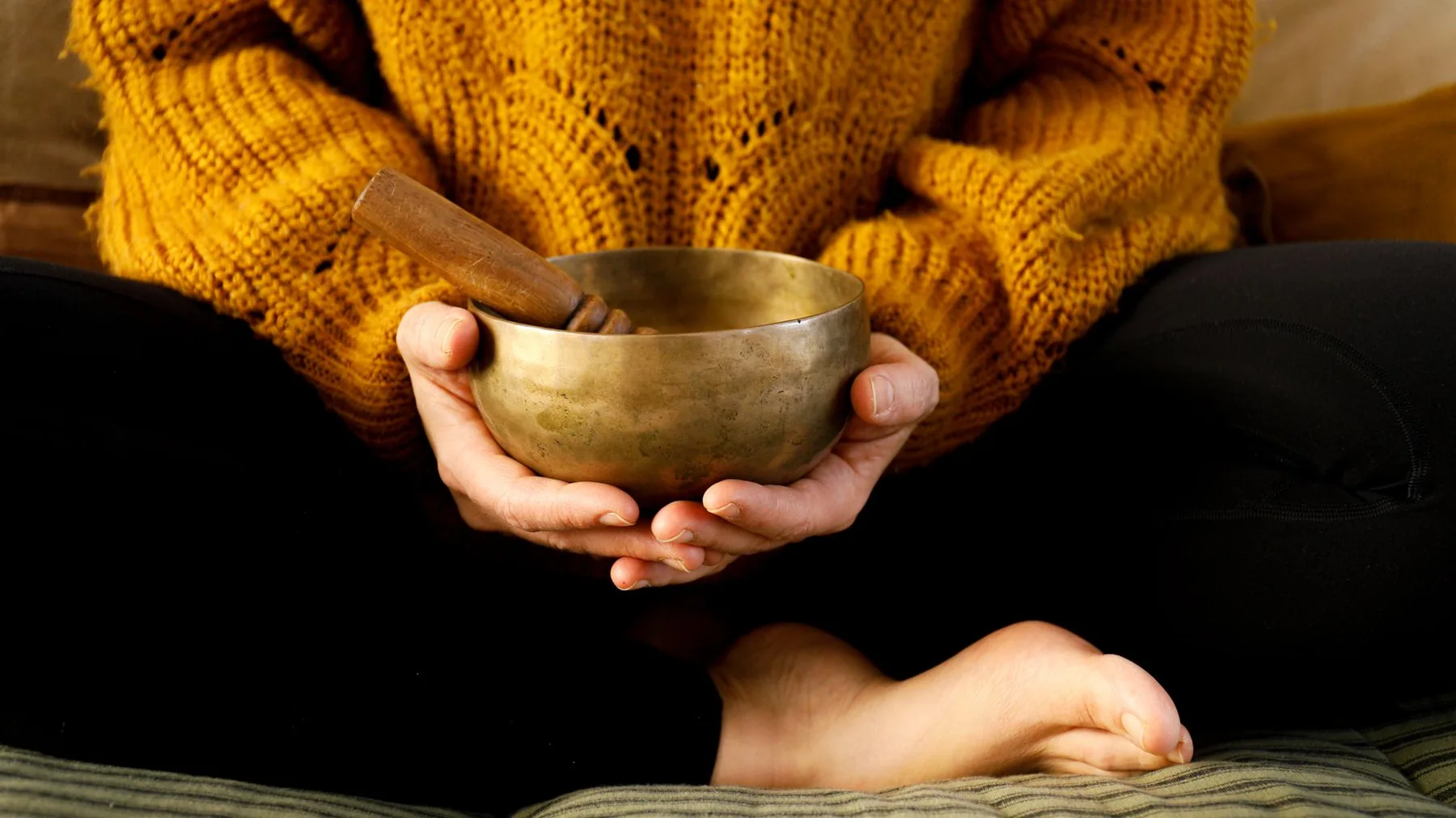
Research from McMaster University (2016) shows a 35% drop in cortisol after 12 minutes of exposure to vibrations. This result explains why many users feel immediate calm.
Alpha waves (8-12 Hz), stimulated by sound, promote deep relaxation. In Lyon, a 7-minute protocol reduced preoperative anxiety in 68% of patients.
Pain relief and better sleep
The Journal of Pain Research reports a decrease in osteoarthritis symptoms with regular use. The vibrations act as a complement to conventional treatments.
For sleep, a clinical trial conducted on 92 people with insomnia noted 40% faster sleep onset after three weekly sessions. Heart coherence also improved by 22%, according to BioWell data.
“Harmonic sounds rebalance the autonomic nervous system, making recovery easier.”
These benefits come with methodological limits. Larger-scale research is needed to confirm these promising results.
Tibetan singing bowl and healing: how does it work with the chakras?
The interaction between sound vibrations and energy centers offers a fascinating approach to bodily balance. According to Eastern traditions, seven major chakras govern our physical and emotional functions.
- Tin for the crown chakra (linked to spirituality)
- Lead for the root chakra (grounding)
These correspondences influence the choice of instruments in sound therapy.
A common protocol uses a sequence of notes (C to B), with 3 minutes per chakra. The 432 Hz frequency, although not scientifically validated, is often favored for its soothing effect.
“During a session, I felt a release around the solar plexus. The sounds acted like a trigger.”
Despite these accounts, controversies persist. No instrument objectively measures chakras, but their subjective effects are recognized.
To target a specific center, a quartz crystal bowl is ideal. Its pure resonance amplifies the harmonization of energy flows.
Techniques for using Tibetan singing bowls for healing
Let’s explore practical methods for benefiting from their soothing vibrations. Whether you are a beginner or experienced, these approaches adapt to your needs.
Meditation with a Tibetan singing bowl
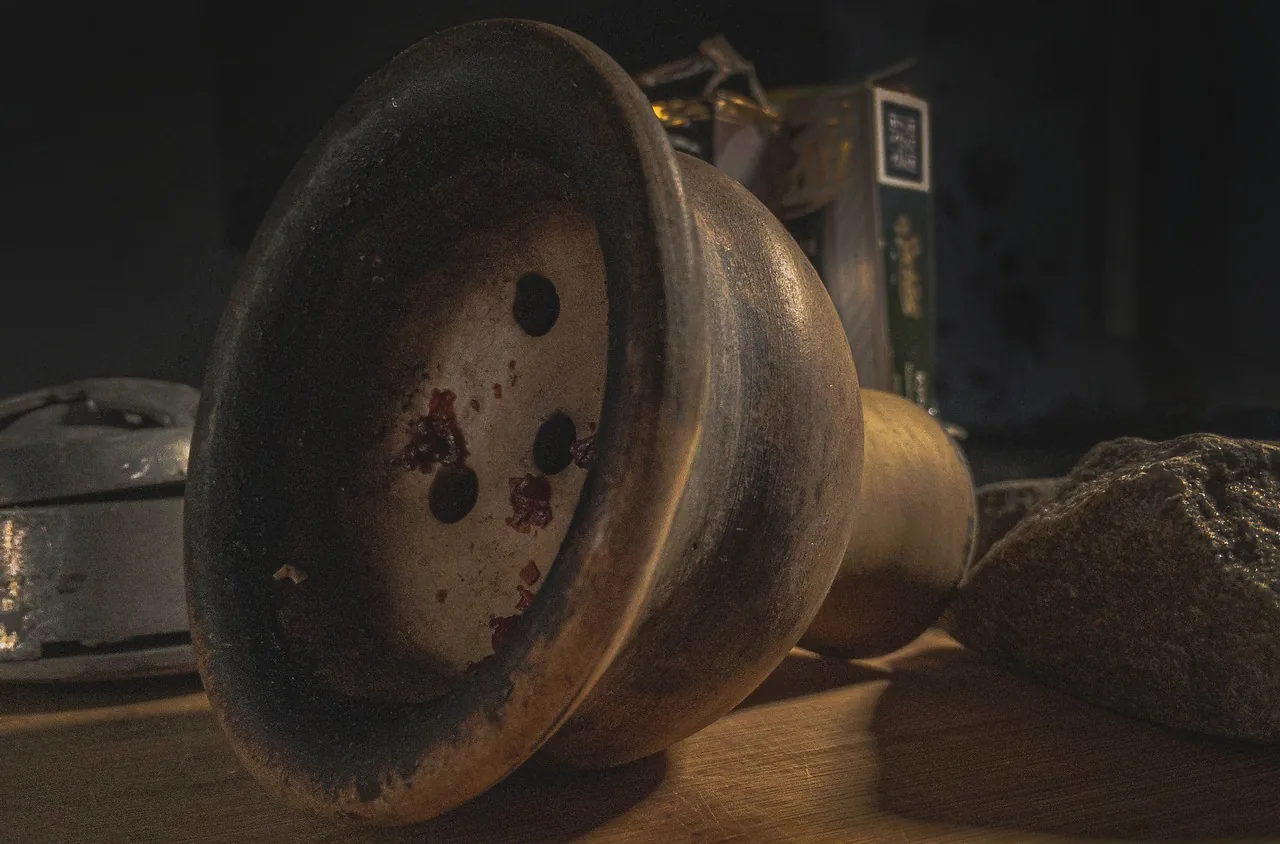
Acoustic meditation combines breathing and resonance. Adopt the lotus position (or half-lotus) for optimal alignment.
Strike the rim every 7 breaths. This rhythm synchronizes brain waves with the sound vibrations.
- Beginner’s guide: hold the mallet at 45°, with light pressure for a clear sound.
- Advanced technique: move the instrument around the body in slow circles, creating an enveloping sound field.
Sound massage and its therapeutic effects
Massage through sound acts on muscle tension. Place the instrument on targeted areas (back, abdomen) and let the frequencies penetrate.
| Type of session | Duration | Average price (France) |
|---|---|---|
| Self-massage | 10-20 min | Free |
| With a practitioner | 30-60 min | EUR50-70 |
“Our clients on the “Sound Waves” program report immediate relaxation and improved sleep.”
The effects vary depending on the instruments used. Try different sizes to find the one that resonates with you.
Which Tibetan singing bowls should you choose for a therapeutic approach?
Choosing the right sound instrument can transform your therapeutic experience. Two main options are available: traditional 7-metal models or modern quartz crystal versions.
7-metal alloys and their unique properties
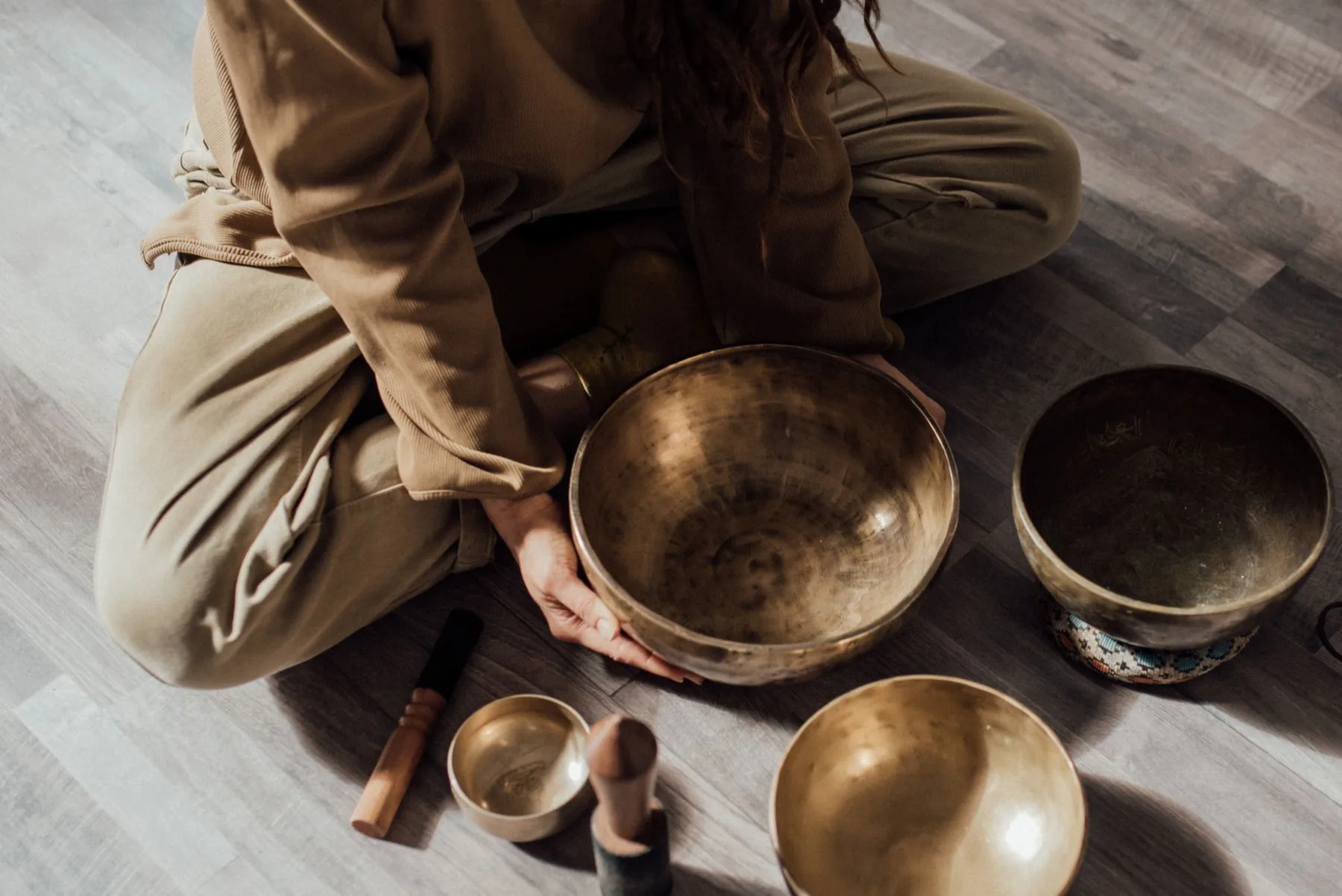
These ancestral instruments combine specific metals to create complex vibrations. A diameter of 22-24 cm offers versatile use, ideal for beginners and experts alike.
| Type of alloy | Composition (%) | Characteristics |
|---|---|---|
| Traditional | Copper (70%), tin (15%), iron (5%) | Rich harmonics, long resonance duration |
| Modern | Copper (60%), silver (20%), gold (5%) | Clearer sound, reduced weight |
To check authenticity, test the resonance: a genuine traditional model produces at least 3 distinct harmonics. This guide details artisanal manufacturing methods.
Quartz crystal and its pure frequencies
Quartz versions allow precise tuning (+/-1 Hz), perfect for targeting specific needs. Their stable frequency is especially suited to guided meditation.
- Advantages: crystalline sound, light weight, compatibility with water (amplified effects)
- Disadvantages: fragility, high price for premium models
“Our lead-free certified Himalaya Signature set is recommended by 9 out of 10 therapists for its acoustic balance.”
For aquatic use, choose thick models (5-7 mm). Water creates visible vibratory patterns, strengthening the effects of sound therapy.
Conclusion: integrating Tibetan singing bowls into your wellness routine
Transforming your space into a well-being sanctuary becomes accessible thanks to these ancestral tools. A daily 10-minute session is enough to feel the first calming effects.
Sophie, who has fibromyalgia, says: “After 6 months of regular use, my immune system grew stronger. My flare-ups decreased by 40%.” Her secret? Combining the practice with essential oils.
The 5 golden rules:
- Regularity (at least 3 sessions per week)
- Hydration to amplify the vibrations
- A quiet, softly lit environment
Promising studies are exploring the cellular impact of frequencies. The brand Instruments du Monde supports this research while offering certified products.
Ready to live the experience? Enjoy 10% off with code BLOG10 on their expert buying guide. Your journey toward well-being starts here.
FAQ
Can singing bowls really help reduce stress?
How does a sound massage with a Tibetan singing bowl work?
Why use a 7-metal bowl rather than another type?
Can these bowls be used to improve sleep?
How do you choose the right frequency for a treatment?
Can everyone feel their effects?
Source Links
- https://www.nccih.nih.gov/health/meditation-and-mindfulness-effectiveness-and-safety
- https://instruments-du-monde.com/en-us/blogs/tibetan-singing-bowl/how-does-a-tibetan-singing-bowl-work
- https://journals.sagepub.com/doi/abs/10.1177/2156587216668109
- https://instruments-du-monde.com/en-us/blogs/tibetan-singing-bowl/how-to-use-a-tibetan-singing-bowl-techniques-instructions
- https://craftsfromnepal.com/blog/how-singing-bowls-are-made-kathmandu-workshop/
- https://www.healthline.com/health/sound-healing
- https://pubmed.ncbi.nlm.nih.gov/37532602/
- https://journals.sagepub.com/doi/abs/10.1177/2156587216668109
- https://www.healthline.com/health/sound-healing
- https://www.yogajournal.com/yoga-101/chakras-yoga-for-beginners/?scope=anon
- https://instruments-du-monde.com/en-us/blogs/tibetan-singing-bowl/tibetan-singing-bowl-chakras
- https://www.yogajournal.com/yoga-101/chakras-yoga-for-beginners/?scope=anon
- https://instruments-du-monde.com/en-us/blogs/tibetan-singing-bowl/how-does-a-tibetan-singing-bowl-work
- https://instruments-du-monde.com/en-us/blogs/tibetan-singing-bowl/how-to-use-a-tibetan-singing-bowl-techniques-instructions
- https://instruments-du-monde.com/en-us/blogs/tibetan-singing-bowl/everything-you-need-to-know-about-tibetan-singing-bowls
- https://instruments-du-monde.com/en-us/blogs/tibetan-singing-bowl/tibetan-singing-bowl-sound-therapy
- https://pubmed.ncbi.nlm.nih.gov/37532602/
- https://www.healthline.com/health/sound-healing
- https://www.nccih.nih.gov/health/meditation-and-mindfulness-effectiveness-and-safety
- https://journals.sagepub.com/doi/abs/10.1177/2156587216668109