
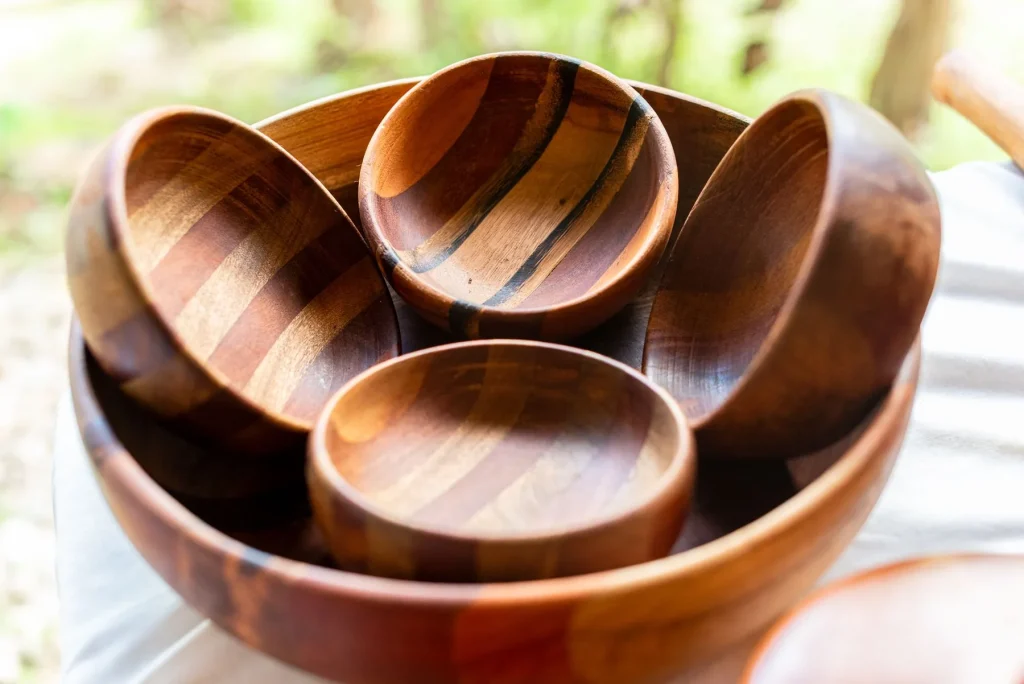
For centuries, sound instruments have played an essential role in meditation practices. Among them, singing bowls stand out for their ability to generate deeply relaxing vibrations.
These ancestral objects, often used in sound therapy, produce specific waves that influence our well-being. The particular frequency of 432 Hz is especially known for its calming and balancing properties.
In this article, we will explore how these specific vibrations interact with our body and mind. You will also discover how to choose the ideal instrument for your personal needs.
Drawing on 10 years of experience, I will share practical advice to help you get the most from these unique vibrational tools.
Sommaire
Introduction to the Tibetan singing bowl and its frequency
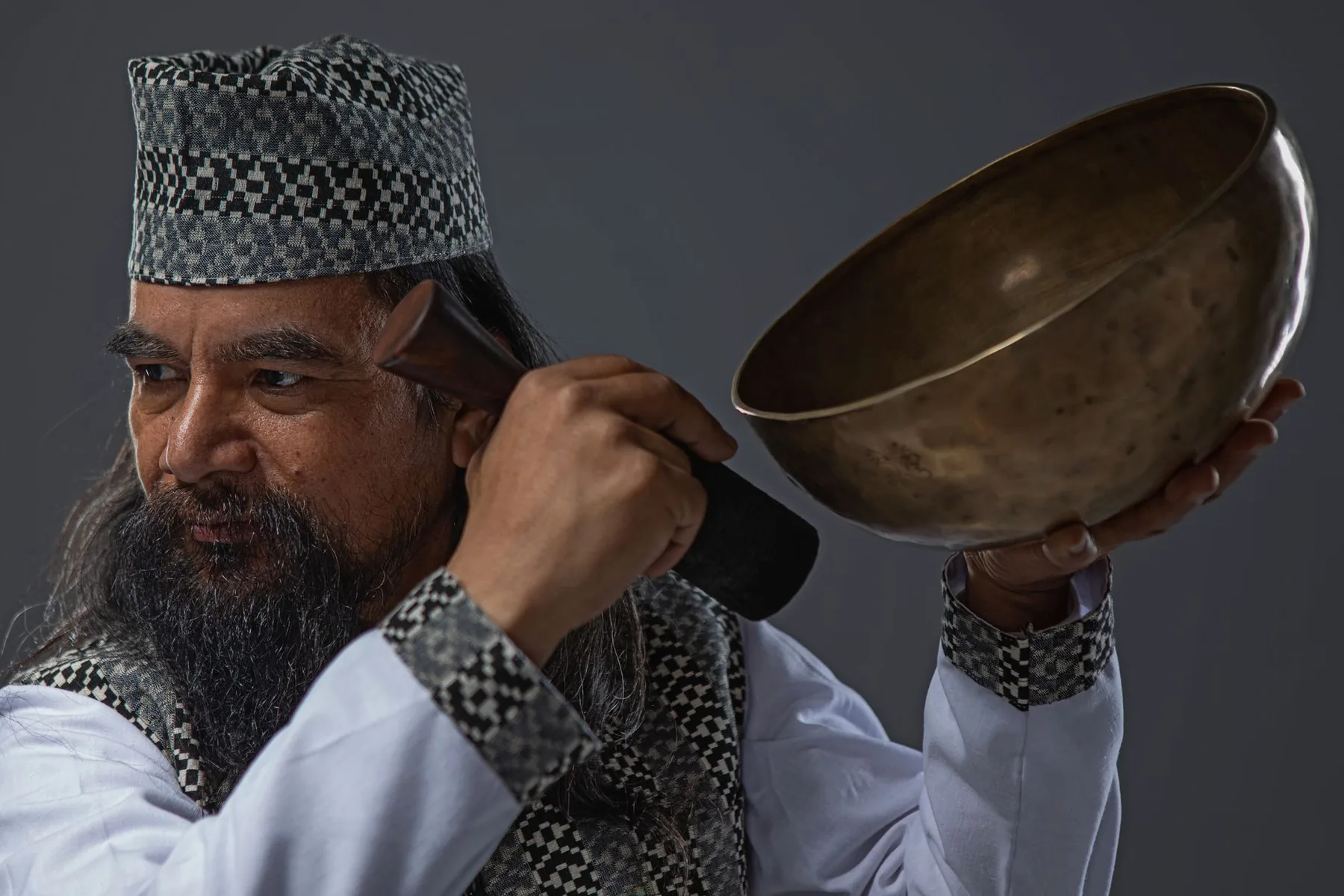
Sound vibrations have always played a key role in wellness rituals through the ages. Among the most widely used musical instruments, the singing bowl stands out for its harmonic richness. Originating in the Himalayas, it is made from an alloy of seven metals, including gold and silver.
When struck, this idiophone produces complex waves. These vibrations act on the body and mind, promoting relaxation and energetic balance. The harmonics generated vary according to the bowl’s composition.
The resonance frequency plays a major role. While the modern standard is 440 Hz, many people prefer 432 Hz for its soothing properties. It is said to be closer to the body’s natural rhythms.
| Type of bowl | Materials | Sound characteristics |
|---|---|---|
| Metal | 7-metal alloy | Rich harmonics, suited to holistic therapy |
| Crystal | Pure quartz | Clear frequency, ideal for targeting a specific chakra |
Each note emitted by these bowls corresponds to an energy center. For example, F stimulates the heart chakra, while G activates the throat chakra. The choice between crystal and metal therefore depends on the goal you are seeking.
Tibetan singing bowl: everything you need to know about its 432 Hz frequency
Among the frequencies used in music therapy, one stands out for its natural harmony. 432 hertz, often called the “frequency of the universe,” is attracting growing interest for its soothing effects.
What is the 432 Hz frequency?
This measurement corresponds to the number of vibrations per second in a sound. Unlike the modern 440 Hz standard, 432 Hz is said to be mathematically aligned with:
- The golden ratio (1.618)
- Earth resonances
- The natural cycles of the human body
In music, a C calibrated at 256.9 Hz in this system creates a softer scale. Some studies suggest that this wave penetrates biological tissue more effectively.
Why choose a 432 Hz bowl?
Practitioners note several advantages:
- An immediate feeling of calm during meditation
- Synchronization with resting heart rhythms
- A noticeable reduction in muscle tension
To test its impact, compare recordings in 440 Hz and 432 Hz. The difference is often perceptible from the first listen. A Tibetan singing bowl tuned to this frequency then becomes a powerful tool for deep relaxation sessions.
Musical notes and their correspondences with the chakras
Music and vital energy share a deep relationship. Through their vibrations, singing bowls act directly on our energy centers. Each note of the diatonic scale resonates with a specific chakra, creating a subtle balance.
The diatonic scale and its therapeutic applications
The seven musical notes (C, D, E, F, G, A, B) form a harmonic scale. In sound therapy, this scale serves as a basis for harmonizing the body:
- C: grounding and stability
- D: creative awakening
- E: self-confidence
A singing bowl tuned to one of these notes emits precise frequencies. These waves stimulate the flow of Chi, the vital energy.
Interaction between sounds and energy centers
Here is how each note influences our chakras:
| Note | Chakra | Main function |
|---|---|---|
| C | Root | Stabilizes and grounds |
| D | Sacral | Stimulates creativity |
| E | Solar plexus | Strengthens willpower |
| F | Heart | Opens to love |
| G | Throat | Supports expression |
| A | Third eye | Develops intuition |
| B | Crown | Raises consciousness |
To choose your instrument, see our guide on choosing a bowl according to your needs.
The important thing is to find the correspondence between your goals and the appropriate note. A bowl in C will suit grounding, while an A will support intuition.
Differences between 432 Hz and 440 Hz frequencies
The choice of a sound frequency directly influences our vibrational experience. Two standards are often contrasted today: 440 Hz, the international norm, and 432 Hz, favored for its harmonious properties.
Origins and standardization of frequencies
In 1975, ISO standardized 440 Hz as the reference for musical A. This decision aimed to harmonize orchestras. Yet 432 Hz, used since antiquity, still has its supporters.
Supporters of 432 Hz emphasize its alignment with:
- The Earth’s natural frequencies
- The golden ratio (1.618)
- Human biological rhythms
Effects on the body and mind
Comparative studies reveal distinct impacts:
| Frequency | Main effects |
|---|---|
| 432 Hz | Deep relaxation, emotional balance |
| 440 Hz | Stimulation, energy |
"432 Hz acts like a balm for the nervous system, while 440 Hz awakens creative energy."
Which frequency should you choose for meditation?
It all depends on your goal:
- Choose 432 Hz if you are seeking a state of deep calm.
- Prefer 440 Hz for energizing sessions.
Apps such as Spectroid allow you to check your instrument’s frequency. Test both to feel the difference.
The benefits of the Tibetan singing bowl according to its note
Each note emitted by a singing bowl has unique properties. These vibrations act directly on our energy centers, offering specific benefits according to the note played.
C – Root chakra: stability and security
The note C vibrates with the root chakra. It strengthens self-confidence and helps manage deep fears. It is ideal for moments of doubt or insecurity.
D – Sacral chakra: creativity and relationships
D stimulates the sacral chakra. This note encourages creativity and improves relationships. It is perfect for releasing emotional blockages.
E – Solar plexus chakra: personal power
E acts on the solar plexus. It develops self-assertion and reduces stress. It is a valuable ally for decision-making.
F – Heart chakra: love and compassion
The note F opens the heart chakra. It encourages empathy and soothes emotional wounds. It creates a feeling of deep connection.
G – Throat chakra: communication
G works on the throat chakra. It supports verbal expression and reduces social anxiety. It is useful before public speaking.
A – Third eye chakra: intuition
A activates the third eye. It develops intuition and insight. It is excellent for meditation and introspection.
B – Crown chakra: spiritual connection
B rises toward the crown chakra. It supports spirituality and reduces egocentrism. It is perfect for transcendent practices.
| Note | Chakra | Main benefits |
|---|---|---|
| C | Root | Stability, confidence |
| D | Sacral | Creativity, relationships |
| E | Solar plexus | Assertiveness, stress management |
| F | Heart | Love, emotional healing |
| G | Throat | Communication, expression |
| A | Third eye | Intuition, mental clarity |
| B | Crown | Spirituality, openness |
Each singing bowl therefore offers a varied palette of effects. The choice of the note played depends on your needs in the moment.
How do you choose the note of your Tibetan singing bowl?
Choosing the right note for your vibrational instrument requires reflection on your personal goals. This selection directly influences the effectiveness of relaxation or meditation sessions.
Identify your needs and imbalances
Before buying, ask yourself these questions:
- Which chakra do you want to balance?
- Are you looking for a calming or stimulating effect?
- Do you practice alone or in a group?
A self-assessment questionnaire can identify your needs precisely. Note how you feel after testing different frequencies.
Universal bowls vs. single-note bowls
Two main options are available to you:
| Type | Advantages | Target audience |
|---|---|---|
| Universal bowls (metal) | Multiple harmonics, versatility | Beginners, general use |
| Single-note bowls (crystal) | Therapeutic precision, specific targeting | Advanced practitioners, therapists |
Universal bowls made of metal suit a holistic approach. Their harmonic richness acts on several energy centers.
Crystal instruments, with their pure note, allow more precise work. They are ideal for targeting a particular chakra.
"A well-chosen bowl becomes a companion on the inner journey, resonating with your deepest aspirations."
For beginners, a seven-piece kit covering the full chakra scale can be a complete solution. Experienced practitioners often prefer specialized tools.
Tip: use apps such as Spectroid to check the function and accuracy of your instrument before buying.
Can you change the note of a Tibetan singing bowl?
Unlike classical instruments, these vibrational objects have unique characteristics. A traditional musical instrument such as a guitar can be tuned precisely, but that flexibility does not exist here.

The fundamental note is determined during manufacturing. The materials and shape create an unchangeable sound signature. Contrary to popular belief, it cannot be modified in any lasting way.
Some methods can slightly vary the timbre:
- Adding water temporarily changes the resonance
- Room temperature influences the harmonics
- The force of the strike changes the intensity, but not the frequency
Any attempt at physical modification risks damaging the object. Sanding or drilling permanently alters its acoustic properties.
| Method | Effect | Duration | Risks |
|---|---|---|---|
| Adding water | Minor change in timbre | Temporary | None |
| Temperature change | Slight alteration of harmonics | As long as the temperature varies | Possible cracks |
| Physical modification | Sound deterioration | Permanent | Destruction of the object |
To work with different frequencies, there is one solution: acquire several pieces. Complete sets cover the seven main notes.
"The beauty of these instruments lies in their vibrational authenticity: each piece is unique and perfect in its natural imbalance."
This characteristic highlights the importance of a thoughtful initial choice. Since the acoustic characteristics are definitive, it is better to select your bowl with full knowledge of the facts.
The physical characteristics that influence the note
The sound of a vibrational instrument depends closely on its physical properties. These elements determine its unique acoustic signature and therapeutic impact.
Size, thickness and shape
The larger an object is, the deeper the sounds it produces. A 1,800 g bowl such as the Full Moon emits around 149 Hz, while a 388 g model reaches 267 Hz.
Thickness also plays a key role:
- Thin wall = deep notes
- Thick wall = higher-pitched sounds
Shape directly influences harmonics:
| Shape | Type of sound |
|---|---|
| Open | Low frequencies |
| Closed | Clear notes |
The impact of materials on sound
The traditional alloy contains seven metals, but contrary to belief, this does not create seven distinct notes. Gold and silver, even in tiny quantities, enrich the harmonics.
Pure crystal Tibetan singing bowls offer a different resonance:
- Quartz: purity of sound
- Metal: harmonic richness
"Between two instruments of the same size, the material makes all the vibrational difference."
To preserve these qualities, regular care is essential. Avoid thermal shock and clean with a soft cloth. Discover our selection of quality instruments for an optimal experience.
Conclusion
This article has explored the impact of sound vibrations on the body and mind. Choosing a suitable singing bowl can have profound effects on your well-being. The frequency and note play a key role in this experience.
Do not hesitate to test different tones to find the one that resonates with your needs. Resources such as tutorials or apps can help you identify the ideal note.
To go further, discover our guide to sacred frequencies and their benefits. Share this article with those seeking harmony between science and spirituality.
May your vibrational journey be rich in discovery and balance.
FAQ
What is the 432 Hz frequency?
Why choose a 432 Hz instrument?
How does each note influence a chakra?
What is the difference between 432 Hz and 440 Hz?
How do you choose the ideal note for your bowl?
Can you adjust the note of a singing bowl?
How do materials affect the sound?
Source Links
- https://instruments-du-monde.com/en-us/blogs/tibetan-singing-bowl/tibetan-singing-bowl-frequency-hertz
- https://instruments-du-monde.com/en-us/blogs/tibetan-singing-bowl/which-note-tibetan-singing-bowl
- https://www.iso.org/standard/3601.html
- https://www.nccih.nih.gov/health/stress-anxiety-and-sleep-problems-considering-complementary-approaches?nav=insta
- https://www.healthline.com/health/sound-healing
- https://www.frontiersin.org/journals/psychology/articles/10.3389/fpsyg.2020.558803/full
- https://instruments-du-monde.com/en-us/blogs/tibetan-singing-bowl/tibetan-singing-bowl-frequency-hertz
- https://www.frontiersin.org/journals/cognition/articles/10.3389/fcogn.2026.1806052/full
- https://www.apa.org/monitor/2013/11/music
- https://instruments-du-monde.com/en-us/blogs/tibetan-singing-bowl/which-note-tibetan-singing-bowl
- https://instruments-du-monde.com/en-us/blogs/tibetan-singing-bowl/which-note-tibetan-singing-bowl
- https://www.frontiersin.org/journals/psychology/articles/10.3389/fpsyg.2020.558803/full
- https://instruments-du-monde.com/en-us/blogs/tibetan-singing-bowl/which-note-tibetan-singing-bowl
- https://www.iso.org/standard/3601.html
- https://instruments-du-monde.com/en-us/blogs/tibetan-singing-bowl/tibetan-singing-bowl-frequency-hertz
- https://instruments-du-monde.com/en-us/blogs/tibetan-singing-bowl/which-note-tibetan-singing-bowl
- https://instruments-du-monde.com/en-us/blogs/tibetan-singing-bowl/tibetan-singing-bowl-frequency-hertz
- https://instruments-du-monde.com/en-us/blogs/tibetan-singing-bowl/which-note-tibetan-singing-bowl
- https://instruments-du-monde.com/en-us/blogs/tibetan-singing-bowl/tibetan-singing-bowl-frequency-hertz
- https://instruments-du-monde.com/en-us/blogs/tibetan-singing-bowl/which-note-tibetan-singing-bowl
- https://instruments-du-monde.com/en-us/blogs/tibetan-singing-bowl/find-note-tibetan-singing-bowl
- https://instruments-du-monde.com/en-us/products/432-hz-tibetan-singing-bowl
- https://instruments-du-monde.com/en-us/products/432-hz-tibetan-singing-bowl
- https://instruments-du-monde.com/en-us/collections/tibetan-singing-bowl
- https://www.sleepfoundation.org/noise-and-sleep/music
- https://my.clevelandclinic.org/health/treatments/8817-music-therapy