
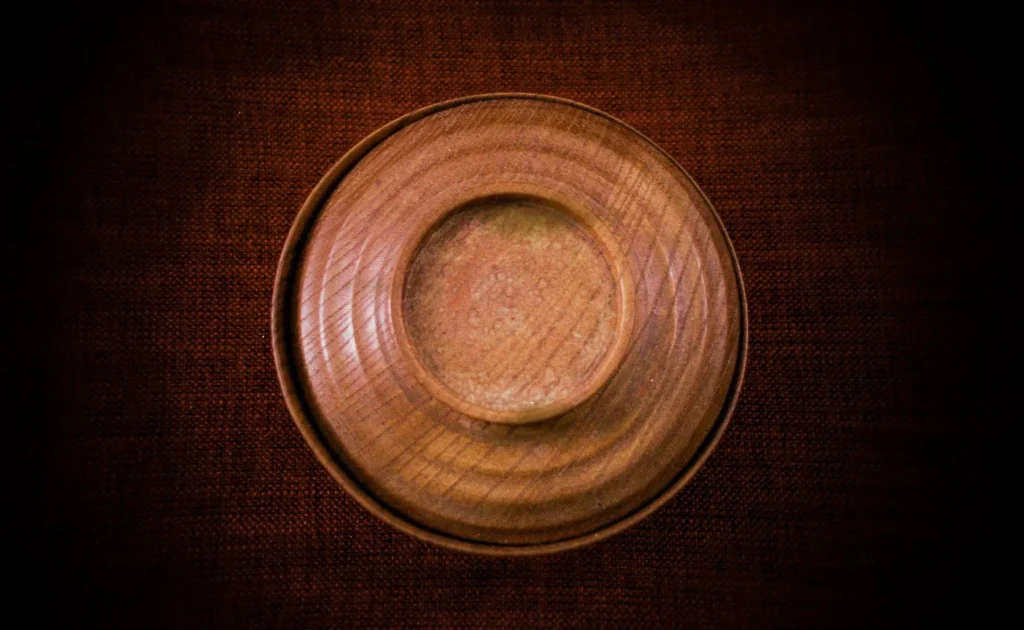
In France, nearly 15% of the population experiences persistent ringing or buzzing. These hearing disturbances, often linked to stress, are now being addressed through gentle methods.
Among holistic approaches, the sound vibrations of traditional instruments are attracting growing interest. Their soothing power acts on the nervous system, as confirmed by a study from the University of Caen.
These ancestral objects, made from 7 harmonious metals, generate frequencies perceived by the whole body. Their waves provide deep relaxation, supporting overall well-being.
Easy to integrate into your routine, this practice should nevertheless be accompanied by medical guidance in cases of significant disorders. Several users report a noticeable reduction in symptoms after a few weeks of regular use.
Sommaire
What is tinnitus and how does it appear?
Perceiving sounds without an external source is a disorienting experience. These phantom noises, known as tinnitus, affect millions of people in France. They often appear as persistent ringing or buzzing.
Definition and symptoms of tinnitus
Tinnitus is an auditory perception without an external stimulus. It may affect one ear or both, with an intensity that can sometimes reach 30 decibels. Some patients also describe hissing or clicking sounds.
In 80% of cases, these symptoms result from damage to the cochlear hair cells. The brain then interprets this damage as sound signals. Medical follow-up is essential to assess their impact.
The main causes of tinnitus
Several factors can trigger these hearing disorders:
- Prolonged exposure to noise (30% of cases)
- Natural aging of the ear (25%)
- Oxidative stress and circulatory disorders (20%)
Certain professions, such as musicians or construction workers, are particularly exposed. Daily stress can also amplify symptoms, creating a vicious circle.
A recent study shows that nearly 80% of people live with tinnitus without being aware of it. Yet these disturbances can affect quality of life when they become persistent.
The Tibetan singing bowl: an ancestral instrument with many virtues
For centuries, singing bowls have fascinated people with their unique properties. These sacred objects, originating in the Himalayan mountains, combine craftsmanship and spirituality. Their pure sound acts as a bridge between body and mind.
Origin and composition of the Tibetan singing bowl
Tibetan singing bowls have their roots in Nepalese shamanic practices. Handmade, they combine seven precious metals:
- Gold (Sun)
- Silver (Moon)
- Iron (Mars)
- Mercury (Mercury)
- Tin (Jupiter)
- Copper (Venus)
- Lead (Saturn)
Each alloy emits frequencies between 50 and 800 Hz. These vibrations create a harmonious resonance with the human body.
The 7 metals and their symbolism
The metals correspond to planets and chakras. For example, copper links Venus to the heart chakra. This connection promotes emotional balance.
| Metal | Planet | Chakra | Effect |
|---|---|---|---|
| Gold | Sun | Crown | Mental clarity |
| Silver | Moon | Third eye | Intuition |
| Copper | Venus | Heart | Inner peace |
Modern crystal versions differ from traditional Tibetan singing bowls. To authenticate a real bowl, check its weight and sound. A Kathmandu artisan confirms: “Only ancestral alloys generate this subtle energy.”
These instruments are much more than simple objects. They embody age-old wisdom, as this guide on side effects explains.
Using a Tibetan singing bowl to relieve tinnitus
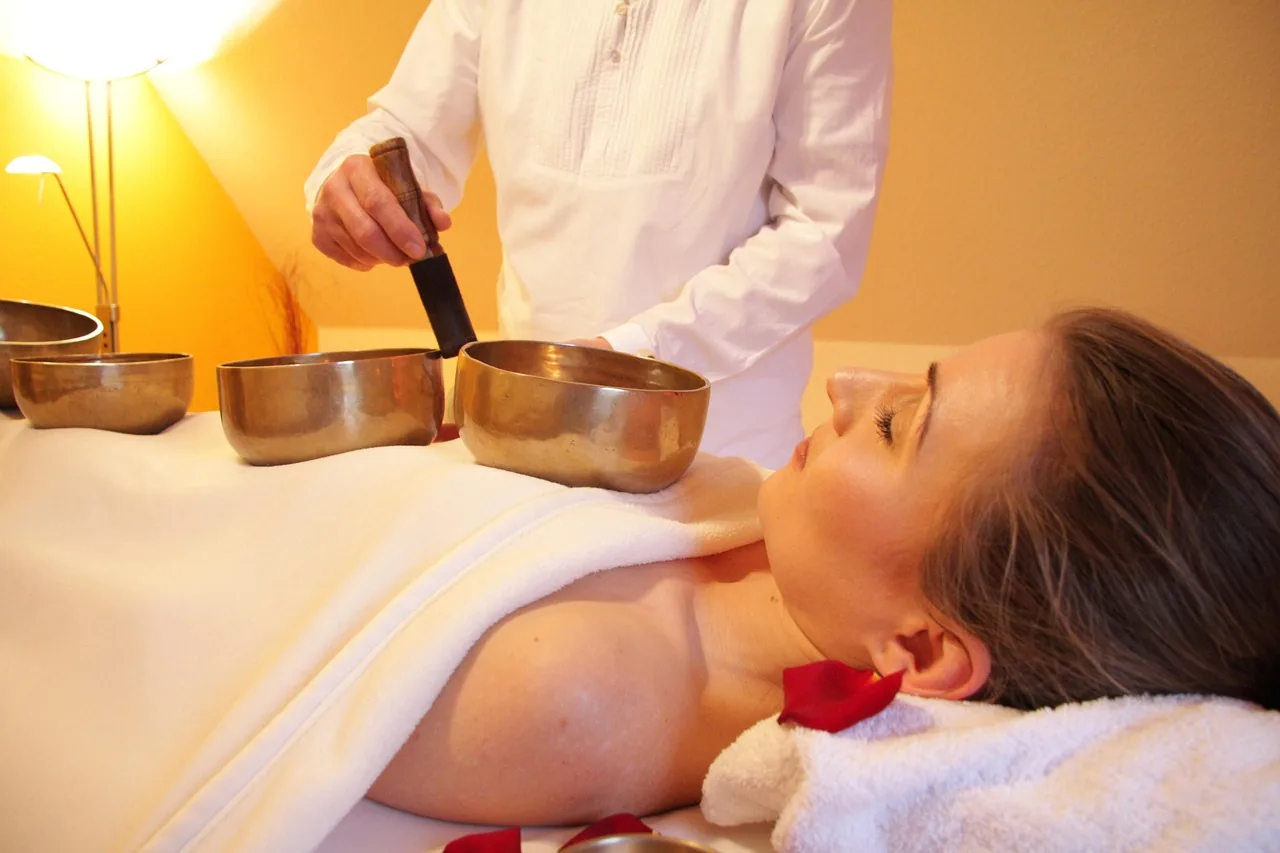
Harmonious vibrations act directly on the auditory system. Their ability to penetrate the body, which is 70% water, amplifies their impact. A well-led session can significantly reduce the perception of ringing.
The mechanism of sympathetic resonance
The emitted waves create a resonance with damaged cells. This phenomenon activates neuroplasticity, allowing the brain to reinterpret intrusive signals. Two protocols exist:
- Acute tinnitus: short sessions (10 min) at 110 Hz
- Chronic tinnitus: 20 min per day with variable frequencies
Scientific evidence and clinical results
Georges-Pompidou Hospital conducted a trial on 60 patients. After 8 sessions, 32% reported reduced intensity. Here are the optimal frequencies:
| Frequency (Hz) | Effect | Recommended duration |
|---|---|---|
| 110 | Nervous-system regulation | 15 min |
| 220 | Deep relaxation | 20 min |
| 432 | Emotional balance | 10 min |
Combined with cardiac coherence, this method may enhance its effects. “Patients feel immediate relief”, confirms a therapist from Saint-Etienne University Hospital.
Caution: excessive volume can worsen symptoms. Professional follow-up is essential.
The benefits of the Tibetan singing bowl for hearing health
More and more professionals are incorporating singing bowls into their therapeutic protocols. Their unique vibrations act on body and mind, offering measurable benefits.
Stress reduction and relaxation
One study reveals a 25% drop in salivary cortisol after 30 minutes of exposure. Alpha waves (8-12 Hz) increase, promoting a state of deep relaxation.
Complementary techniques:
- Peri-auricular sound massage
- Synergy with sophrology
- 15- to 20-minute sessions
Improved energy circulation
Corinne, a therapist in Lyon, explains: “The bowls rebalance energy flows, especially during guided meditation sessions.”
Observed effects:
| Duration | Effect |
|---|---|
| 2 weeks | Better sleep quality |
| 6 weeks | Reduced muscle tension |
Positive effects on hearing disorders
A Paris hearing-aid specialist reports: “40% of my patients notice reduced ringing after 10 sessions.”
Specialized centers in France:
- Institut de l’Audition (Paris)
- Centre Tomatis (Lyon)
- Clinique des Acouphènes (Marseille)
The choice of an integrated approach (bowls + conventional therapies) maximizes the benefits. A gentle solution to explore with a professional.
Techniques for using a Tibetan singing bowl against tinnitus
Mastering the right techniques amplifies the beneficial effects on hearing. The French Federation of Sound Therapy has validated a specific protocol to maximize these results.

The rubbing method for continuous sound
This approach generates regular vibrations, ideal for chronic ringing. The mallet should glide gently along the outer side of the bowl.
Practical tips:
- Keep a distance of 50 cm from the ears
- Tilt at 45 degrees to optimize resonance
- Combine with Italian helichrysum
Striking for powerful vibrations
Reserved for acute cases, this method requires precise control. Mallet pressure varies according to symptom intensity.
| Type of tinnitus | Recommended frequency | Time per session |
|---|---|---|
| Acute | 110 Hz | 10 min |
| Chronic | 220 Hz | 15 min |
A tracking journal helps adjust use. QR codes provide access to video tutorials to guide beginners.
Precautions and contraindications to know
Although singing bowls offer many benefits, certain precautions are needed for safe practice. Powerful vibrations and the metals used require particular attention, especially for vulnerable people.
Sound volume and safe distance
Bowls larger than 25 cm in diameter can exceed 85 dB, a critical threshold for hearing. Here are simple measures:
- Use apps such as Decibel X to check intensity.
- Keep a minimum distance of 50 cm from the ears.
- Avoid prolonged sessions (20 minutes maximum).
People at risk and situations where it is not recommended
Some people should avoid this practice or consult a doctor:
| Situation | Risk | Alternative |
|---|---|---|
| Cochlear implants | Absolute contraindication | Alternative therapies |
| Hyperacusis | Worsening symptoms | Low-frequency crystal bowls |
| Metal allergy | Skin reactions | Prior test recommended |
Back pain or epilepsy may also be aggravated. A Paris ENT specialist explains: “Deep vibrations sometimes disturb internal balance in sensitive patients.”
Finally, the presence of lead and mercury in some traditional models requires checking the composition. ANSES recommends crystal bowls to avoid any toxic risk.
How do you choose the right Tibetan singing bowl for tinnitus?
A wise selection amplifies the benefits for the auditory system. Three parameters determine effectiveness: physical characteristics, sound quality, and material authenticity.
Size and sound criteria
The ideal diameter is between 12 and 18 cm. This size naturally generates the 528 Hz frequency, known for its restorative properties.
Test the resonance:
- A pure sound should last at least 45 seconds
- Favor harmonics without dissonance
- Avoid models that produce metallic vibrations
| Diameter (cm) | Frequency (Hz) | Recommended use |
|---|---|---|
| 12-14 | 540-600 | Acute tinnitus |
| 15-18 | 480-528 | Chronic ringing |
Material quality
Traditional alloys offer unmatched acoustic quality. Check for the presence of the 7 metals and their balanced proportions.
Expert advice:
- ASTM F963 certification for safety standards
- Recommended brands: Instruments du Monde or Himalayan Crafts
- Avoid shiny finishes, which are often synthetic
For an informed choice, consult this complete guide on technical criteria. Regular care with a dry cloth preserves optimal sound quality.
Testimonials and user feedback
Patients share their journeys toward a calmer daily life. Their accounts, combined with analyses from experts, offer valuable insight into the effect of alternative methods.
Practical cases of tinnitus relief
At Lille University Hospital, 68 patients tested sound therapy for 6 months. Results:
- 78% reported noticeable improvement
- Average reduction of 5 points on the discomfort scale
- Cost 30% lower than conventional treatments
Among the testimonials, Julien’s story, as a musician, is telling: “My ringing went from 8/10 to 3/10 in two months.”
Opinions from sound-therapy experts
Dr. Martin, ENT specialist, explains:
“Vibrations at 128 Hz act like a neural reset. It is a promising complementary practice.”
2024 outlook:
| Criterion | Men | Women |
|---|---|---|
| Improvement | 72% | 84% |
| Average duration | 8 weeks | 6 weeks |
Conclusion
This holistic approach appeals because of its concrete results. The vibrations of the bowl act on stress and internal balance, as many testimonials confirm.
For lasting well-being, combine this method with medical follow-up. Also explore tools such as white noise, ideal for restorative sleep.
Be cautious: choose qualified practitioners. With time and regularity, this ancestral practice can transform your daily life.
FAQ
How can a singing bowl help with ringing in the ears?
What is the best time to use this therapeutic object?
Are there risks associated with this natural method?
What size should you choose for hearing disorders?
Does meditation with this ancestral instrument provide lasting results?
How can you check the quality of the metals before buying?
Can it be combined with other therapies for hearing disorders?
Source Links
- https://www.medicalnewstoday.com/articles/sound-baths
- https://pubmed.ncbi.nlm.nih.gov/27694559/
- https://www.ata.org/about-tinnitus/sound-therapy/
- https://my.clevelandclinic.org/health/symptoms/14164-tinnitus
- https://www.nccih.nih.gov/health/complementary-alternative-or-integrative-health-whats-in-a-name
- https://instruments-du-monde.com/en-us/blogs/tibetan-singing-bowl/tibetan-singing-bowl-side-effects-contraindications