
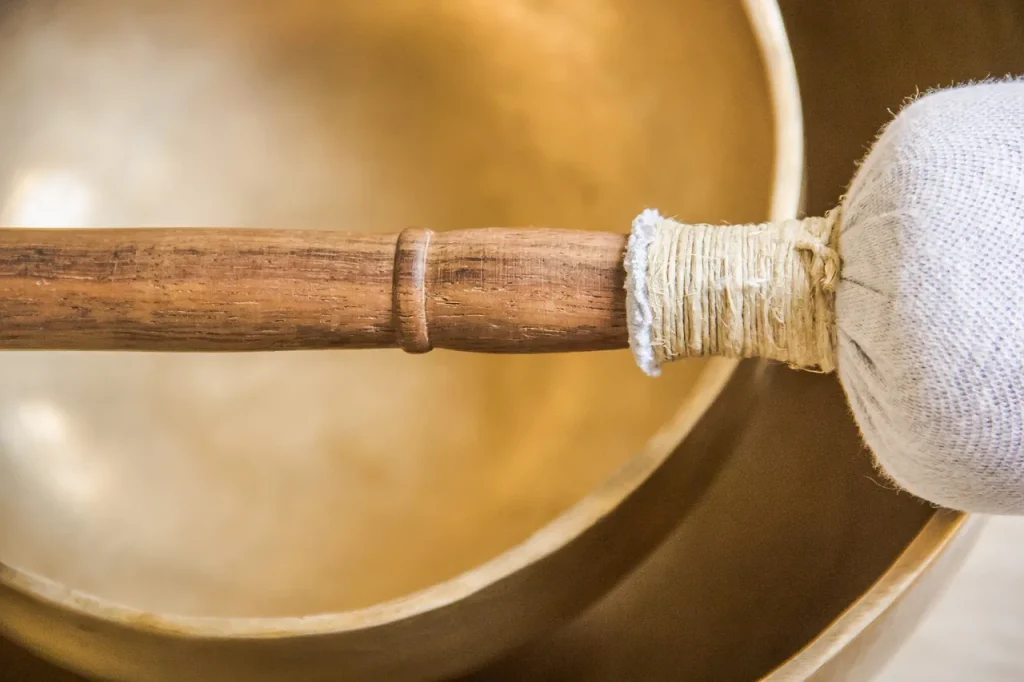
For thousands of years, Tibetan bowls have been used for their soothing qualities. Handmade, they emit harmonious vibrations that encourage deep relaxation.
These instruments, made from seven metals, work through resonance in the body. Their pure sound stimulates energy and balances the mind.
According to Peter Hess, a physicist, this scientifically validated method releases tension. Ideal for relaxation, it harmonizes body and mind.
Sommaire
Origin and history of Tibetan bowls
These sacred instruments have their origins in shamanic practices. Their rich and mysterious history blends with the spiritual traditions of the Himalayas.
Shamanic and Buddhist roots
Before Buddhism, Bon Po shamans were already using these objects around 6000 BCE. They were used in healing rituals. Later, Buddhist monks incorporated them into their offerings.
Their sound was seen as a gateway to awakening. Each vibration was linked to the chakras, creating energetic balance.
Their arrival in the West and the evolution of their use
In the 1980s, Peter Hess introduced these bowls to Europe. Their use evolved toward meditation and relaxation. Today, they are recognized in Germany and Switzerland as therapeutic tools.
"The sound of the bowl touches what lies deepest within us."
| Period | Traditional use | Modern use |
|---|---|---|
| 6000 BCE | Shamanic rituals | Sound therapy |
| Middle Ages | Monastic offerings | Guided meditation |
| 1980s | Household vessels | Holistic practices |
Initially, these bowls were simple vessels. Globalization helped make them widely accessible. Their vibrational system is now being studied scientifically.
The unique composition of singing bowls
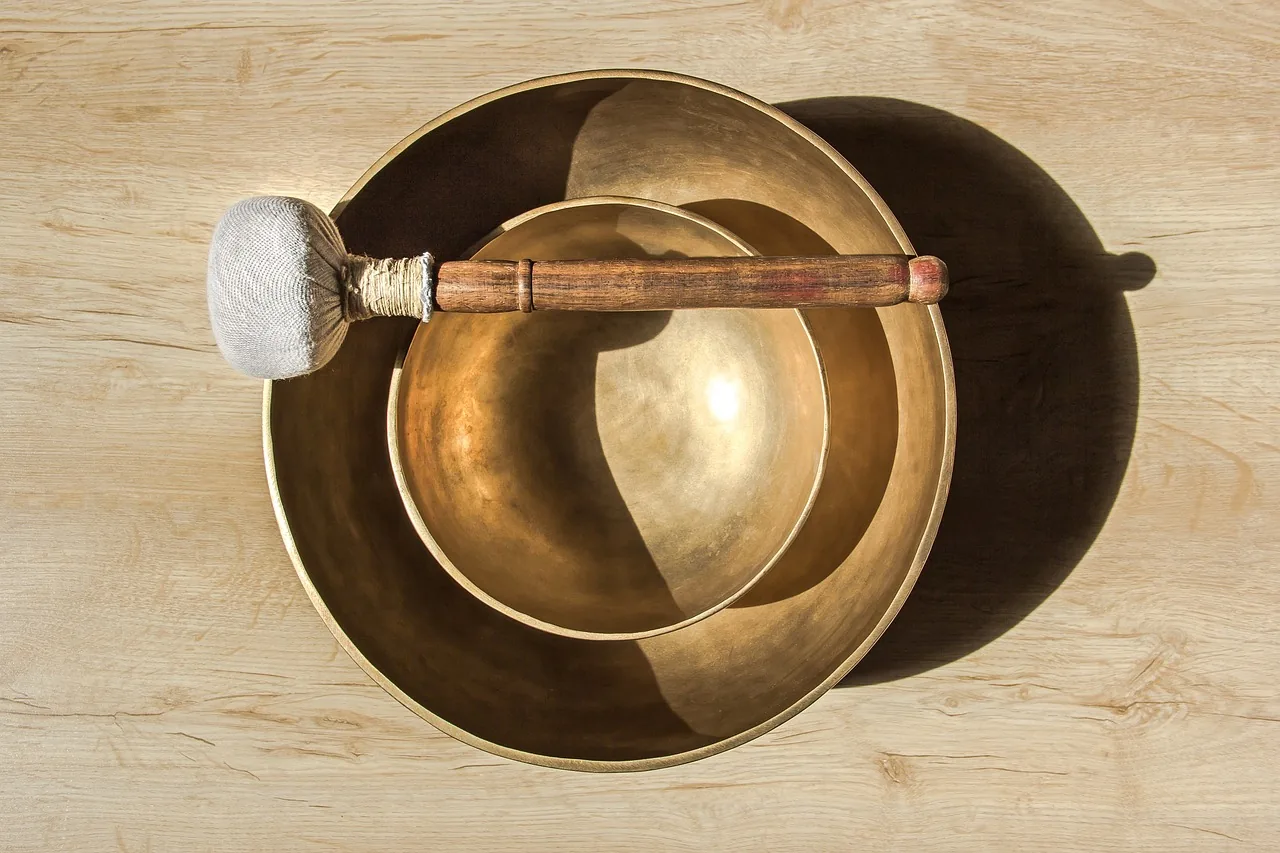
What makes these instruments so distinctive is their artisanal production and their exceptional metal alloy. Every detail matters in creating harmonious vibrations.
The 7 metals and their symbolism
Traditionally, these objects are made from a precise alloy:
- Gold (Sun): symbolizes vital energy and the crown chakra
- Silver (Moon): linked to intuition and the third eye
- Copper (Venus): associated with the heart chakra and love
The other metals complete this sacred alchemy:
- Iron (Mars) for strength
- Tin (Jupiter) for expansion
- Lead (Saturn) for grounding
- Mercury for communication
"Each metal resonates with a part of our being, creating an inner symphony."
The importance of size and thickness
Size directly influences the sound produced:
- Under 12 cm: high-pitched sounds, ideal for beginners
- 12 to 25 cm: mid-range, versatile
- Over 25 cm: low tones, for deep relaxation
Thickness also plays a key role. The thicker the bowl, the deeper the vibrations. To learn how to choose yours, read our complete guide to Tibetan bowls.
A practical tip: rather than accumulating several instruments, vary the mallets. This allows you to obtain different sound effects with a single bowl.
Sound massage: the benefits of Tibetan singing bowls
Modern science confirms what traditions have long known: the power of vibrations. These subtle waves rebalance energies and deeply soothe the mind.
A bridge between meditation and therapy
Research shows that the alpha waves produced (8-12 Hz) resemble those of deep sleep. This mechanism acts directly on the nervous system.
A recent study shows that body cells enter into resonance. This explains why many people feel a natural state of meditation during sessions.
"I felt the vibrations move through my bones, like a wave of calm."
The role of vibrations in relaxation
The waves penetrate up to 10 cm into the tissues. They stimulate the limbic system, which regulates emotions.
For deep relaxation, therapists recommend sessions lasting 45 to 60 minutes. Some combine them with essential oils to amplify the effect.
- Comparison with other methods: gongs have a broader impact, while tuning forks have a more targeted effect.
- Documented case: reduction in tinnitus after 8 weekly sessions.
How does a Tibetan bowl massage unfold?
A typical session harmoniously combines sound and touch to reach a state of deep relaxation. The experience unfolds in three key phases, each essential for maximizing the benefits.
Preparation: creating the right environment
The space is arranged to encourage relaxation. Soft light, comfortable cushions and a suitable temperature prepare the body to receive the sound waves.
Here are the essential elements:
- Essential oils (lavender or frankincense)
- Light blanket for comfort
- Ergonomic neck support
Activating the bowls and spreading the waves
The practitioner uses seven strategically placed instruments. Three are positioned along the spine, and four around the body.
The technique requires precision:
- Strike at 75 degrees with a felt mallet
- Ideal time between strikes: 15 to 20 seconds
- Attention to bodily signals (breathing, muscle release)
"The first vibrations surprised me, then I felt every cell respond to this inner music."
The end of the session and post-massage advice
The return to awareness happens gradually. A common practice is to drink water to rehydrate the body.
To extend the effects:
- Avoid stimulating activities during the following hour
- Take a gentle walk if possible
- Write down your sensations in a notebook
Discover more details about the complete flow of a session so you can prepare with confidence.
The benefits of sound massage
The harmonious vibrations produced by these ancestral instruments offer remarkable effects on well-being. A University of Montreal study reports a 25% decrease in cortisol, the stress hormone.

- Improved REM sleep for 68% of users
- Activation of lymphatic circulation (+40%)
- Reduction of muscular and nervous tension
Research shows two types of effects:
- Immediate: muscle relaxation and mental calm
- Cumulative: better long-term stress management
"After five sessions, I regained an emotional balance I thought I had lost."
For chronic pain, the results are significant. A comparative analysis shows a decrease in intensity in 73% of participants after three months of regular practice.
Dr. Lefevre, an integrative physician, emphasizes: "One monthly session is enough to maintain the benefits. It is a powerful tool against burnout."
These techniques are particularly effective for preparing for medical examinations. The vibrations help regulate heart rate and soothe the mind.
Explore these exceptional benefits in more detail and discover how they can transform your daily life.
Who is this type of massage for?
This ancestral practice adapts to various profiles, but it requires certain precautions. It is suitable for people looking for a natural alternative to balance their energy.
Contraindications to know
Certain conditions require special attention:
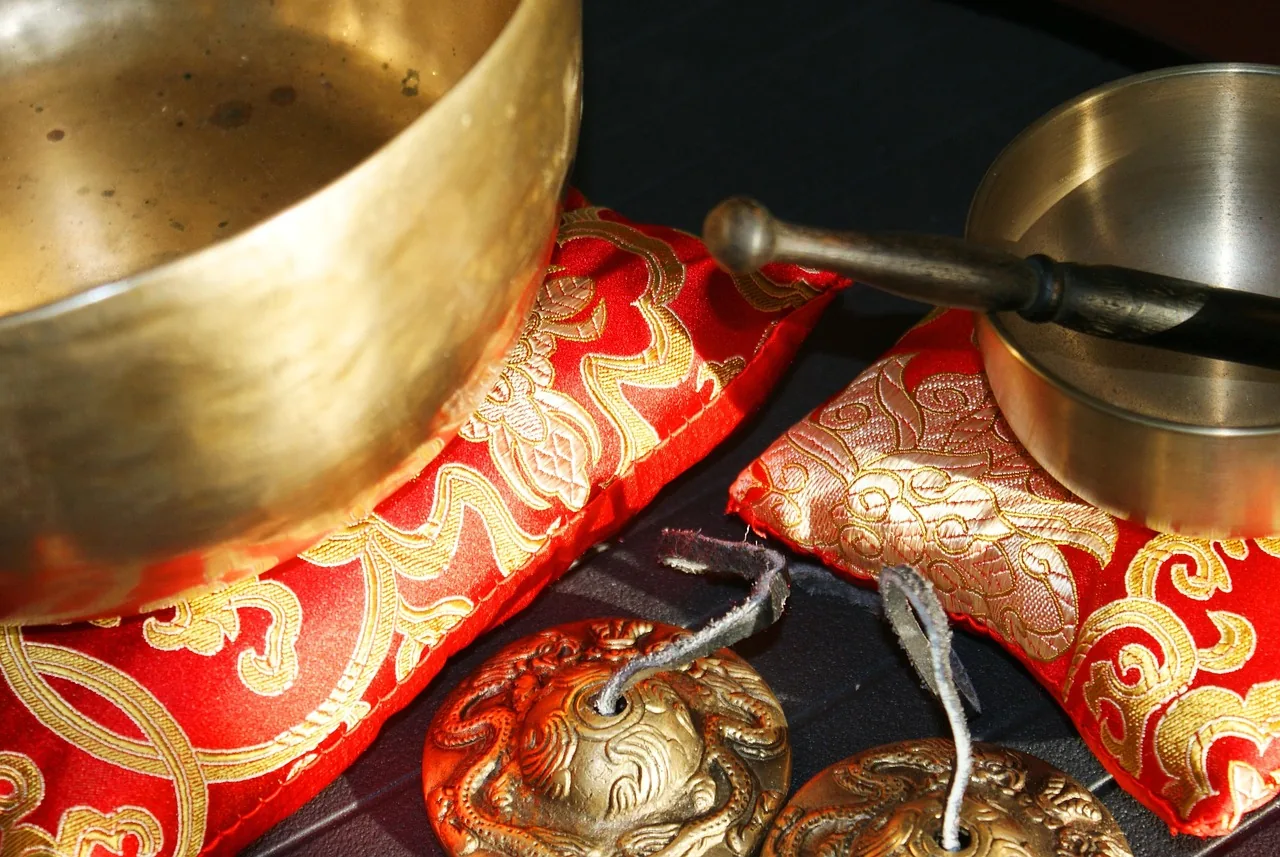
- Absolute contraindications: people with pacemakers or metal prostheses (interference with vibrations).
- Precautions: pregnant women (>8 months), uncontrolled epilepsy.
- Possible adaptation for children with ADHD (>7 years), with short sessions.
"My cardiologist approved the sessions despite my medical history. The effects on my stress were immediate."
Professionals recommend rigorous quality follow-up:
- Detailed case history before each session.
- Alternative for pregnant women: off-body work (without direct contact).
- Partnerships with rehabilitation centers for specific adaptations.
The nervous system reacts differently depending on the person. One study shows a 40% improvement in relaxation among seniors, using adapted protocols.
Where can you find quality Tibetan bowls?
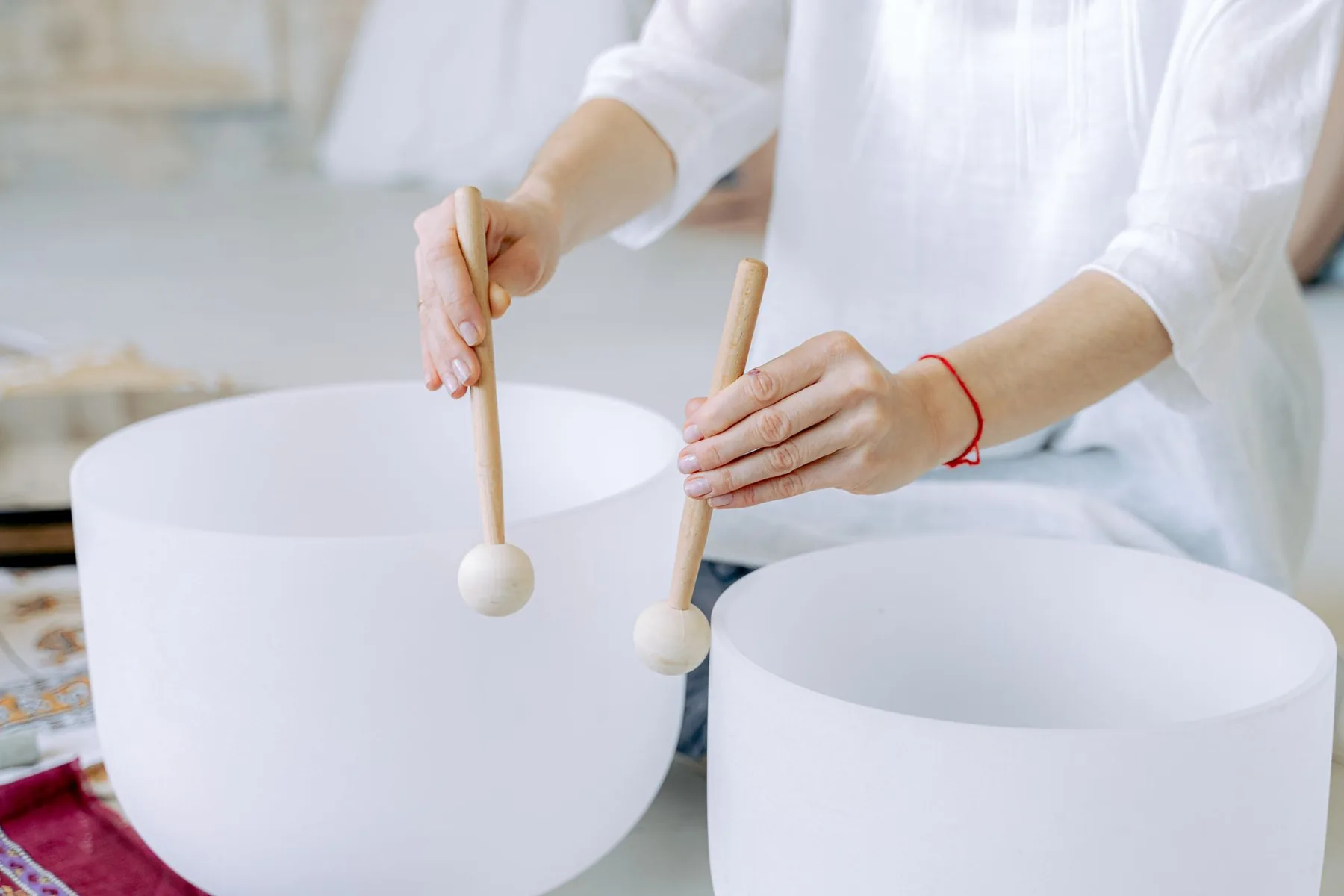
Finding a genuine Tibetan bowl requires close attention to detail. Prices generally range from EUR80 to EUR400 depending on size and authenticity.
| Type | Average price | Advantages |
|---|---|---|
| Small (10-15 cm) | EUR80-150 | Ideal for starting out |
| Medium (16-25 cm) | EUR150-250 | Versatile |
| Large (26+ cm) | EUR250-400 | Deep vibrations |
The best models come from Nepal. Always look for a certificate of origin. The ideal buying periods are March and April, during traditional forging seasons.
"A real Tibetan bowl resonates for at least 90 seconds. That is the first test to perform."
Here are 5 criteria for checking authenticity:
- Visible hammering (a sign of handmade production)
- 7-metal alloy (negative magnetic test)
- Pure sound, without dissonance
- Balanced weight
- Traditional engravings
Reliable brands include Himalaya Crafts and Singing Bowl Therapy. They guarantee optimal quality.
For maintenance, use white vinegar diluted in water. Then apply a thin layer of beeswax. This preserves the vibrations.
Beware of counterfeits made from simplified alloys. These cheap copies do not offer the same benefits. Every authentic bowl is unique.
Conclusion
Scientifically demonstrated benefits are opening new therapeutic perspectives. Studies confirm the impact of vibrations on body-mind balance, with promising applications in hospital settings.
For deep relaxation, personal experimentation remains the best approach. A special playlist can extend the effects between sessions.
Ready to experience it? Book a discovery session at Les Jardins Suspendus. As a Tibetan proverb says: "Inner silence is the finest music."
FAQ
Where do Tibetan bowls come from?
Why are the bowls made from 7 metals?
How does a sound massage act on the body?
Does a session require any special preparation?
Who can benefit from this practice?
Where can I buy a good-quality bowl?
Source Links
- Neurophysiological effects of a singing bowl massage
- Exploring the healing power of singing bowls
- Standing bell
- Tibetan singing bowls: origins and timeline
- Everything you need to know about Tibetan singing bowls
- Music and health
- Effects of singing bowl sound meditation
- Therapeutic effects of singing bowls
- Tibetan Singing Bowl intervention systematic review
- How to practice sound therapy with a Tibetan singing bowl
- Singing bowl sound and meditation brainwaves
- Are there health benefits to Tibetan singing bowls?
- Sound therapy overview
- Tibetan Singing Bowl collection
- Sound meditation research
- Benefits and uses of Tibetan singing bowls
- Sound healing research overview
- Singing bowl therapy research