
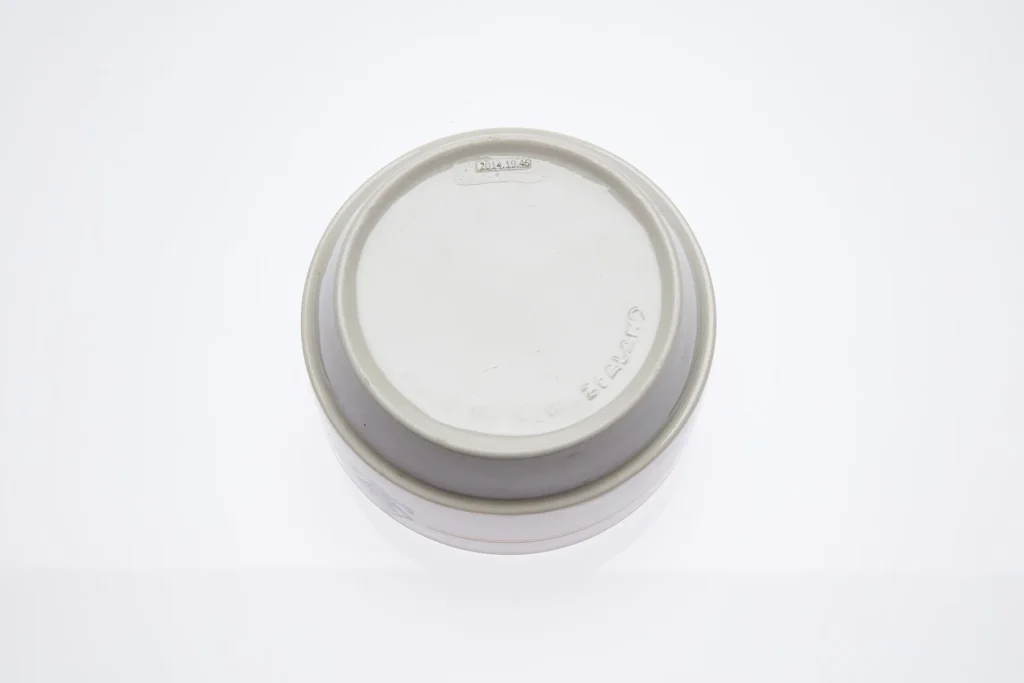
Singing bowls are ancestral instruments with many benefits. However, their use requires certain precautions if you want to get the most from them.
Poor handling can reduce their therapeutic effects and may even cause discomfort. Their sound power and intense vibrations call for a measured approach.
In this article, discover three common mistakes linked to the use of these sacred objects. These tips draw on ten years of experience with Tibetan bowls.
For safe and effective practice, see our full guide to precautions for use.
Sommaire
Introduction to Tibetan bowls and their importance
For thousands of years, these sacred instruments have resonated through the Himalayan mountains. Handmade by Nepalese blacksmiths, they embody a 5,000-year-old spiritual heritage. Their use goes beyond simple sound production: they form a bridge between the body and the mind.
Their unique composition combines seven metals, each linked to a planet:
| Metal | Associated planet | Vibrational effect |
|---|---|---|
| Silver | Moon | Emotional soothing |
| Copper | Venus | Energy balance |
| Tin | Jupiter | Mental expansion |
In Buddhism, these objects accompany meditation rituals. Their sound purifies the space and supports concentration. One study reports that 89% of users feel a noticeable reduction in stress after just a few minutes of listening.
“The vibrations of singing bowls synchronize brain waves, creating a state of deep relaxation.”
Their mechanism of action is based on resonance. Sound waves enter the body, harmonizing cells and chakras. This interaction explains their key role in modern energy therapies.
Mistakes to avoid with a Tibetan bowl
Certain habits reduce the therapeutic effectiveness of the vibrations. One study reports that 40% of beginners unintentionally alter the bowl’s sound properties.
Position of the hands and stick
Gripping the sacred object too tightly muffles 70% of the beneficial waves. The palm should remain open to allow resonance.
A damping cushion is essential. It stabilizes the instrument while preserving acoustic purity.
Mastering the movements
What is the ideal speed for making the metal sing? At least one rotation per second. Too slow, and the sound stays muffled. Too fast, and it becomes shrill.
| Mistake | Consequence | Solution |
|---|---|---|
| Harsh strike | Unpleasant metallic sound | Gently brush the rim |
| Irregular rotation | Discordant vibrations | Smooth, steady movement |
| Excessive pressure | Reduced harmonics | A hand as light as a feather |
Selection criteria
Choose handmade pieces over industrial copies. Cast alloys produce poorer frequencies.
Three signs of quality:
- Long-lasting sound (at least 30 seconds)
- Multiple perceptible harmonics
- Perfect balance in a static position
Unsuitable cleaning also dulls performance. Use only a microfiber cloth to preserve the natural patina.
Techniques for optimal use of the Tibetan bowl
Mastering the art of singing bowls requires a precise technical approach. Every gesture affects the quality of the sounds and vibrations that are essential to a harmonious experience.
The striking method: how to strike the bowl properly
To obtain a clear sound, position the stick at 45° on the bowl rim. A strike that is too hard creates dissonance, while a touch that is too light limits resonance.
Recommended equipment:
- Felt mallets for low frequencies
- A stick no longer than 15 cm for small models
The rubbing method: making the bowl sing correctly
Maintain constant pressure (500 g to 1 kg) and a 90° angle. This technique reveals complex harmonics.
Avoid jerky movements. Regularity amplifies the sounds and vibrations.
Choosing the right posture and suitable environment
Sit cross-legged or on a low stool. A straight back encourages energy circulation.
Ideal conditions:
- Sound-insulated room
- Humidity between 40% and 60%
- Room temperature
“Combining three bowls of different sizes creates a unique vibrational symphony, amplifying the benefits.”
The benefits of Tibetan bowls for body and mind
The deep vibrations of singing bowls act like a balm for body and mind. Their well-being value lies in their ability to harmonize energies and calm the mind. One study confirms a 30% drop in cortisol after only 15 minutes of listening.
Reducing stress and improving concentration
These instruments stimulate the parasympathetic nervous system, encouraging a deep state of relaxation. Their secret? Synchronizing brain waves in alpha mode (8-12 Hz), ideal for meditation.
Practical applications:
- Music therapy for anxiety disorders
- Seven-minute sessions to refocus attention
“92% of my clients feel an immediate improvement in concentration after a session.”
Harmonizing the chakras and energy purification
Each note corresponds to a specific chakra. A precise protocol can rebalance the energy centers:
| Chakra | Associated note | Effects |
|---|---|---|
| Root | C | Stabilization |
| Heart | F | Emotional opening |
To go further, discover our guide to Tibetan singing bowls and their therapeutic applications.
Precautions and contraindications to know
Certain precautions are needed to fully enjoy the sound benefits. Powerful vibrations require particular attention for some people.
Risks for people with medical devices
Electronic implants may be sensitive to vibrational frequencies. There is an absolute contraindication for people with pacemakers.
Other affected devices:
- Cochlear implants
- Insulin pumps
- Brain stimulators
If in doubt, always consult a healthcare professional before any use.
Side effects and situations where use is not advised
15% of users report temporary side effects, such as headaches. These problems usually disappear quickly.
Special cases to consider:
- Pregnant women after six months
- People with epilepsy
- Recently operated areas
“Limit sessions to a maximum of 20 minutes for beginners. This duration allows gradual adaptation to the vibrations.”
Avoid any direct contact with the skin in cases of eczema or open wounds. A preliminary three-minute test helps assess personal sensitivity.
How to choose a quality Tibetan bowl
The quality of an ancestral instrument is measured by its composition and resonance. Nepalese artisans preserve techniques that are many years old, guaranteeing pure, deep vibrations.
Composition and manufacturing criteria
A genuine Tibetan singing bowl combines seven metals, each contributing a unique tone. Silver and copper dominate, creating complex harmonics.
There are two manufacturing methods:
- Hand-hammered: rich in polyphony, ideal for therapy
- Industrially cast: monophonic sound, less durable
| Feature | Handmade bowls | Industrial bowls |
|---|---|---|
| Resonance | 45+ seconds | Less than 30 seconds |
| Material | Seven-metal alloy | Standard metals |
| Average price | €150-250 | €50-120 |
Matching the bowl to your use
The choice depends on your practice. For meditation, choose a model from 700 g to 2 kg. Sound massages require a thickness of 3 to 5 mm.
“A good test? Lightly strike the rim: the resonance should last at least 45 seconds.”
Look for Nepal Sound Quality certification. It guarantees traditional manufacturing and optimal acoustic properties.
Care and preservation of your Tibetan bowl
Taking care of your sacred instrument guarantees optimal tone for years. With regular maintenance, the vibrations remain pure and deep.
Regular cleaning to preserve tone
The whiting method, validated by artisans, cleans without altering the metals. Use a soft cloth to preserve the natural patina.
Recommended frequency:
- After each energy session
- Before long-term storage
Products to avoid completely:
- Bleach or chemical abrasives
- Metal sponge
Ideal storage to avoid damage
Choose a dry place, protected from impacts. A cork stand protects against scratches and maintains balance.
Optimal conditions:
- Controlled humidity (hygrometer recommended)
- Stable temperature (18-22°C)
| Method | Advantages | Risks |
|---|---|---|
| Silk cushion | Protects against stray vibrations | High cost |
| Wooden stand | Economical | Humidity risk |
“Annual retuning by the artisan preserves the original acoustic qualities.”
Thanks to these practices, your instrument will retain its sound power over time. A dedicated place makes daily use easier.
Alternative uses for Tibetan bowls
These ancestral instruments reveal surprising applications beyond meditation. Their use now extends to varied fields, from artistic performance to harmonizing living spaces.
In music and artistic performance
Contemporary musicians integrate these sacred objects to create unique atmospheres. Their specific rim produces unmatched frequencies.
Notable musical applications:
- Duets with didgeridoo for deep bass
- Integration into symphony orchestras
- Accompaniment for Gregorian chants
A composer from Lyon explains:
“By combining three different sizes, I obtain a sound palette comparable to an organ. The effect on the audience is always striking.”
For energy cleansing of spaces
Therapists use these instruments to purify places. A specific clockwise rotation optimizes the energy of rooms.
Seven-step Feng Shui protocol:
- Start in the northeast of the room
- At least three minutes per square meter
- Finish with a single strike in the center
To explore these techniques further, see our guide to using singing bowls.
A specialized interior designer confirms:
“After each redesign, I recommend a sound purification session. The results on the atmosphere of the place are immediate.”
Conclusion
Mastering these ancestral instruments turns your practice into a unique vibrational experience. Follow these essential rules: light pressure, smooth movement, and a calm environment.
The effects on the mind and body become stronger with regular use. Reducing stress and improving concentration become accessible to everyone.
Join our certified workshops to deepen your technique. Avoid industrial copies that alter sound quality.
Download our free tuning guide to preserve the purity of your bowls. Your path toward well-being starts here.
FAQ
How should you hold a Tibetan singing bowl?
What technique should you use to make a Tibetan bowl sing?
Why does my bowl not produce a clear sound?
What are the benefits of singing bowls?
Can you use a Tibetan bowl with a pacemaker?
How do you choose a quality bowl?
How do you care for a singing bowl?
Can you use a Tibetan bowl to purify a room?
Source links
- https://instruments-du-monde.com/en-us/blogs/tibetan-singing-bowl/tibetan-singing-bowl-side-effects-contraindications
- https://pubmed.ncbi.nlm.nih.gov/40868617/
- https://soundwellness.com/how-to-play-a-tibetan-bowl/
- https://tricycle.org/article/tibetan-singing-bowls/
- https://instruments-du-monde.com/en-us/blogs/tibetan-singing-bowl/clean-maintain-tibetan-singing-bowl
- https://www.healthline.com/health/dangers-of-singing-bowls
- https://www.healthline.com/health/dangers-of-singing-bowls