
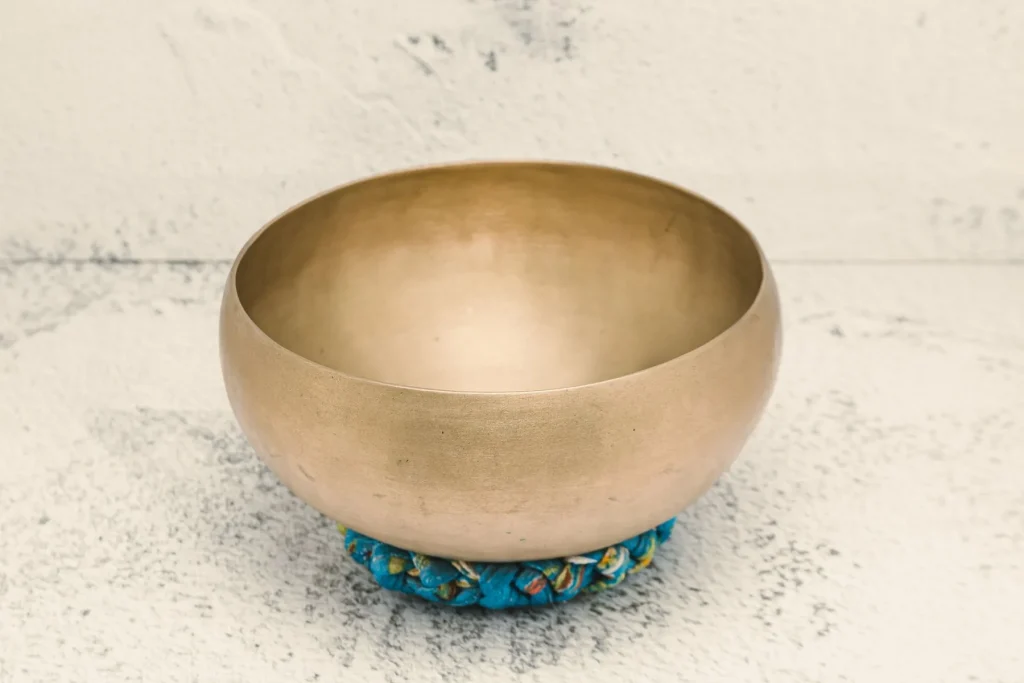
For centuries, these unique instruments have combined spirituality with artisanal know-how. Made from an alloy of seven metals, they are far more than simple objects: they are carriers of harmony and well-being.
Each metal carries deep symbolism, linked to planets and cosmic energies. Gold represents the Sun, silver the Moon, while iron embodies Mars. These associations enrich their use in meditation or sound therapy.
Choosing this kind of instrument is above all a matter of feeling. The sound, the vibration, and even the appearance play a key role in this personal connection. Brands such as OM SAJAN and Full Moon carry this tradition forward with excellence.
Whether to soothe the mind, balance energies, or simply bring a Zen touch to an interior, these ancestral objects offer many possibilities. Their power lies in this versatility, which has crossed the ages.
Sommaire
The fascinating history of Tibetan bowls
The story of singing bowls begins with the nomads of the Asian steppes. Five thousand years ago, these artisans hammered copper to create cooking vessels. Their spiritual use emerged through shamans, who discovered their calming vibrations.
Nomadic and shamanic origins
Mongolian nomads were the first to shape these objects. Their ancestral know-how included precise hammering techniques. Shamans, guided by spirits, used them in healing rituals.
The evolution toward Tibetan Buddhism
The Bön tradition, a pre-Buddhist religion, incorporated these bowls into its practices. Later, Tibetan monks adopted the instrument for meditation. Its symbolism became richer with the arrival of Tantric Buddhism.
The meeting of Nepalese blacksmiths and Tibetan miners
A unique collaboration arose between Tibet and Nepal. Tibetan miners supplied the metals, while Nepalese blacksmiths perfected the manufacturing. This synergy gave birth to the iconic seven-metal alloys.
- Ancestral techniques: hammering methods kept secret by artisan families.
- Spiritual transition: from shamanic rituals to Buddhist ceremonies.
- Geographic specialization: Tibet for resources, Nepal for craftsmanship.
The artisanal making of singing bowls
The magic of singing bowls comes from a meticulous artisanal process rich in symbols. Each piece is unique, shaped according to techniques passed down for centuries. Two main methods coexist, each influencing the sound and energy of the object.
Molded and cast bowls: technique and sound
Molded bowls are created by pouring brass into limestone molds. This technique produces a simple, regular sound, ideal for beginners. Slow cooling in the mold ensures a homogeneous structure.
Hand-hammered bowls: ancestral know-how
Artisans favor hammering in winter for superior quality. Cold strengthens the molecular structure of the metals. Each hammer blow creates rich harmonics, characteristic of exceptional singing bowls.
The role of hammerers and their secret techniques
A team of four artisans works on each piece: three hammerers and one master craftsperson. Their precise gestures follow a 12-step process, including acid quenching and etching. The alloys, blending copper and tin, remain closely guarded.
- High wages: hammerers can earn up to EUR 1,500 per month, reflecting their expertise.
- Finishes: aged patina or “shiny” brightness to suit each use.
- Sacred motifs: hand-engraved to reinforce the spiritual dimension.
The composition of 7-metal Tibetan bowls
Behind every vibration lies a subtle alchemy. These instruments combine seven elements with unique properties, each linked to a specific cosmic energy.
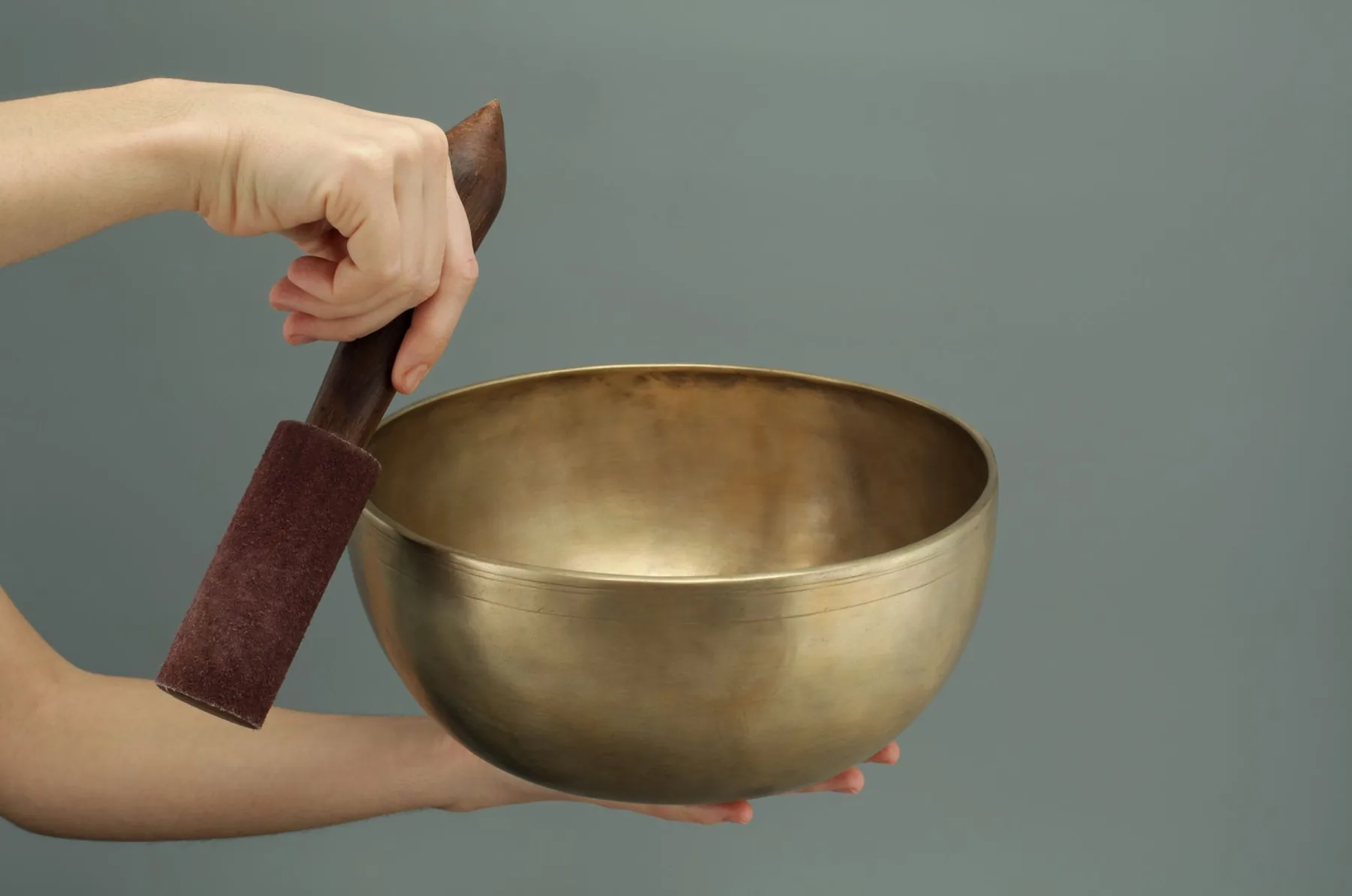
The 7 metals and their planetary correspondence
Each metal resonates with a celestial body. This connection influences its effects on the body and mind.
| Metal | Planet | Energy |
|---|---|---|
| Gold | Sun | Vitality |
| Silver | Moon | Intuition |
| Iron | Mars | Strength |
| Copper | Venus | Harmony |
| Tin | Jupiter | Expansion |
| Lead | Saturn | Stability |
| Mercury | Mercury | Communication |
“Gold and silver, though present only in tiny quantities, bring their light to the bowl’s vibrations.”
Why are gold, silver, and mercury present?
These rare metals play a major symbolic role. Gold (0.01%) represents purity, while silver (0.05%) represents receptivity.
Mercury, though controversial, is said to be present for its energetic conductivity. Modern analyses, however, reveal a composition dominated by copper and tin (99%).
- Gold: solar symbol, present in trace amounts
- Silver: linked to intuition and cycles
- Mercury: alchemical role in vibrational transmission
To explore these correspondences further, discover the meaning of the metals in the bowls.
Some experts point out that the presence of the seven metals may be a recent tradition dating from the 1970s. Modern alloys often vary between 5 and 12 elements.
Everything you need to know about 7-metal Tibetan bowls: their benefits
The unique vibrations of these ancestral instruments act as a bridge between body and mind. Regular use brings measurable benefits, confirmed by scientific studies.
Rebalancing energy centers
Each metal vibrates in resonance with a specific chakra. This correspondence allows targeted work on energy blockages.
| Chakra | Note | Frequency |
|---|---|---|
| Muladhara (root) | C | 256 Hz |
| Svadisthana (sacral) | D | 288 Hz |
| Manipura (solar) | E | 320 Hz |
| Anahata (heart) | F | 341 Hz |
| Vishuddha (throat) | G | 384 Hz |
| Ajna (third eye) | A | 426 Hz |
| Sahasrara (crown) | B | 480 Hz |
“Sound waves penetrate tissue to a depth of 4 cm, releasing muscular and emotional tension.”
Tools for deep relaxation
Their enveloping sound induces a state of natural meditation. One study shows a 30% drop in cortisol levels after 15 minutes of listening.
Therapists use two main methods:
- Direct application on the body (sound massage)
- Strategic placement around the person
Advanced therapeutic applications
In sound therapy, they enhance other practices:
- Purifying stones in lithotherapy
- Strengthening Reiki sessions
- Optimizing acupuncture
According to Feng Shui principles, their use in a space:
- Dissipates stagnant energies
- Restores the circulation of Chi
- Creates a serene atmosphere
These multiple benefits explain their growing popularity in modern holistic approaches.
How to choose your Tibetan bowl
A thousand-year-old instrument deserves thoughtful selection. Several criteria determine the fit between a bowl and your needs, whether for meditation or sound therapy.
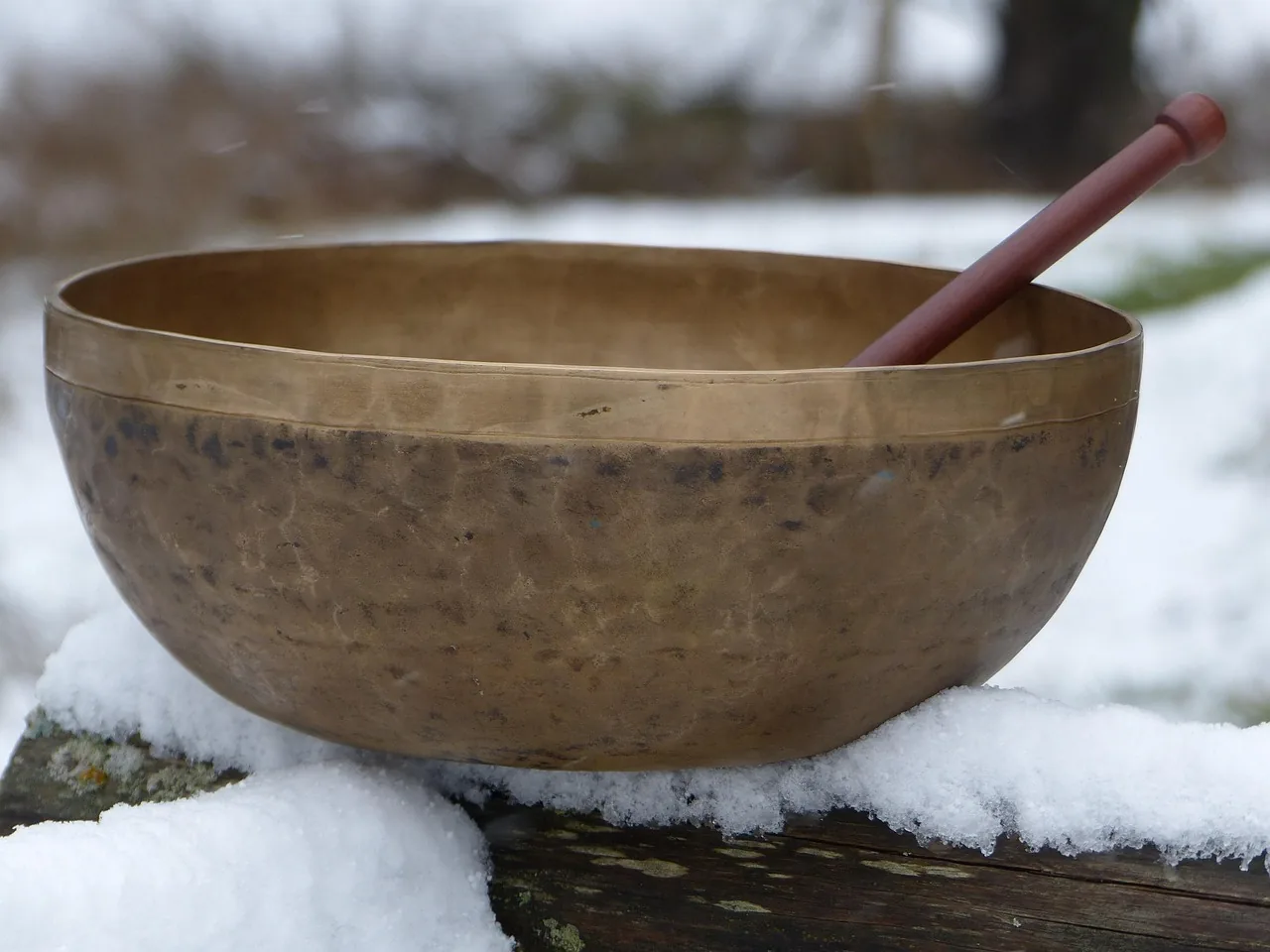
Weight and size criteria according to use
Weight directly influences practice. For meditation, choose models between 700 g and 2 kg. Therapists will prefer heavier versions (3 kg and above).
Size also plays a key role:
- 10 cm in diameter: ideal for travel
- 25 cm minimum: recommended for energy sessions
The differences between thick and thin bowls
Thickness changes the sound and use:
| Type | Sound | Recommended use |
|---|---|---|
| Thick | Low and deep | Sound massage |
| Thin | High and focused | Meditation |
Patan bowls offer excellent versatility, while Jumkha bowls stand out for their vibrational power.
Excellence bowls: OM SAJAN and Full Moon
Some brands embody exceptional craftsmanship. OM SAJAN comes from the collaboration between Sajan Thapaliya and Santa Ratna Shakya, ensuring perfect tonal accuracy.
Full Moon bowls, made only during full moons, capture a unique energy. Their excellence criteria include:
- Prolonged sustain (sound duration)
- A rich harmonic profile
- Natural or shiny finishes
“A good bowl is chosen first by ear. Its timbre should resonate within you as something obvious.”
For beginners, commented audio files make remote selection easier. Some suppliers even offer unlimited exchange guarantees.
Techniques for making your Tibetan bowl sing
Mastering the art of making a Tibetan bowl sing requires patience and technique. This ancestral instrument reveals its finest vibrations when certain fundamental principles are respected.
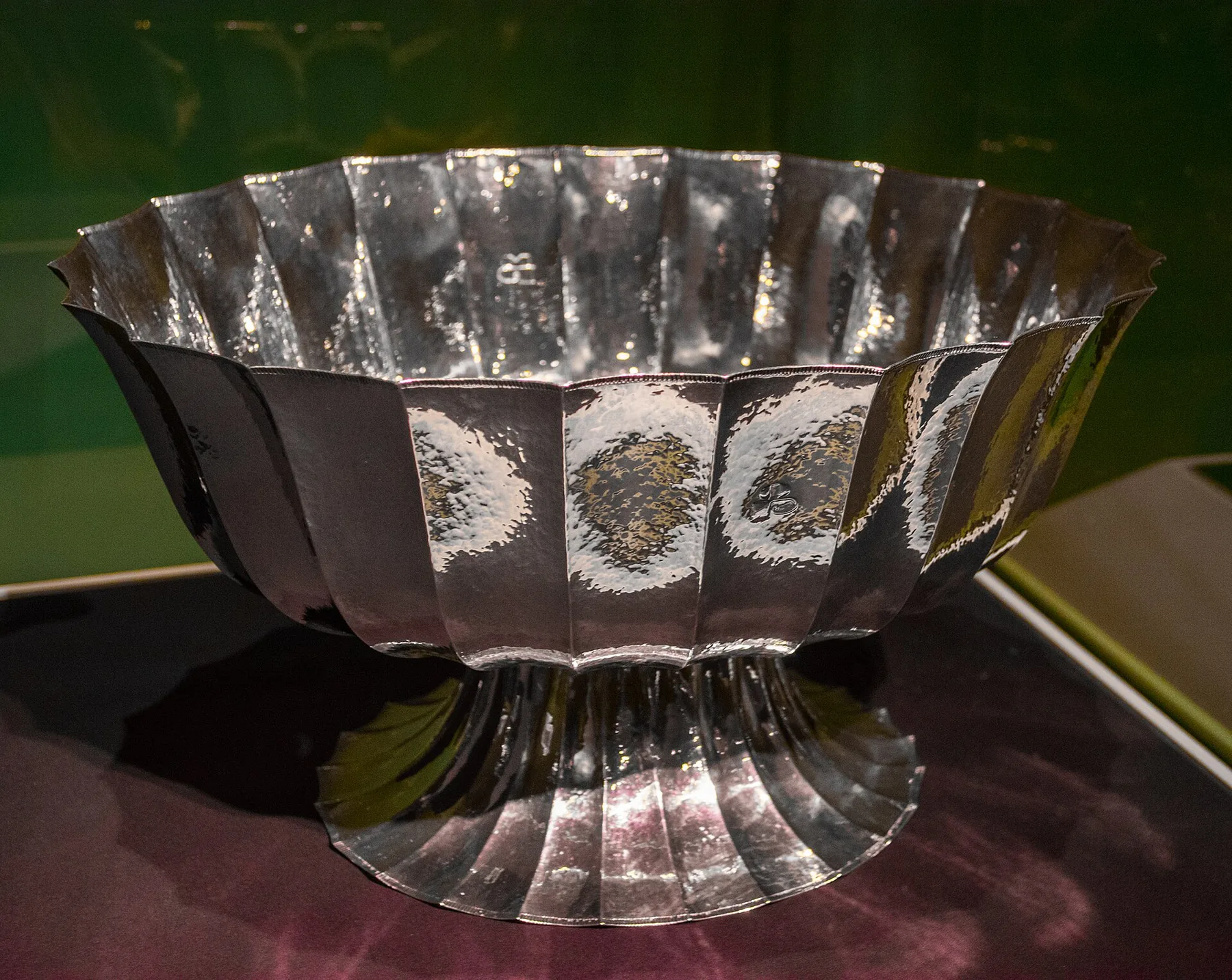
Pressure and speed: the keys to harmonious sound
The quality of the notes depends on two elements: the pressure applied and the speed of rotation. A golden rule? One full circle every 3 seconds.
Position your elbow at bowl height for optimal control. Maintain constant pressure with the mallet while turning slowly.
- Beginner method:
– Place your hands at 45 degrees
– Begin with a steady movement - Desired effect: deep, prolonged vibrations.
Choosing between the leather side and the wooden side of the mallet
The mallet offers two distinct acoustic possibilities. The leather side produces warm bass tones, ideal for relaxation.
The wooden side, harder, generates higher notes. It is perfect for targeted therapeutic use.
“Alternating leather and wood lets you create a melody rich in harmonics.”
- Care: clean the suede with a dry cloth.
- Tip: use a wool cushion to amplify sustain.
- Mistakes to avoid: rotating too fast or applying uneven pressure.
With these techniques, your instrument will reveal all its sonic power. Regular practice refines mastery of this vibrational art.
Care and precautions to preserve your bowl
Taking care of your vibrational instrument guarantees its longevity and effectiveness. Suitable maintenance preserves sound quality and reinforces its benefits for well-being.
Safe cleaning with natural products
Choose gentle solutions such as Miror® or whiting. These products remove wax residue without altering the metals.
Recommended procedure:
- Wipe gently with a damp microfiber cloth
- Apply a thin layer of food-grade beeswax to protect against oxidation
- Avoid acidic or abrasive products
“Monthly cleaning is enough to maintain shine and vibrational properties.”
Avoiding impacts and extreme temperatures
Sudden variations (> 50 °C) create invisible microcracks. Store your bowl in a felt case at 40% relative humidity.
Essential precautions:
- Transport it in memory-foam padding
- Keep it away from direct heat sources
- Do not expose it to prolonged sunlight
For light scratches, delicate sanding with 2000-grit abrasive paper restores the surface. In case of a major impact, consult a specialized artisan.
Contraindications for use:
- Do not apply to burns or open wounds
- Keep out of reach of young children
- Avoid prolonged contact with water
Conclusion: emotion at the heart of the Tibetan bowl
Choosing your vibrational instrument is above all a sensory experience. Its resonance should touch the body and mind, far beyond technical criteria.
These unique objects become companions for development. Their vibrations accompany meditation and moments of relaxation, creating a deep inner dialogue.
To discover their potential, take part in our workshops on the Île de Ré. These introductions reveal little-known creative uses.
Our ethical commitment supports the Help in Action program. Each purchase helps preserve this ancestral know-how.
Let yourself be guided by how you feel. Sometimes, few words are enough when sounds speak for themselves.
FAQ
What is the origin of 7-metal Tibetan bowls?
How are singing bowls made?
Why do they contain 7 metals?
What are the benefits of these bowls?
How do you choose a quality bowl?
What technique should you use to make your bowl sing?
How do you care for your Tibetan bowl?
Source Links
- https://instruments-du-monde.com/en-us/blogs/tibetan-singing-bowl/tibetan-singing-bowl-7-metals-meaning
- https://antiquesingingbowls.com/about/7-metal-singing-bowls
- https://tricycle.org/article/tibetan-singing-bowls/
- https://tricycle.org/article/tibetan-singing-bowls/
- https://instruments-du-monde.com/en-us/blogs/tibetan-singing-bowl/everything-you-need-to-know-about-tibetan-singing-bowls