

Mallets are not just simple accessories. They shape playing comfort and the color of the sound. Choosing the right model changes the musical experience.
Goal: this guide offers practical advice for selecting mallets, improving your grip, and adopting a simple care routine.
Intended audience: beginners, regular players, group musicians, and relaxation practitioners. You will find clear criteria on materials and tips, striking gestures, and mistakes to avoid.
Important note: keep humidity between 40-60%. Without care, resonance can drop by up to 30% in six months. Poor habits lead to wear and detuning.
The plan follows two tracks: choosing mallets (hardness, tips) and care (gear, instrument, environment). In a few minutes, you will know what to buy and how to extend your equipment’s lifespan.
Sommaire
Why mallets matter as much as the instrument for your sound quality
A simple accessory can transform the way each note resonates. The contact between the tip and the tongue defines the attack, roundness, and duration of the vibration.
Influence on attack, resonance, and precision
A soft tip produces a rounder attack and brings out the harmonics. A hard tip creates a clean attack and a stronger perception of detail.
Stiffness and weight shape resonance: the better the whole set is matched, the more stable the sound quality feels.
Preserving tuning and limiting tongue wear
Strikes that are too hard cause repeated micro-impacts. Over time, wear affects the tuning and precision of the notes.
Dust and particles also disturb frequencies; without care, resonance can drop by up to -30% in six months.
When an accessory improves the musical experience
A simple cause and effect: a suitable accessory = less effort, cleaner sound, better consistency in playing.
A small change in grip or in the choice of tip improves comfort in the hand, reduces unwanted noise, and enriches the experience.
Next, we will cover materials, tips, and hardness, along with good habits to protect your musical instrument.
Tongue Drum Mallets: Materials, Grip, and Care
Each material brings a distinct nuance to the strike and the instrument’s response.
Wood vs synthetic: a wooden handle offers a warmer grip and absorbs vibrations better. However, it can crack if it is too dry; it should be nourished with the oil recommended by the manufacturer.
Synthetic handles remain stable, are less sensitive to humidity, and are often lighter. A rigid shaft gives a direct attack. A flexible shaft offers a softer feel and is more forgiving of mistakes.
Tips: felt produces a soft, warm sound. Rubber is versatile for mixed use. Silicone combines flexibility and control for precise playing.
Density and hardness influence the surface and lifespan of the plates: the harder the tip, the more pronounced the attack, but the greater the risk of rapid wear.
- Quality criteria: solid bonding, centered tip, no burrs, balanced pair.
- Choice by instrument: on a metal drum, watch for oxidation; on a wooden instrument, protect the surface from marks with the right oil.
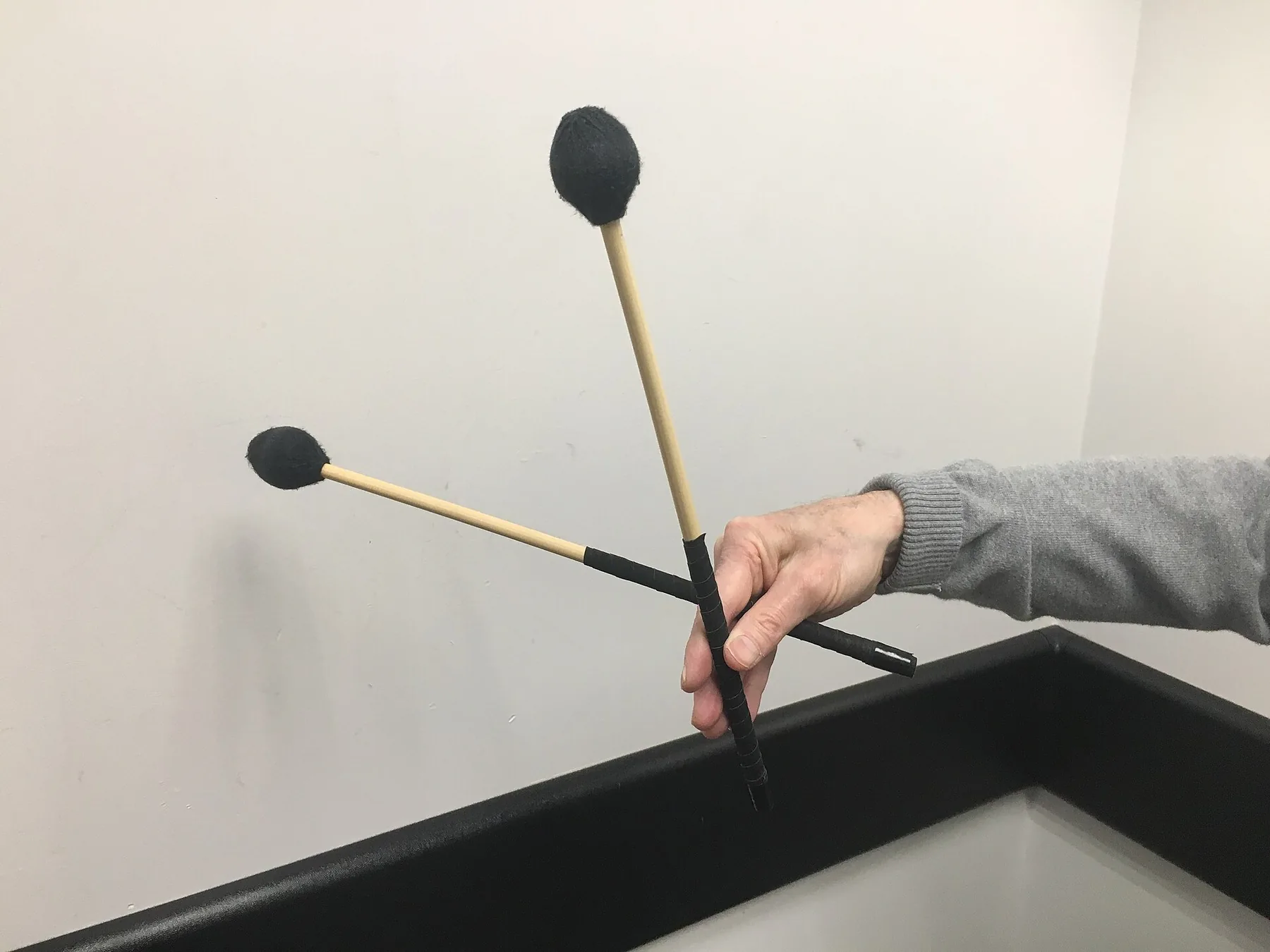
Mini buying checklist: comfort, strike noise, compatibility with your instrument, solo or group use.
Choosing mallets according to your musical use and playing style
Depending on the goal, relaxation, composition, or the stage, the feel should be chosen with care.
Relaxation, meditation, composition: what sensations to look for
For relaxation and meditation, favor a gentle feel with a round attack.
Soft tips reduce aggressive transients and encourage long, soothing notes, often sought after with 432 Hz tuning.
For composition, precision and repeatability come first. Firmer models offer controlled dynamics and clear patterns.
Group playing vs personal use: volume, projection, precision
In a group, projection and rhythmic clarity matter. Harder pieces project better without drowning out other instruments.
For personal use, prioritize comfort to limit fatigue and extend sessions. A volume/control compromise helps avoid unwanted noise.
| Context | Recommended feel | Key benefit |
|---|---|---|
| Relaxation / meditation | Soft, round attack | Long, calm notes |
| Composition | Precise, repeatable | Clear patterns, controlled dynamics |
| Group playing | Firm, projecting | Rhythmic clarity |
| Personal use | Comfort, low fatigue | Longer-lasting enjoyment |
Practical tip: one versatile pair is enough if you learn to shape the sound. Otherwise, keep two pairs suited to the use and to the drums you play.
Grip: how to hold the mallets to play for a long time without fatigue
Hand posture directly influences the regularity of the notes and comfort. Use a relaxed grip: flexible fingers, with thumb and index finger guiding without squeezing.
Hand position and relaxation for an even sound
Relaxing the wrists lets the natural rebound produce a consistent attack. Equal pressure on each strike stabilizes dynamics and improves the quality of the sound.
Striking motion: rebound, attack angle, and control
Strike while letting the handle rebound. Do not “force” penetration into the surface: this causes micro-impacts and damages the instrument.
Keep a consistent attack angle (around 45° depending on the tip) to avoid slipping and unwanted noise.
Adapting technique to models and notes (sensitive zones)
Lighten the force on sensitive zones: some tongues respond more vividly. Adjust height, speed, and trajectory according to the weight, length, and tip of the models.
“An economical gesture, small movements and controlled breathing, makes it possible to play for 20 to 40 minutes without fatigue.”
Practical advice:
- Light grip, mobile wrists.
- Rhythmic breathing to maintain endurance.
- Vary force by zone to preserve the instrument.

| Aspect | Recommendation | Expected effect |
|---|---|---|
| Pressure | Low to moderate | Less wear, purer notes |
| Wrist | Flexible, let it rebound | Regular attack |
| Angle | Constant (approx. 45°) | Less unwanted noise |
| Adaptation | Modify according to models and zones | Optimal control, tongue protection |
For advice on accessories suited to your instrument, discover a useful selection of suitable accessories.
Quick adjustments to shape your sound with the same mallets
Refining the sound does not always require new accessories: often, a few adjustments are enough.
Playing softer without losing clarity
Reduce the range of the gesture while keeping the same contact point. Let the natural rebound do the work.
Tip: strike “just enough” and let each note develop without rubbing the surface.
Increasing power without creating unwanted noise
Work on movement speed rather than brute force. Control the return of the tool to avoid unintended double strikes.
Sources of unwanted noise: angle too closed, damaged tip, strike too close to the cuts, dirty surface.
Avoiding strikes that choke the harmonics
Open the angle slightly if the harmonics are choked. Listen to the fundamental/harmonic balance and adjust.
“A quick test of 3 intensities on the same note lets you hear the balance and adjust in 5 minutes.”
Simple self-test (3 minutes):
- Choose one note.
- Play soft, medium, loud, while keeping the same point.
- Listen to the relationship between fundamental and harmonics.
Adopt a micro-routine before and after each session (quick dusting and visual check) to keep quality stable over time and improve your playing experience.
| Goal | Adjustment | Effect |
|---|---|---|
| Softer | Reduce range, keep the point | Rounder notes, preserved clarity |
| More powerful | Increase speed, control the return | Projection without unwanted noise |
| Harmonics | Adjust the angle, avoid the cuts | Free harmonics, richer sound |
For regular use, discover a suitable selection through this adult handpan selection.
Common mallet mistakes that damage the tongue drum
Simple gestures can harm longevity and sound clarity. Poor habits lead to visible problems and a loss of quality.
Striking too close to the cuts: risks for the tongues
The cuts create mechanically weaker zones. Striking too close weakens the blade, alters vibrations, and accelerates wear.
Result: the note becomes drier, the surface shows marks, and the notes become unbalanced in the mix.
Using worn tips: loss of precision and repeated micro-impacts
A flattened, cracked, or poorly bonded tip turns each strike into a micro-impact. These impacts account for a significant share of reported damage.
Signs to watch for: dry sound, loss of control, tuning changes. If you notice this, change the tip.
- Adjust the strike point toward the center of the tongue.
- Reduce force; favor speed and rebound.
- Alternate models to spread out wear.
“Repeated impacts are behind nearly 45% of repair cases.”
Mini checklist before a session: tip condition, cleanliness, stable instrument placement.
Ignoring this advice can lead to major problems and costly repairs. Protect the lifespan of your drums with simple gestures.

Cleaning your mallets without degrading the tips or quality
Good cleaning extends the lifespan of the parts and maintains a consistent attack. After each session, a simple routine is enough to preserve playing precision.
Cleaning after use: soft cloth and simple gestures
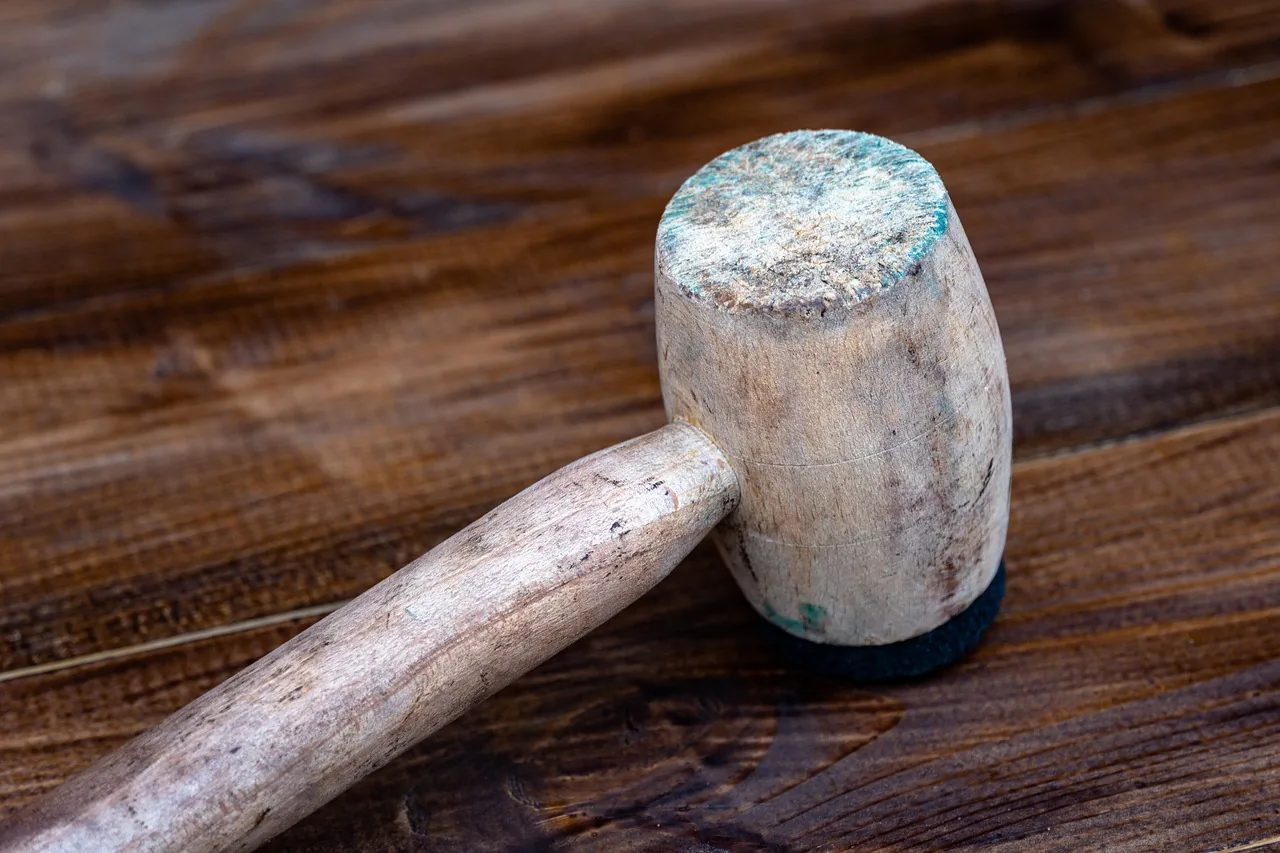
Immediately wipe the handle and tips with a soft cloth made of microfiber to remove sweat, dust, and residue. This prevents buildup that alters sound quality.
When to use a dry cloth vs a slightly damp cloth
For routine care, choose a dry cloth. It is enough for most dirt.
If stubborn marks remain, use a slightly damp cloth (clean water only). Rub gently, then dry without delay.
Drying and storage: limiting odors, dust, and wear
Never soak the parts and do not expose them to sunlight to speed up drying. Avoid solvents, ammonia, and abrasives, which attack glue, rubber, silicone, or felt.
Let them air out for a few minutes after cleaning, then store away from dust, in a suitable cover or case, to limit odors and wear.
“Clean tips guarantee a regular attack and optimal precision.”
| Action | Tool | Expected effect |
|---|---|---|
| Quick wipe | Soft cloth | Removes sweat and dust |
| Stubborn stains | Slightly damp cloth | Cleaning without saturation |
| Drying | Dry cloth + airing | Prevents mold and odors |
| Storage | Clean cover/case | Protection against dust |
Maintaining the tongue drum to protect your mallets too
A clean instrument plays a major role in the longevity of your accessories and the clarity of the sound. Good regular care reduces abrasive deposits that would wear down the tips and surface.
Regular cleaning: microfiber, grooves, and surfaces (typical 40-minute session)
Typical session (40 minutes): start by dusting with a microfiber cloth to remove general dust.
Then pass an interdental brush through the grooves to dislodge trapped particles.
Finish with a final wipe using a dry cloth to avoid residual moisture.
Why lack of care reduces resonance
Without care, dust and particles disturb vibrations. The result is measurable: up to -30% resonance in six months.
A dirty instrument creates more friction between the surface and the tips, which accelerates wear.
Products to avoid: abrasives, ammonia, solvents
Do not use abrasives: they scratch finishes. Avoid ammonia and solvents, which attack varnishes and metals.
Choose a gentle, consistent approach: light cleaning after each session, complete cleaning according to use.
“A simple routine, followed for years, preserves the precision and beauty of the sound.”
- Frequency: light cleaning after each use, complete cleaning every few weeks depending on playing frequency.
- Recommended tools: microfiber, interdental brush, dry cloth.
- Expected effect: less wear, sustained resonance, tip protection.
Humidity, rust, and protective oils: protecting metal and wood
Protecting metal and wood starts with controlling humidity and heat around the instrument.
Recommended level: aim for 40 to 60% relative humidity. This reference point limits corrosion on steel and reduces wood deformation.
70% of acoustic problems come from an unsuitable environment: damp storage, excessive heating, or rapid changes.
Oil for steel and wood care
Apply a very thin layer of oil to steel using a cloth. Ballistol or WD-40 Specialist are cited, but check compatibility with the manufacturer’s finish so you do not weigh down the vibrations.
For wood, use the oil recommended by the maker or manufacturer. Each species reacts differently; a good oil nourishes without darkening the surface.
Simple protection solutions
- Place silica gel packets in the case or cover.
- Store the instrument away from sunlight and temperature swings.
- Regular protection extends the lifespan and maintains sound quality.
Transport and case: avoiding everyday impacts and scratches
Transporting a poorly protected instrument is often enough to cause visible and audible damage.
Impacts remain common: up to 45% of damage comes from small shocks during transport. Vibrations, side knocks, or short drops leave marks, alter tuning, and affect the quality of the sound.
Choosing a suitable case
Favor a case with dense padding, corner reinforcements, and a reliable closure.
- Padding: high-density foam to absorb impacts.
- Reinforcements: protection on edges and corners.
- Interior pockets: stable storage for mallets and accessories.
Good surfaces for setting it down
Avoid hard floors and table edges. Place the case on cork, foam, or thick fabric to limit micro-impacts.
In the car, stabilize the case to reduce sliding and side knocks.
Simple habits for better protection
Always put the instrument in its case before any move. Test how the accessories sit and check that there is no internal play.
“Repeated micro-impacts eventually detune the notes; good protection avoids costly repairs.”
For practical advice on choosing a case and other aspects, see this verification guide.
When to replace your mallets and when to consult a professional
Spotting signs of wear early saves time and money over the long term.
Clear signs of wear
Replace the tips if you notice: flattened tips, loss of clarity, irregularities to the touch, a slipping sensation, or lack of control.
If the bonding fails, if the shaft warps, or if the balance changes, replace the whole pair.
Inspection frequency
- Occasional use: quarterly check.
- Regular use: monthly check.
- Professional use: weekly inspection.
Major problems and signs that you should consult a professional
Consult a professional if the tuning remains unstable despite adjustments, if you observe advanced corrosion on the steel, or cracks in the wood.
“A persistent discrepancy deserves expert assessment.”
Budget and prevention logic
Preventive care costs little: about €20 in products per year. A metal repair is around €150. Wood interventions are generally about 20% more expensive.
Simple rule: small regular care = fewer problems over several years and better sound quality.
| Symptom | Action | Indicative cost |
|---|---|---|
| Worn tips | Replace the tips | Low |
| Loose bonding / warped shaft | Replace the pair | Medium |
| Persistent detuning / corrosion / crack | Consult a professional | Approx. €150 (steel) / +20% (wood) |
Conclusion
To finish, focus on the winning trio: the right accessory choice, a controlled gesture, and a protection routine.
Action plan: choose suitable mallets (tips, hardness), improve your grip, and apply regular care to the gear, the instrument, and its environment.
Useful reminders: aim for 40-60% humidity; without care, resonance can drop by up to -30% in six months, and impacts account for up to 45% of damage. Avoid abrasives, ammonia, and solvents.
Adopt a simple mini-routine: wipe with a soft cloth, protected storage, visual tip check, and cleaning of surfaces and grooves.
Goal: achieve stable sound quality, a more enjoyable musical experience, and a longer lifespan for your instrument.