

Quick overview: This article offers a comparative test of the most sought-after models, with a practical focus for buying in France. We assess the sonic energy range using concrete criteria: tone, sustain, ergonomics, and accessories.
Why read this guide? The aim is not to repeat the marketing, but to offer an opinion based on useful measurements for meditation, studio work, or travel. The test compares the compact format with the larger version for projection and harmonic richness.
Practical points: we also explain how to check stock and in-store pricing, which options and accessories are included, and how to choose according to your use and budget.
Roadmap: section 2 explains why to choose these instruments, section 3 gives the test, section 4 helps you choose, and section 5 concludes with a recommendation.
Sommaire
Why choose a Meinl Sonic Energy tongue drum for meditation, yoga, and music
Choosing an instrument for meditation often means looking for a tone that soothes and surrounds you. The sonic energy collection is built around this idea: tools designed for sound wellness, relaxation, and guided sessions such as yoga or sound baths.
The philosophy and sound-wellness positioning
The approach aims for harmony and energy through selected frequencies. The instruments often include practical accessories: bags, stands, and mallets.
Steel tongue drum vs other intuitive percussion instruments
A steel tongue drum offers a soft metallic timbre, long sustain, and harmonics that recall a handpan. It lets you play coherent melodies without extensive musical training.
- Advantages: intuitive playing, repeating phrases, stable atmosphere.
- Limits: less dynamic range than a high-end handpan; palette depends on the tuning.
- Octave steel: adds depth and a broader perception of musical patterns.
To learn more about choosing and finding models suited to wellness practice, see our practical tongue drum guide or explore online sales options at an instrument shop.
Meinl Sonic Energy tongue drum: review of the mini and octave steel models
The Medium Octave takes a different approach to the tuned drum, with tongues that double intervals to enrich each note.
Presentation and perceived quality
Built from stainless steel, the model feels robust. The finish, sometimes engraved, adds an aesthetic touch that is useful in the studio or on the move.
Tuning and scale
The design offers a central low note and eight surrounding octave notes. The D Kurd tuning covers D3 to A4, with notes suited to meditative atmospheres and simple harmonic sequences.
Tone, ergonomics, and accessories
The sound is full, with generous sustain and clear harmonics. The hole under the drum and its silicone plug let you choose between broad diffusion and a more focused sound.
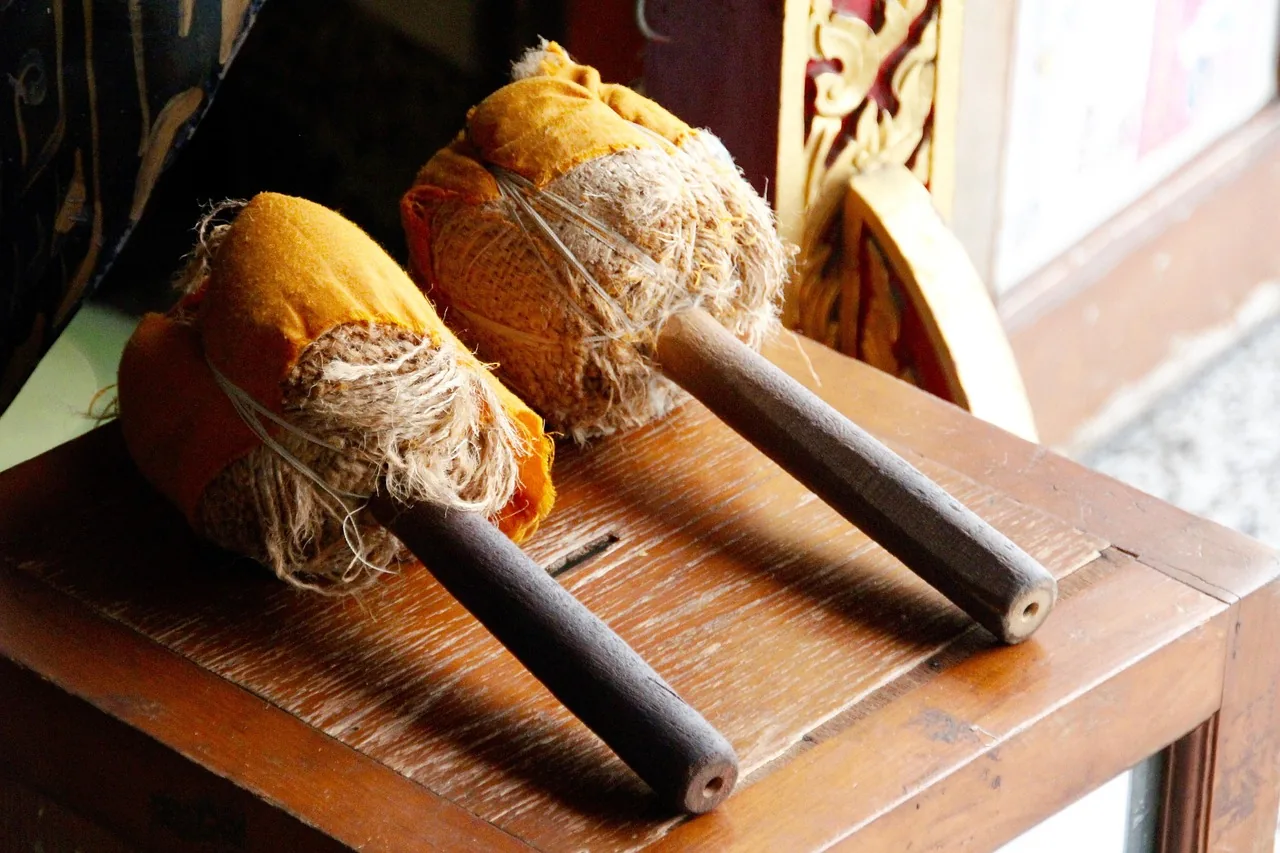
- Playing: with fingers for intimacy, or with wooden mallets with rubber heads for more attack.
- Stability: three non-slip feet reduce sliding without choking the sustain.
- Transport: durable nylon case/bag with handle; light protection for short trips.
“A sound close to a handpan, portable and well designed for guided practice.”
To compare formats and use cases, see our practical guide.
Mini or Octave Steel: how to choose the right model for your use and budget
Between portability and sound projection, your priority will determine the model to favor.
For beginners: easy handling and intuitive playing
Compact format = easy to carry and reassuring for a beginner. A pre-tuned instrument lets you play without wrong notes and learn a simple pattern in a few minutes.
For studio and sound design
The appeal of octaves lies in their harmonic thickness. The silicone plug adjusts projection, which is useful for close recording or for focusing resonance.
For wellness practice
For sound baths and relaxation, favor a gentle dynamic: mallets with rubber heads or finger playing. A durable nylon case makes it easier to move between classes.
Concrete buying criteria in France
Reference prices: around EUR 219.00 (10″) and EUR 349.00 (15.7″). Check stock and delivery before confirming your cart.
| Use | Recommended format | Useful accessories |
|---|---|---|
| Beginner / travel | Compact (10″) | Nylon case, light mallets |
| Studio / recording | Large (15.7″) | Wood + rubber mallets, silicone plug |
| Wellness / yoga | Depending on the room (moderate projection preferred) | Case, non-slip feet, rubber mallets |
“Check the bundle contents and return policy before purchase.”
Before buying, consult reference information on the steel tongue drum, a dedicated collection, and an article on the role of Tibetan bowls to refine your checklist.
Conclusion
In summary, our review highlights an instrument with a meditative timbre close to a handpan, built from stainless steel with octaves and adjustable projection thanks to the silicone plug.
Why choose this model? It combines stability, harmonic richness, and portability. The compact format suits beginners who play by hand, while the larger version works better in the studio or for group sessions.
The accessories make a difference: a nylon case/bag makes transport easier. Rubber heads moderate attack and volume. Consider combinations with drums and other percussion instruments for a coherent mix.
Final check: verify the format, tuning, accessories (nylon case, heads), main use, and shop availability before buying.