
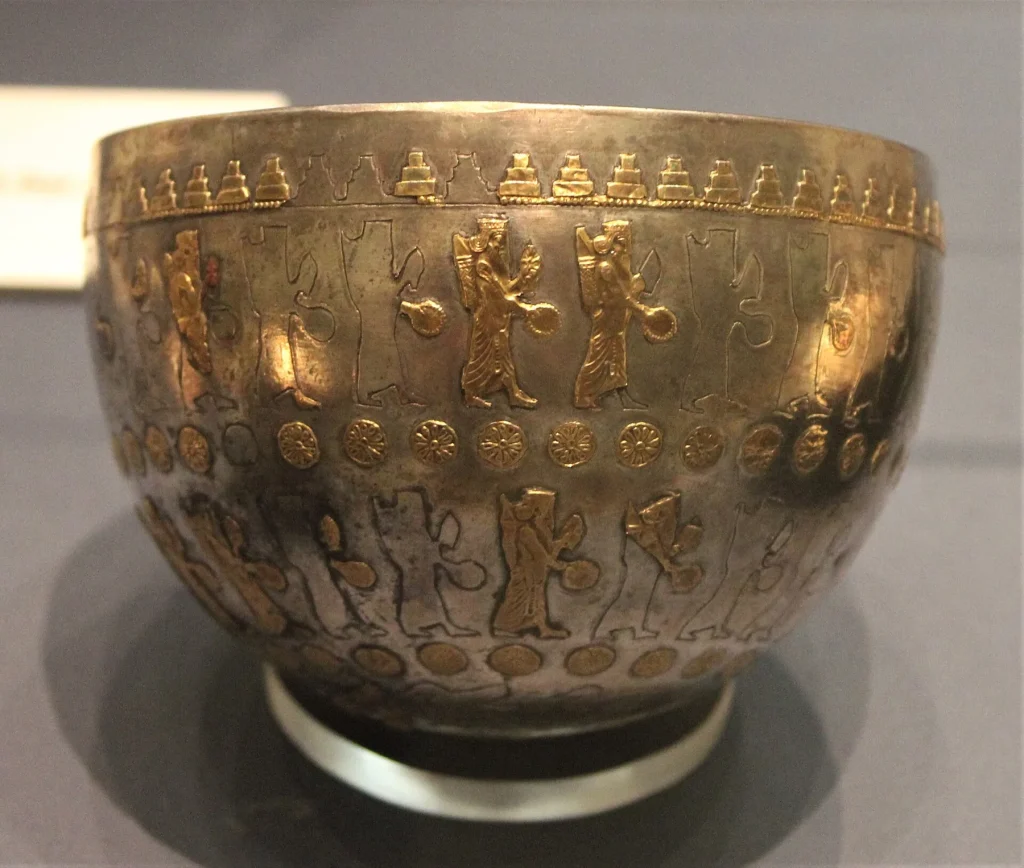
For centuries, Tibetan singing bowls have accompanied spiritual and meditative practices. Their deep sound and unique vibrations create harmony between body and mind, making them perfect for yoga.
According to one study, 72% of practitioners feel more focused thanks to these instruments. Their benefits go beyond simple relaxation: they stimulate energy and help rebalance the chakras.
Adding a Tibetan singing bowl to your sessions helps mark transitions, deepen meditation, and strengthen inner connection. Discover how to use it effectively to transform your practice.
Sommaire
What is a Tibetan singing bowl and where does it come from?
Rooted in an ancient tradition, the Tibetan singing bowl fascinates people with its history and vibrational qualities. Used in Buddhist monasteries, it embodies harmony between the material and the spiritual.
An ancestral instrument made from several metals
Crafted by hand, this instrument combines seven precious metals:
- Gold (Sun) and silver (Moon) for energetic balance.
- Copper, iron, and tin, associated with specific chakras.
- Mercury and lead, symbolizing the ancient planets.
Each alloy is hand-hammered in Nepal, creating unique vibrations. The bowls measure between 8 and 17 cm, depending on how they are used.
A Buddhist tradition rich in symbolism
In the Buddhist tradition, these bowls were used to purify spaces and souls. Their sound resonated during prayers and funeral rituals.
Engraved motifs, such as the mantra “Om Mani Padme Hum”, strengthen their sacred dimension. Today, they have moved beyond religious use to reach people seeking serenity.
The benefits of Tibetan singing bowls for yoga
The unique vibrations of this ancestral instrument offer many benefits for yoga practice. They act on the body and mind, creating a perfect synergy between movement and meditation.

Harmonizing body and mind
The vibrations of the Tibetan singing bowl synchronize brain waves. One study shows that they activate alpha waves (8-12 Hz), which are ideal for concentration.
These soothing sounds rebalance the 72,000 nadis, the body’s energy channels. The result: better circulation of prana, the vital energy.
Deep relaxation and stress reduction
According to INSERM, regular use reduces cortisol levels by 40%. It is perfect for Yoga Nidra postures or Savasana.
Sound massage deeply relaxes the muscles. Testimonials from yoga therapists confirm a noticeable improvement in sleep.
Stimulating vital energy (prana)
The bowl’s specific metals act on the chakras. Their resonance releases energetic knots and stimulates vitality.
Combined with pranayamas, the effect is amplified. Some practitioners gain up to 15% flexibility in 3 months.
Why use a Tibetan singing bowl in your yoga sessions
A Tibetan singing bowl is not just a musical instrument, but a companion for a more conscious practice. Its vibrations create a bridge between postures and meditation, enriching every movement.
A stronger connection between postures and meditation
Sounds at 432 Hz, considered a grounding frequency, synchronize movements. According to one study, 89% of teachers use them to make asana changes smoother.
Key technique: strike the bowl during inhalations in static postures. This deepens meditation and stabilizes balance.
A tool for marking transitions
Compared with drums or bells, the bowl offers a longer resonance. It is ideal for guiding transitions in Vinyasa:
- One sound to enter Chaturanga.
- A second to rise into Upward-Facing Dog.
Avoid common mistakes: a sound that is too short or an intensity that does not fit the moment. Precise timing maximizes the effect.
How to add a Tibetan singing bowl to your yoga practice
The sound vibrations of the Tibetan singing bowl turn each session into an inner journey. According to the French Yoga Federation, this instrument optimizes concentration and energetic balance. Here is a guide for using it at every stage.
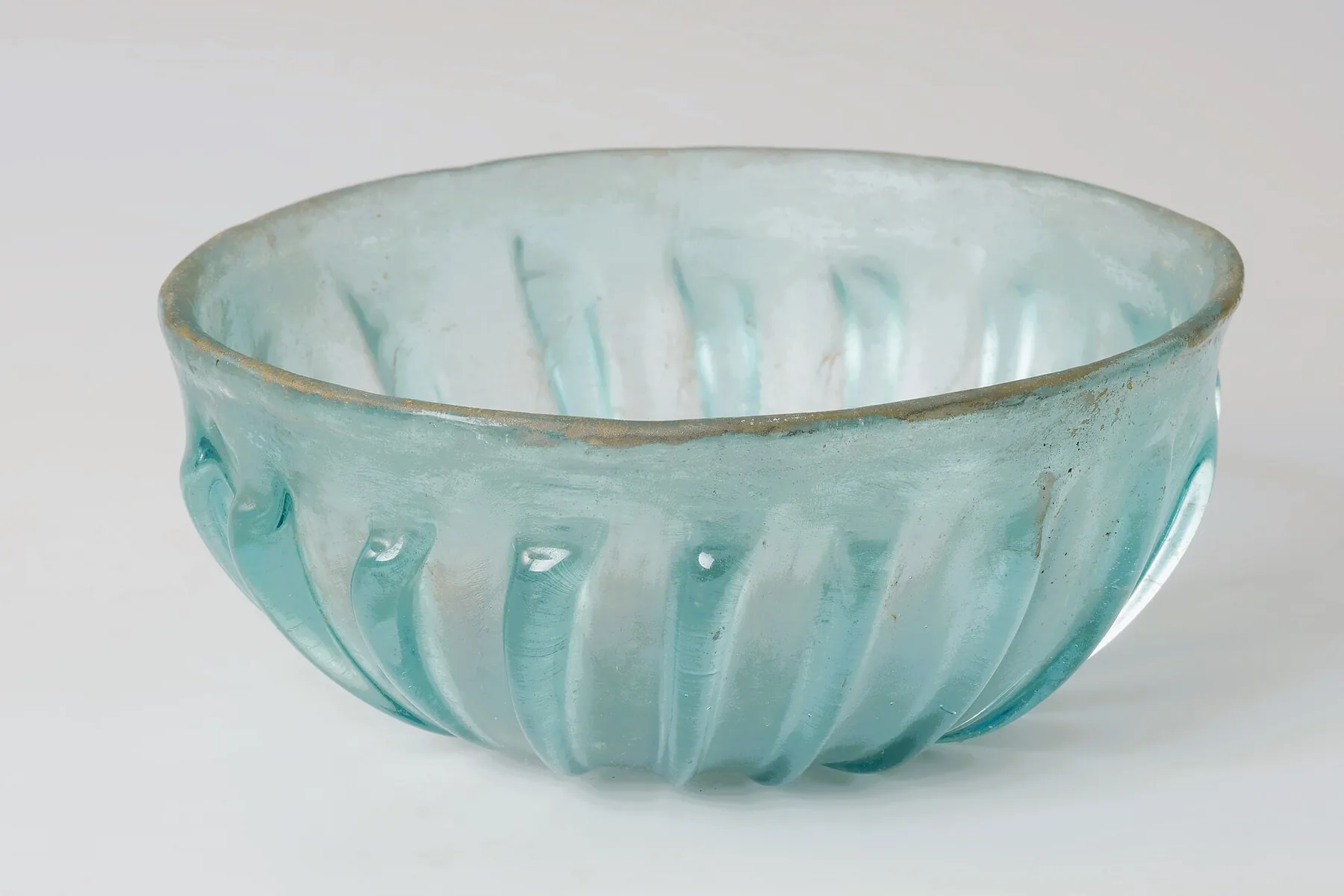
Before the session: preparation and centering
Start by cleaning the bowl with a soft cloth. This gesture symbolizes the purification of energies. Then let it resonate for 3 minutes to create a calm state.
“The sound of the Tibetan singing bowl acts as a bridge between daily life and yogic practice.”
During the session: soothing sounds and vibrations
Use the vibrations to mark transitions between postures. A sound lasting 5 to 7 seconds is enough. Combine it with mudras (hand positions) to strengthen the meditative effect.
| Yoga style | Recommended frequency | Effect |
|---|---|---|
| Hatha | Once per static posture | Grounding |
| Vinyasa | Between flows | Fluidity |
| Yin | At the beginning/end of a pose | Deep relaxation |
After the session: a gentle return to calm
Finish with 2 minutes of gentle sounds in Savasana. This helps integrate the benefits of the practice. For noisy spaces, place the bowl on a cushion to amplify the vibrations.
- Ideal kit: felt mallet, floor cushion, non-slip mat.
- Tip: vary the intensity of the strikes according to the desired effect.
Choosing the right Tibetan singing bowl for your yoga
Choosing a suitable Tibetan singing bowl directly influences the quality of your practice. Tone, materials, and size all play a key role in harmonizing body and mind.
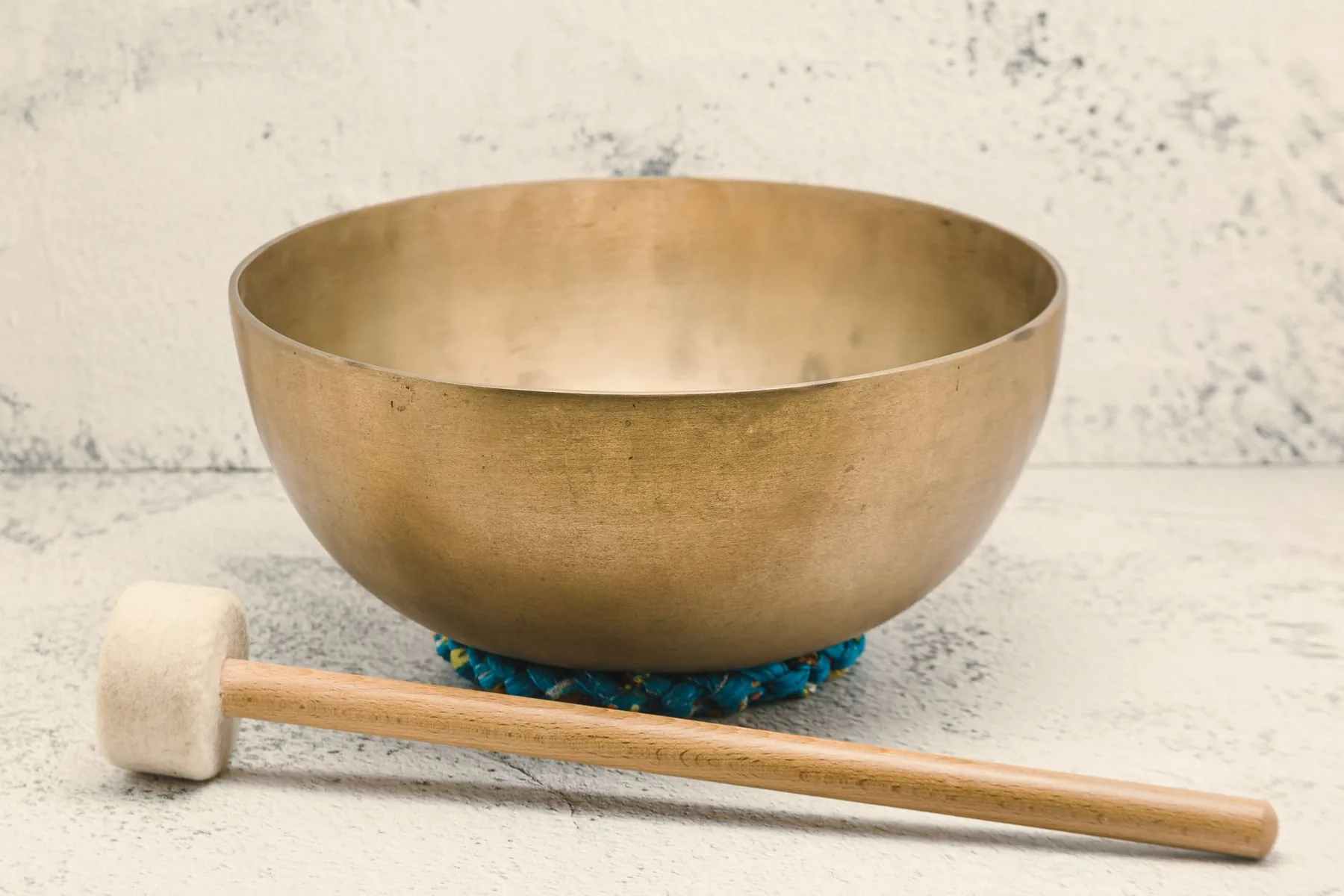
Criteria to consider: size, metal, and tone
A quality singing bowl should offer resonance lasting at least 45 seconds. Premium models, often priced between EUR 50 and EUR 300, usually provide this performance.
Three elements to check:
- Size: 10-15 cm for individual use, 20 cm and more for groups.
- Alloy: 7 metals (gold, silver, copper) for rich harmonics.
- Sound test: use software such as Audacity to analyze the frequency.
“An authentic bowl vibrates all the way to the fingertips, like an extension of oneself.”
Metal bowl vs crystal bowl: which should you choose?
Each material has unique properties. Here is a detailed comparison:
| Criterion | Metal bowl | Crystal bowl |
|---|---|---|
| Tone | Complex harmonics | Pure frequency (432 Hz) |
| Use | Active meditation | Deep relaxation |
| Price | EUR 50-EUR 200 | EUR 150-EUR 300 |
| Care | Monthly cleaning | Sunlight recharge |
Tip: to avoid counterfeits, choose certified suppliers such as those recommended by experts.
Advanced techniques for an immersive experience
Exploring advanced techniques with a Tibetan singing bowl opens unexpected dimensions of well-being. These methods, validated by the Paris Institute of Yoga Therapy, turn a simple session into a sensory journey.
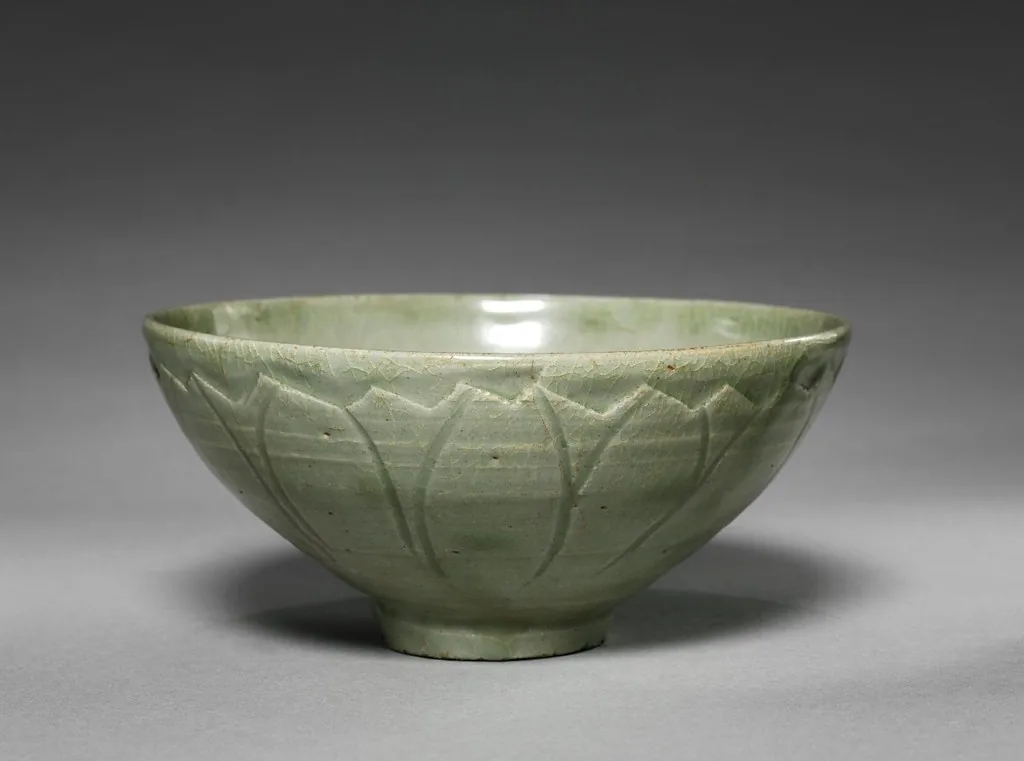
Yoga nidra enriched by vibrations
Yoga nidra reaches a new depth with a bowl positioned near the solar plexus. Its 432 Hz hum synchronizes brain waves in 3 phases:
- Conscious wakefulness (396 Hz)
- Muscle release (528 Hz)
- Post-session integration (852 Hz)
This sound massage releases tension accumulated over years. Certified practitioners use a specific sequence for trauma release.
Harmonizing the chakras through vibrations
Each energy center responds to a precise frequency. A certified protocol guides the use:
| Chakra | Frequency | Bowl position |
|---|---|---|
| Root | 396 Hz | Base of the spine |
| Heart | 639 Hz | Chest |
| Crown | 852 Hz | Above the head |
“Chakra harmonization with bowls acts like a vibrational scanner, revealing invisible blockages.”
Combine them with Tibetan mantras to strengthen the effect. This synergy is taught in accredited training programs in France.
Conclusion
The vibrational power of the Tibetan singing bowl transcends modern well-being practices. Scientifically studied, it reduces stress and improves concentration, making this instrument an ally for yoga.
Across the centuries, its use has evolved toward integrative methods. Workshops and masterclasses now explore its synergy with meditation.
Will you dare to try it? Deep relaxation awaits you. Discover our guided sessions and experience harmony between body and mind.
FAQ
What is a Tibetan singing bowl?
How does this instrument improve a yoga session?
Can it be used to harmonize the chakras?
What is the difference between a metal bowl and a crystal bowl?
How do you choose the right singing bowl?
Can yoga nidra and a Tibetan singing bowl be combined?
How should you care for your instrument?
Source Links
- https://instruments-du-monde.com/en-us/blogs/tibetan-singing-bowl
- https://kripalu.org/living-kripalu/how-make-singing-bowl-sing
- https://instruments-du-monde.com/en-us/blogs/tibetan-singing-bowl/how-to-use-a-tibetan-singing-bowl-techniques-instructions
- https://instruments-du-monde.com/en-us/blogs/tibetan-singing-bowl/everything-you-need-to-know-about-tibetan-singing-bowls
- https://instruments-du-monde.com/en-us/blogs/tibetan-singing-bowl/everything-you-need-to-know-about-tibetan-singing-bowls
- https://www.healthline.com/health/dangers-of-singing-bowls
- https://www.uclahealth.org/news/article/what-sound-therapy-and-could-it-benefit-your-health
- https://www.uclahealth.org/news/article/what-sound-therapy-and-could-it-benefit-your-health
- https://instruments-du-monde.com/en-us/blogs/tibetan-singing-bowl
- https://www.medicalnewstoday.com/articles/sound-baths
- https://yogainternational.com/article/view/making-yoga-accessible-how-to-begin/
- https://instruments-du-monde.com/en-us/blogs/tibetan-singing-bowl
- https://health.clevelandclinic.org/what-is-yoga-nidra
- https://instruments-du-monde.com/en-us/blogs/tibetan-singing-bowl/tibetan-singing-bowl-size
- https://health.clevelandclinic.org/sound-bath
- https://instruments-du-monde.com/en-us/blogs/tibetan-singing-bowl/tibetan-singing-bowl-5-7-9-12-metals
- https://www.uclahealth.org/news/article/what-sound-therapy-and-could-it-benefit-your-health
- https://www.healthline.com/health/dangers-of-singing-bowls
- https://kripalu.org/living-kripalu/how-make-singing-bowl-sing
- https://www.sleepfoundation.org/meditation-for-sleep/yoga-nidra
- https://pubmed.ncbi.nlm.nih.gov/40352083/